
Last updated November 4, 2026
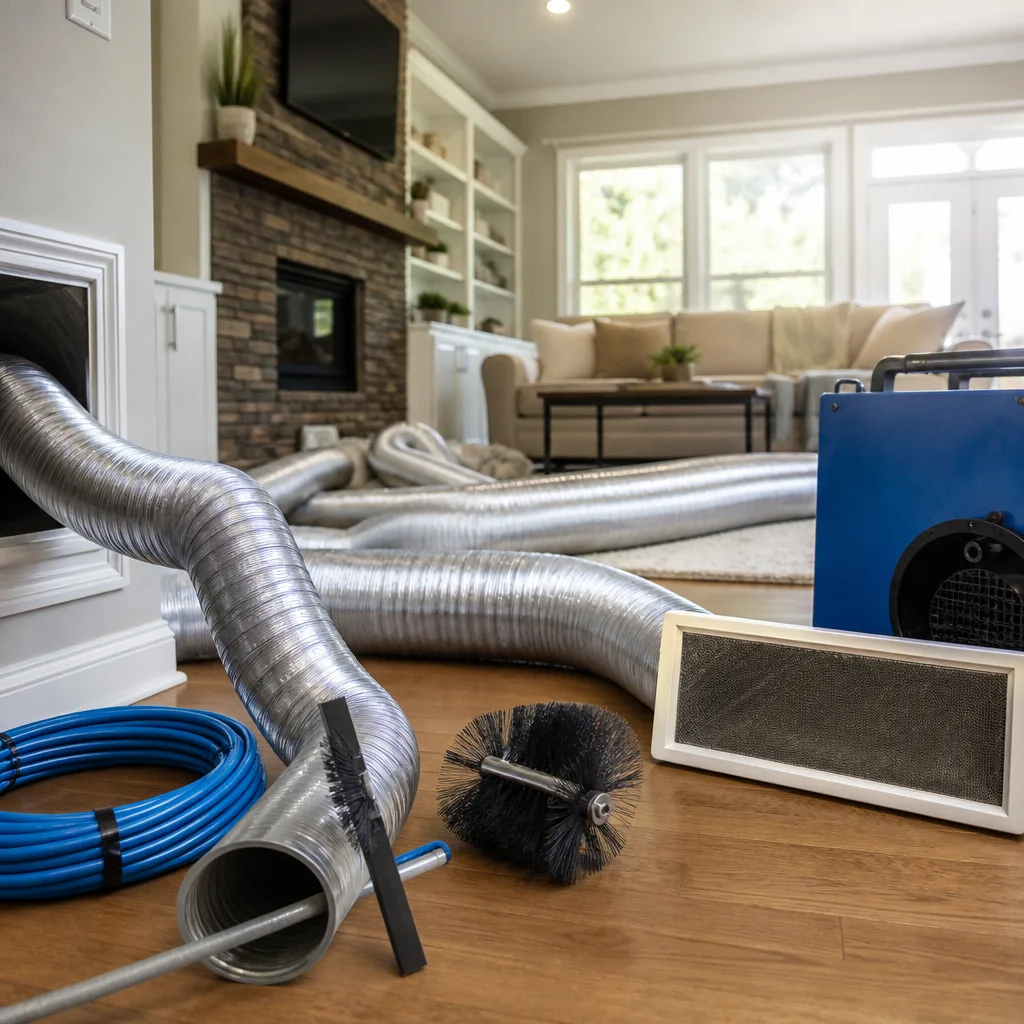 Whole-home duct cleaning
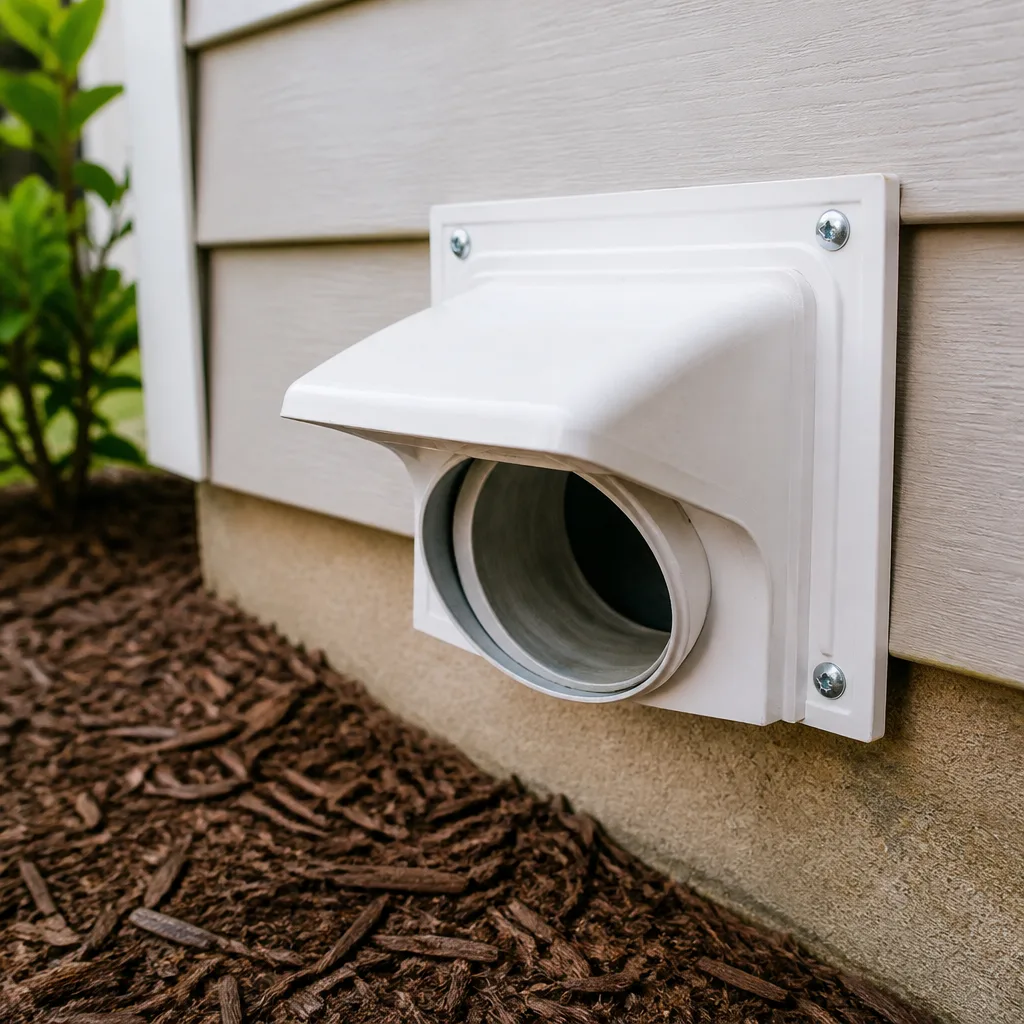 Dryer vent cleaning
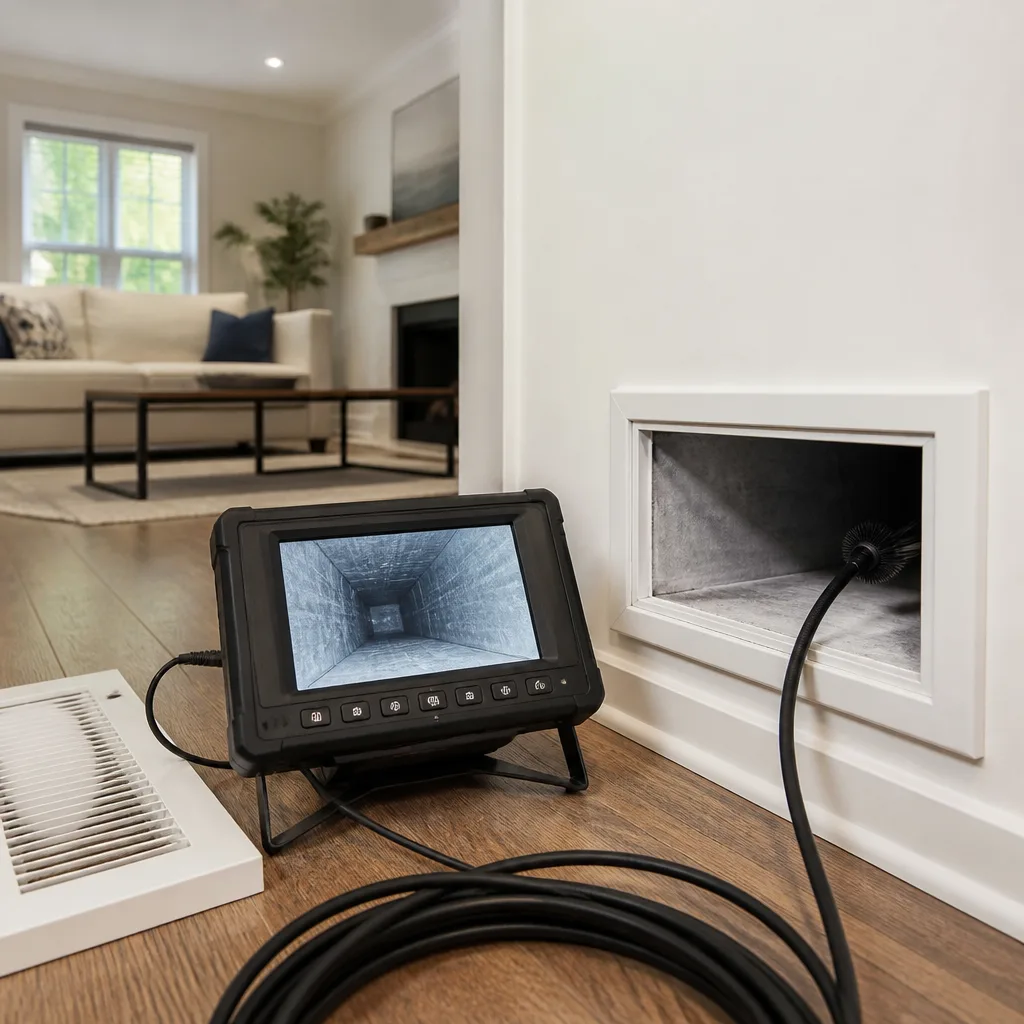 Camera inspection
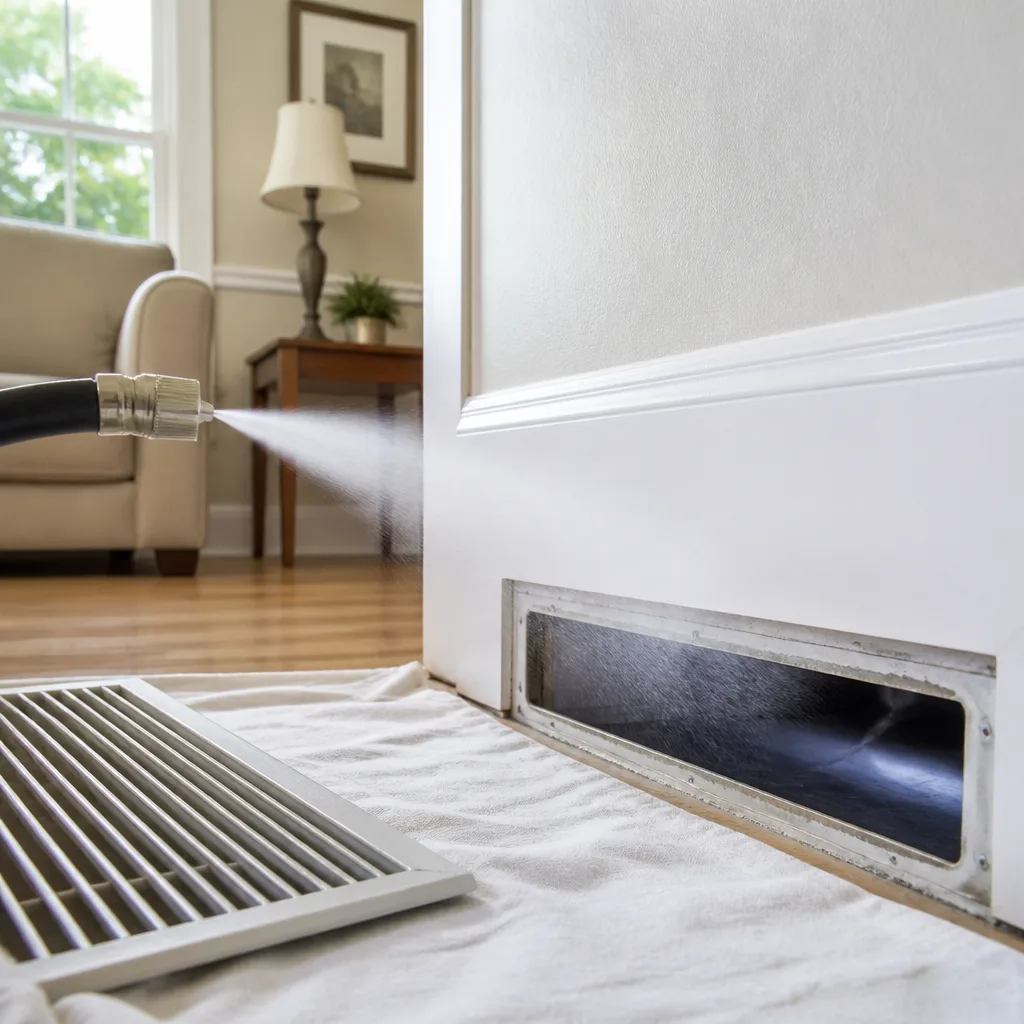 Sanitizing & deodorizing
Whole-system duct and dryer vent check with before-and-after photos - you see exactly what came out of your vents
That "$99 whole-house special" is a bait ad - the real number appears once they are in your hallway, or the "clean" is a shop-vac at the register. We photograph the inside of your ducts before and after instead.
How to Hire an Air Duct Cleaning Contractor in Upland: A Step-by-Step Guide
Most people don’t realize that a bad duct cleaning is worse than no cleaning at all. A contractor who shows up with a shop vac and a drill can knock loose years of settled dust, dander, and construction debris, send it swirling through your living room, and leave your HVAC system pulling harder than it did before. The technician leaves, the dust settles on your furniture, and you’re out a few hundred dollars with dirtier air than you started with. In Upland, where summer temperatures push air conditioners to run for months on end, the volume of air moving through your ducts means a botched job has real consequences. This guide will walk you through how to vet a contractor by their equipment and process, not their coupon. By the end, you’ll know exactly what questions to ask before anyone touches your system, how to read a quote line by line, and which red flags in the Inland Empire market should send you looking elsewhere.
Quick Answer
Hiring the right air duct cleaning contractor in Upland comes down to checking three things before you book: what source-removal equipment they use (a truck-mounted or portable negative-air machine, not a shop vac), what their written quote actually itemizes (access panels, register seal-off, and a post-clean camera inspection), and whether they have verifiable NADCA membership or equivalent training. A legitimate contractor will ask about your home’s square footage and duct count before quoting, and will give you a flat price per system before work begins. If a company quotes a suspiciously round number like $99 without knowing anything about your house, treat that as a warning sign, not a deal. Duct Cleaning Upland provides free estimates with the equipment list in writing before any work starts.
Styles & brands we work with
- Whole-home duct cleaning
- Dryer vent cleaning
- Camera inspection
- Sanitizing & deodorizing
Table of Contents
- The Five Equipment Questions to Ask Before Booking
- How to Read a Quote: Line Items That Signal Professional Work
- Why NADCA Membership Matters (and Why It’s a Floor, Not a Guarantee)
- Red Flags Specific to the Upland and Inland Empire Market
- How to Structure the Job Confirmation Before Anyone Touches Your System
- What to Check After the Job Is Done
- Why Dryer Vent Cleaning Is a Separate Vetting Decision
- When Cleaning Isn’t Enough: The Case for Air Duct Repair
The Five Equipment Questions to Ask Before Booking
Here’s the uncomfortable truth about the duct cleaning industry in Upland and across Southern California: there is no law requiring a contractor to own professional equipment. A person with a business license, a truck, and a consumer-grade vacuum can legally market themselves as a duct cleaner. That’s why the equipment conversation is the single most important filter in your hiring process. NADCA, the industry’s main trade association, estimates that 72% of duct cleaning complaints involve contractors who performed no actual source removal. They cleaned the registers, ran a hose near the opening, and called it done. Asking the right questions on the phone takes five minutes and eliminates most of the problem. Here are the five questions that matter, and what good answers sound like.
1. What negative-air machine do you use?
A proper duct cleaning creates negative pressure inside the duct system. The machine pulls air through the ducts while agitation tools knock debris loose, so the loosened material gets sucked into the machine instead of pushed into your home. We use Abatement Technologies equipment for exactly this reason; it’s the standard for containment and negative-air pressure in serious indoor air quality work. If the contractor can’t name their negative-air machine or says they use a vacuum attached to the register, that’s a red flag. The vacuum-only approach creates localized suction at one point but doesn’t pull air through the whole system.
2. What CFM rating does your negative-air machine produce?
CFM stands for cubic feet per minute, and it measures how much air the machine actually moves. The number matters because it determines whether the machine can create real negative pressure across an entire duct run, not just at the register. Residential duct systems in Upland homes typically range from 1,000 to 2,500 CFM depending on the home’s size and the number of returns. A professional machine should be rated to move at least 1,500 to 2,000 CFM. Anything that sounds like a shop vac number (under 500 CFM) is a consumer tool, not a duct cleaning system. If the contractor hesitates or says they’ve never been asked that, note the hesitation.
3. What rotary brush system do you use?
Air alone doesn’t remove the film that builds up on duct walls. A rotating brush physically scrubs the surface while the negative-air machine pulls the loosened material out. We run Rotobrush and Nikro systems, purpose-built machines used in commercial and remediation settings. A contractor who only pushes a hose through the ducts is doing an air flush, not a cleaning. The distinction matters because the film left behind by years of air movement is often sticky, holding on to dust and allergens that air alone won’t dislodge. Ask for the brand name. If they can’t give you one, they’re probably using a generic attachment on a portable vacuum.
4. Do you use a camera before and after?
Camera inspection is the difference between trusting a verbal claim and verifying the work. Before the job starts, a camera run through the duct system establishes what’s actually in there: dust, pet hair, construction debris, or something worse. After the job, the same camera run should show clean surfaces. This is also how you document the condition of the system if a problem is discovered mid-job, which matters for your own records. A contractor who doesn’t offer camera inspection is asking you to take their word for it. In our experience, that’s not a reasonable ask for a service you can’t see with your own eyes.
5. Is there HEPA filtration on the exhaust?
The exhaust side of the negative-air machine is where the collected debris exits. If that exhaust isn’t filtered to HEPA standard, you’re just moving dust from inside your ducts to the air inside your home. A proper setup routes the exhaust outside through a HEPA filter, or uses a HEPA-filtered machine indoors in rare cases where exterior venting isn’t possible. This single detail separates remediation-level cleaning from cosmetic cleaning. When dust goes into a HEPA filter, it stays there. When it goes through a standard filter or no filter at all, it ends up on your kitchen counters.
Asking these five questions will eliminate most low-effort operators in the Upland market before they ever set foot on your property. If a contractor answers all five clearly and specifically, you’re talking to someone who understands source removal. If they get defensive, change the subject to price, or say “don’t worry, we’ve been doing this for years,” that’s your signal to keep looking.
How to Read a Quote: Line Items That Signal Professional Work
A duct cleaning quote tells you more about the contractor than their website does. The way a quote is structured reveals whether they’re planning a real job or a quick pass through your registers. Upland homeowners who learn to read these line items stop falling for the $99 trap, because a real quote looks nothing like a coupon ad. Here’s what to look for, line by line.
What a professional quote includes
- Access panel cutting or removal. Professional duct cleaning requires access points beyond your registers. A contractor may need to cut an access panel into the main trunk line to get tools and camera to the right place. The quote should mention this work and include sealing the panel afterward.
- Register seal-off protocol. During the job, the contractor should seal off the registers they’re not actively working on. This maintains negative pressure inside the system. If the quote doesn’t mention this, ask how they plan to keep dislodged debris from escaping into your home.
- Supply and return side cleaning. Both sides of the system need attention. A quote that only mentions supply registers is a half-job bid. The return side is where most of the air enters the system, and it collects dust at a higher rate.
- Post-clean camera verification. The quote should include a camera inspection after the work is done, not just before. This is how you verify the job actually happened the way they said it would.
- Equipment list. The specific machines that will be used, by brand name, should appear on the written estimate. If the equipment isn’t listed, you have no way to hold anyone accountable to the conversation you had on the phone.
- Flat price per system, not per vent. Professional duct cleaning is quoted as a complete system, typically broken out by supply side, return side, and sometimes by zone if you have multiple HVAC systems. Per-vent pricing is a coupon operator’s tactic designed to make the up-front number look small while the actual job balloons once the technician starts “finding” additional vents.
What a suspicious quote looks like
A suspiciously round number like $99 or $149 for a whole-house duct cleaning is almost always a bait price. In the Inland Empire, legitimate duct cleaning for an average single-family home typically runs in the range of three to five hundred dollars depending on the number of systems, accessibility, and the condition of the ducts. A quote that promises a full cleaning for less than the cost of a tank of gas is not a quote; it’s a door-opening tactic. The technician will arrive, “inspect” the system, and explain that the deal price didn’t cover the actual work needed. By then, there’s a truck in your driveway and pressure to proceed.
Another tell: a quote given over the phone without asking your home’s square footage, number of systems, or approximate duct count. Duct cleaning work scales with the size and complexity of the system. A contractor who quotes without that information is quoting a sales pitch, not a job. air duct cleaning estimates should be free, itemized, and specific to your home. If a contractor can’t produce a line-item quote before work begins, that’s not a contractor you want touching your system.
Why NADCA Membership Matters (and Why It’s a Floor, Not a Guarantee)
NADCA, the National Air Duct Cleaners Association, is the closest thing this industry has to a professional standard. Membership requires contractors to commit to source-removal methods and ongoing education, and the organization maintains a technical standard that defines how proper cleaning should be performed. A NADCA member has signed on to a written standard of practice, which is more than the law requires. But here’s the important caveat: NADCA membership is a floor, not a guarantee. Membership proves that a contractor knows what the standard is. It doesn’t prove they follow it on every job.
Here’s what NADCA actually requires members to demonstrate: a commitment to source-removal cleaning (removing the material from the ducts, not just knocking it loose), adherence to the ACR standard for assessment, cleaning, and restoration of HVAC systems, and continuing education. The organization has certified technicians through an exam-based certification process, which means a credentialed technician has demonstrated baseline knowledge of the equipment and methods involved. That’s a meaningful filter, but it’s one filter among several. A NADCA badge on a website should be verified, not assumed. You can check NADCA’s public directory to confirm a company’s membership is current. And even with verification, you should still ask the five equipment questions. A NADCA member who can’t answer them clearly is a red flag about how seriously they take the standard they signed.
In the Upland market, where low-cost operators route calls through national call centers, NADCA membership is a useful sorting tool. It tells you the contractor has enough of a professional footprint to invest in credentials. But it’s the equipment conversation and the written quote that tell you whether they’ll actually do the job right on your specific system. Use NADCA as a baseline requirement, not a deciding factor.
Red Flags Specific to the Upland and Inland Empire Market
Every market has its local problems. Upland sits in a dense Inland Empire service area where national coupon companies run aggressive digital ads targeting homeowners with low teaser prices. Some of these operations don’t have a physical presence in the area at all; the phone number routes to a call center, and the “technician” who shows up is a subcontracted handyman with a rented van. Here are the red flags we see most often in this market, and what they mean.
Out-of-area phone numbers routing to call centers
If the number on the ad is a toll-free or out-of-state area code and the person answering sounds like they’re reading from a script, you’re probably talking to a lead-generation operation, not a local contractor. These call centers exist to book appointments and collect a commission. The person who actually shows up at your door may have no connection to the company whose ad you clicked. Ask directly: “Are you the company that will be doing the work, or are you booking for someone else?” Local contractors answer their own calls or have staff who are familiar with the local service area.
No physical address you can verify
A legitimate contractor has a physical location, a license, and a local presence. If the website lists only a PO box or no address at all, that’s a problem. The State of California requires contractors performing work over $500 to hold a contractor’s license. You can verify that license through the Contractors State License Board’s online lookup, and you should, before anyone touches your ductwork. A contractor who can’t or won’t provide a license number is not a contractor; they’re a person with a vacuum.
Quotes without any home information
This deserves repeating because it’s the most common trap in the Upland market. A quote given over the phone without asking your home’s square footage, number of HVAC systems, or duct count is a sales pitch, not an estimate. Duct cleaning for a 1,200-square-foot condo with one system is a different job than a 3,400-square-foot two-story with two systems and a return in every room. If the price comes before the questions, the price is probably fake.
Same-day “deals” that expire while you’re on the phone
Pressure tactics are a reliable tell. Legitimate contractors quote a price that stands. A coupon operator invents urgency: “this rate is only good today” or “I can hold this price for the next two hours.” Real duct cleaning work is scheduled days out, not sprung on you with a clock ticking. If a contractor is pushing you to book right now, that’s because they don’t want you to do the research you’re doing right now.
Insistence on a deposit before the job
Duct cleaning is a same-day job. There’s no material cost that justifies a large deposit. Some contractors ask for a small booking fee to hold a slot, which is common practice, but a demand for significant money up front is not standard. If a contractor wants hundreds of dollars before they’ve set foot in your home, that money is at risk.
Vague answers about what happens if mold is found
If a contractor says “we’ll handle it” without explaining how, what it costs, or what the protocol is, that’s not an answer. We’ll cover mold protocol in the next section, but the short version is: a professional has a clear, written process for what happens when mold or microbial growth is discovered during cleaning. A vague answer means they either don’t have a process or don’t plan to tell you about it.
These red flags are not hypothetical. They’re the patterns that keep showing up in the Upland and Inland Empire market, driven by the same low-cost operators who rotate through area codes and brand names faster than regulators can keep up. Fifteen minutes of verification on the phone saves you from a bad job and a potentially worse system.
How to Structure the Job Confirmation Before Anyone Touches Your System
Once you’ve vetted the contractor and reviewed the quote, the final step before scheduling is to get the job confirmation in writing. This is where the specification of what will be done, with what equipment, and under what conditions gets locked down. A verbal agreement means nothing if something goes wrong. Here’s how to structure it.
1. Get the scope in writing
The written confirmation should list every part of the system that will be cleaned: supply side, return side, and any branch runs. If you have multiple HVAC systems, both should be listed. If the quote included access panel cutting, the confirmation should say how many panels and where. If the scope changes mid-job due to a discovery (like a disconnected duct or mold), the contractor should stop and get your approval before doing additional work. That expectation should be in writing too.
2. List the equipment by name
The confirmation should name the specific machines that will be used on your job. If you were told Abatement Technologies negative-air equipment and a Rotobrush system will be used, that’s what should appear on the paper. This gives you recourse if something different shows up on the day. If the equipment list changes, you have the right to reschedule.
3. Agree on the price and payment terms
The written confirmation should state the flat price per system, the total, and when payment is due. Legitimate contractors collect payment upon completion of the work, not before. If a contractor asks for full payment up front, that’s a red flag we covered earlier. The written price should match the quote. If it doesn’t, ask why before the technician starts.
4. Define the mold protocol
If mold or microbial growth is discovered during cleaning, what happens next should be defined in the confirmation. A professional contractor will stop work, document the finding with the camera, and explain your options. Mold remediation is a different scope than duct cleaning, and it’s not something a cleaning contractor should “just take care of” without a defined process. The confirmation should state that additional work requires your approval and a separate written estimate. This protects you from a surprise invoice and protects the contractor from scope creep disputes.
5. Confirm the post-clean verification
The confirmation should include the post-clean camera inspection. This is your verification that the work happened, and it’s also the contractor’s record. If something doesn’t look right on the camera, that’s the time to raise it, not after the technician has packed up. Make sure the camera run is part of the job and that you’ll be shown the results before the technician leaves.
None of this is adversarial. A professional contractor welcomes a clear written scope because it protects both sides. The contractors who resist written confirmations are the ones who benefit from ambiguity. In Upland, where the summer cooling season runs long and systems work hard, a clear scope is the difference between a job done right and a job you’ll be redoing next year.
What to Check After the Job Is Done
The job isn’t over when the technician packs up. A professional duct cleaning includes a verification step, and you should be part of it. Here’s what to look for before you sign off on the work.
The camera run
The post-clean camera inspection should show the same surfaces you saw in the before footage, now clean. If the before footage showed visible dust and debris and the after footage still shows buildup in the same spots, that’s a conversation. A legitimate contractor will show you both runs side by side and walk you through what changed. If they rush through this or skip it entirely, that’s a problem.
Access panel sealing
If panels were cut, they should be sealed and air-tight before the technician leaves. A poorly sealed access panel is an air leak, which means your system is pulling unconditioned air from the attic or crawl space. The seal should be visible, and the technician should show it to you. If you can feel air moving around a panel, it’s not sealed.
Registers and returns
Every register and return should be reattached and secure. The technician should have checked airflow at each register before packing up. If a register is loose or a return cover is missing a screw, that’s a quick fix that should happen on the spot, not something you deal with later.
Overall work area
The area around the furnace or air handler should be clean. A professional job leaves the equipment and surrounding area as clean as it was found. Duct cleaning creates dust; that dust should end up in the negative-air machine’s collection bag or filter, not on your garage floor. A little cleanup is expected, but a mess is not.
If the job passes all of these checks, you’re done. The system should pull more freely, the air should smell neutral, and you should be able to feel the difference in airflow. The work should be documented with the before and after footage, which you can keep for your records. If you ever sell the home, that documentation is a selling point.
Why Dryer Vent Cleaning Is a Separate Vetting Decision
Dryer vents are the most overlooked fire hazard in the average Upland home, and they’re also the easiest service to fake. A contractor who cleans your air ducts may or may not be qualified to clean your dryer vent properly. The two services use different tools and different inspection methods, and they should be evaluated separately. dryer vent cleaning is a dedicated trade, not an upsell afterthought.
Lint accumulates in the vent line over time, and because lint is highly flammable and very dry, it’s the leading cause of residential dryer fires. The vent line runs from the back of the dryer through the wall or floor and terminates outside. In single-story Upland homes, that run may be short and easy to access. In two-story homes with the laundry on an upper floor, the run may be long, vertical, and difficult to reach. A proper drying vent cleaning involves running a rotary brush through the full length of the vent, from the dryer connection to the exterior termination, then verifying airflow at the exterior vent.
Ask the same equipment questions for dryer vents: what brush system do they use, how do they verify the full length was cleaned, and whether they inspect the exterior termination. A contractor who promises to clean the dryer vent by running a vacuum at the dryer connection is doing a fraction of the job. The full length needs to be mechanically cleaned, and the vent needs to terminate properly outside, with a working backdraft damper that keeps outdoor air and pests out.
If you’re hiring for both air duct cleaning and dryer vent cleaning, treat them as two separate scopes with two separate line items and two separate verification steps. The same contractor may do both well, but don’t assume one qualification covers the other.
When Cleaning Isn’t Enough: The Case for Air Duct Repair
Sometimes the problem in your ducts isn’t dirt; it’s gaps. A duct system that leaks air pulls unconditioned air from the attic or crawl space into your home and pushes conditioned air out into places where it does no good. You can see the symptoms: rooms that never reach the set temperature, higher utility bills than your neighbors with similar homes, and dust that reappears a few weeks after a cleaning. If the ducts are leaking, cleaning alone won’t fix the problem.
Air duct repair addresses the structural causes of contamination and energy loss. Gaps in joints are sealed. Disconnected runs are reconnected. Holes from remodeling work or pest intrusion are patched. This is the job behind the job that many duct cleaning companies simply skip because it requires different tools and a different mindset. A company that only cleans will see the gap, note it, and move on. A company that repairs will stop, point it out on camera, and give you a written quote for the fix.
We offer air duct repair as a standalone service because we see the pattern often: a homeowner has their ducts cleaned, the air improves for a few weeks, and then the dust comes back. The cleaning was fine. The problem is that outside air, with its load of dust and pollen, is being pulled into the system through gaps the cleaner didn’t address. The fix is structural, not cosmetic.
If your system has visible gaps, disconnected runs, or rooms that can’t hold temperature, ask your contractor about repair during the cleaning quote. A professional will be able to tell you whether your system needs sealing, and what that work would cost as a separate line item. The goal is clean ducts and a plan to keep them clean, which is why the same company should handle both the cleaning and the structural fixes. Single-company accountability beats a handoff to a subcontractor for a different scope.
Common Mistakes to Avoid
- Hiring on price alone. The $99 coupon is a door opener, not a real quote. Legitimate duct cleaning in Upland costs more than a tank of gas. If the price sounds too good, it’s because the job they’re planning is too small to matter. Hire on equipment and process, not on the number in the ad.
- Skipping the equipment conversation. The five equipment questions from the first section take five minutes on the phone and eliminate most bad operators. If you don’t ask, you’re trusting the contractor’s marketing over their equipment. Ask about negative-air, CFM rating, rotary brush system, camera inspection, and HEPA exhaust.
- Accepting a quote without home information. A contractor who quotes without asking your square footage or duct count is not quoting your job. They’re quoting a sales script. Hang up and call someone who asks questions first.
- Signing up without a written scope. Verbal agreements evaporate when something goes wrong. Get the scope, equipment list, price, and mold protocol in writing before the work starts. If they won’t put it in writing, they’re planning to change something later.
- Assuming dryer vent cleaning is included. Dryer vents are a separate service with separate tools and a separate safety purpose. Don’t assume the air duct cleaner is also equipped to do the dryer vent. Ask specifically.
- Ignoring the repair conversation. Clean ducts that leak air are a half-fix. If your rooms can’t hold temperature or dust reappears quickly, the problem may be structural. Ask about repair during the quote process, not after the cleaning fails to solve the problem.
- Not checking credentials. Verify the contractor’s license with the CSLB and check NADCA membership if they claim it. These checks take minutes and confirm you’re hiring a real company, not a call center with a rented van.
See the difference
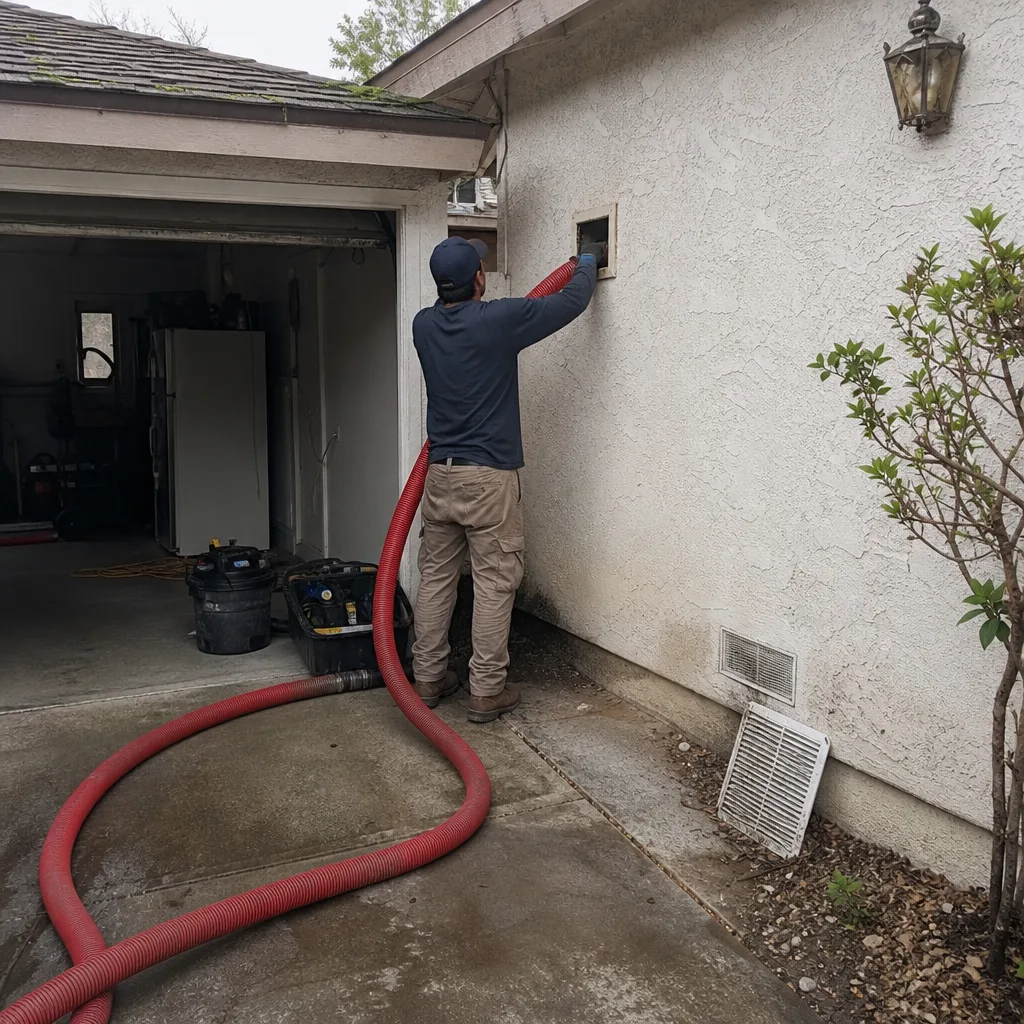 Before
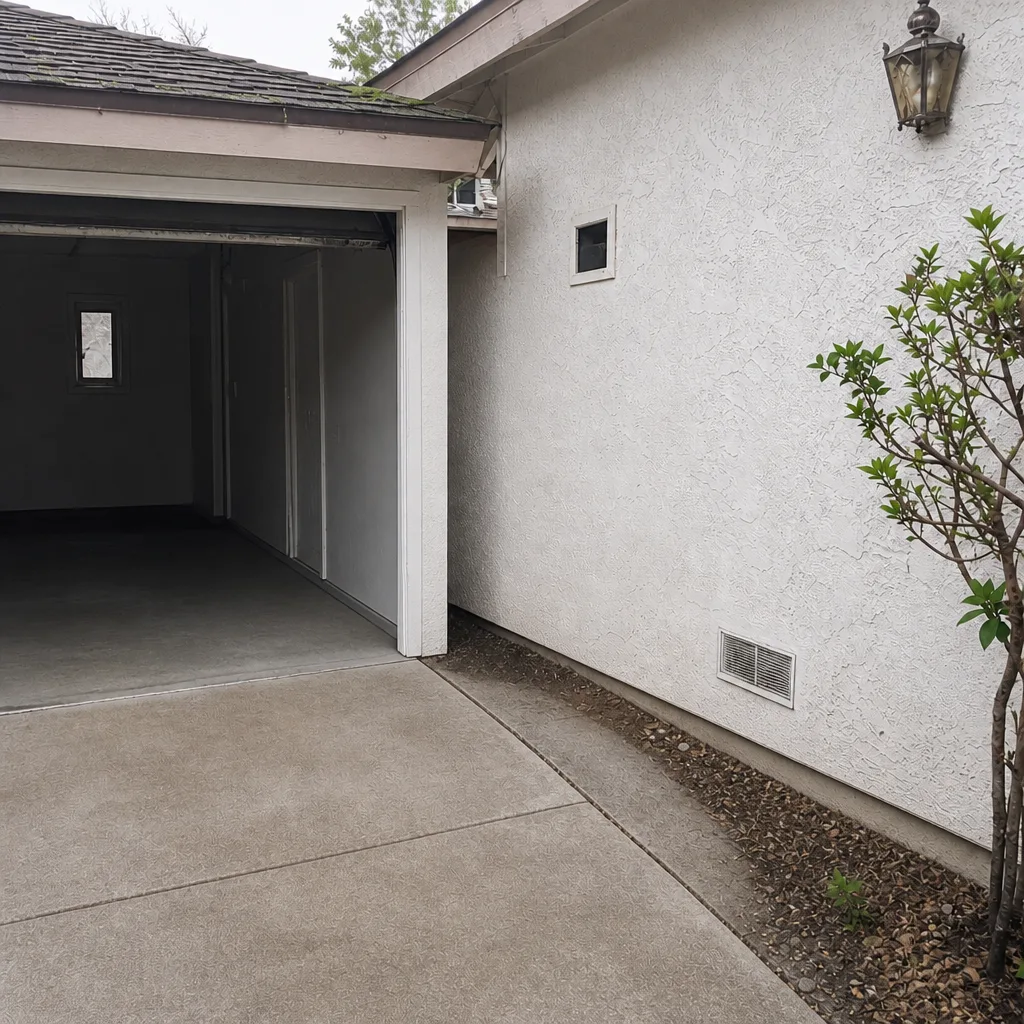 After
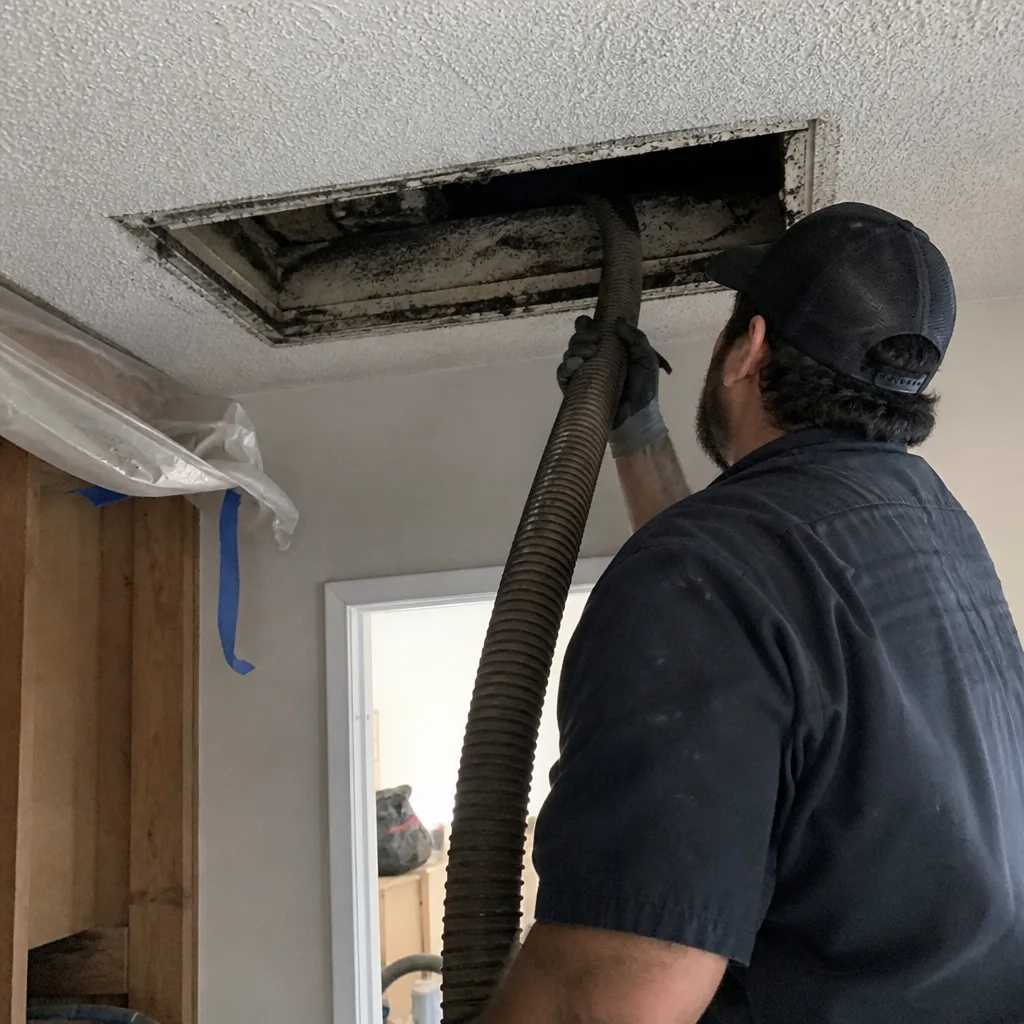 Before
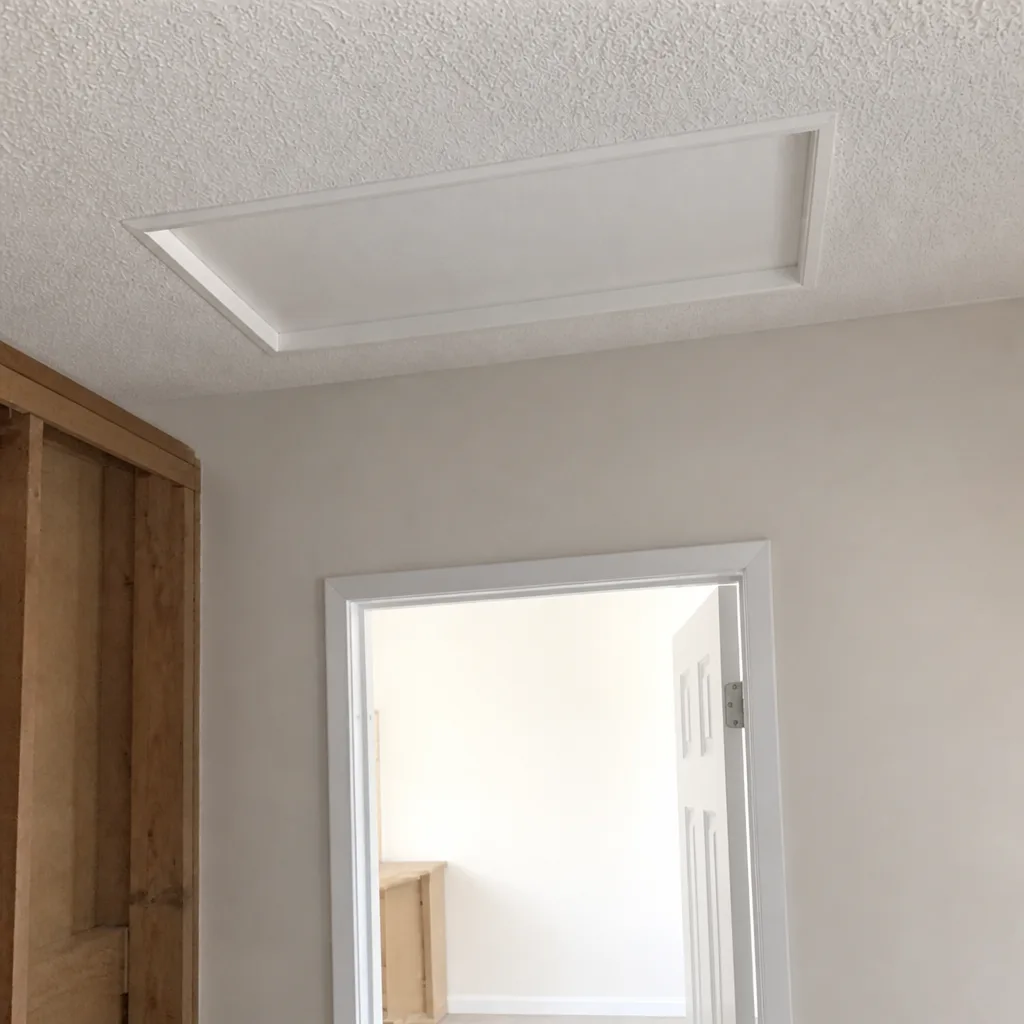 After
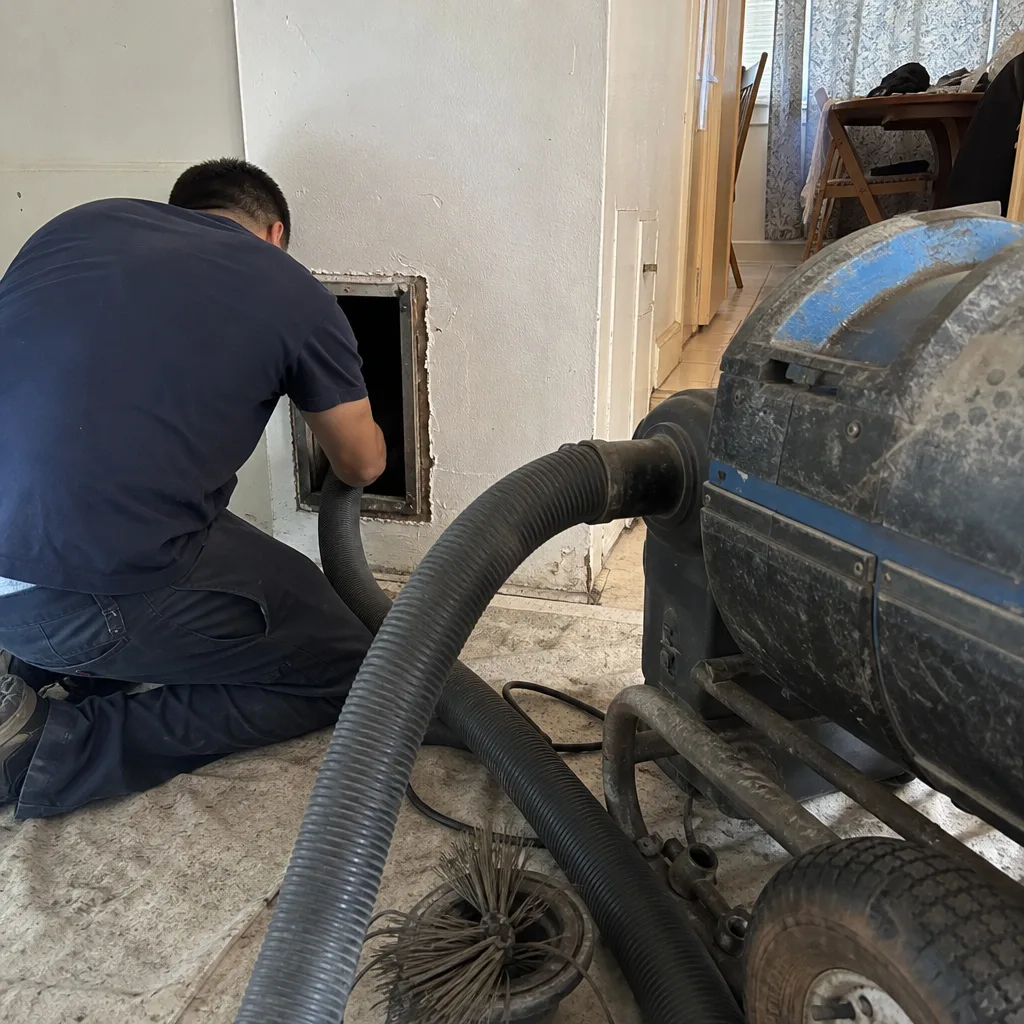 Before
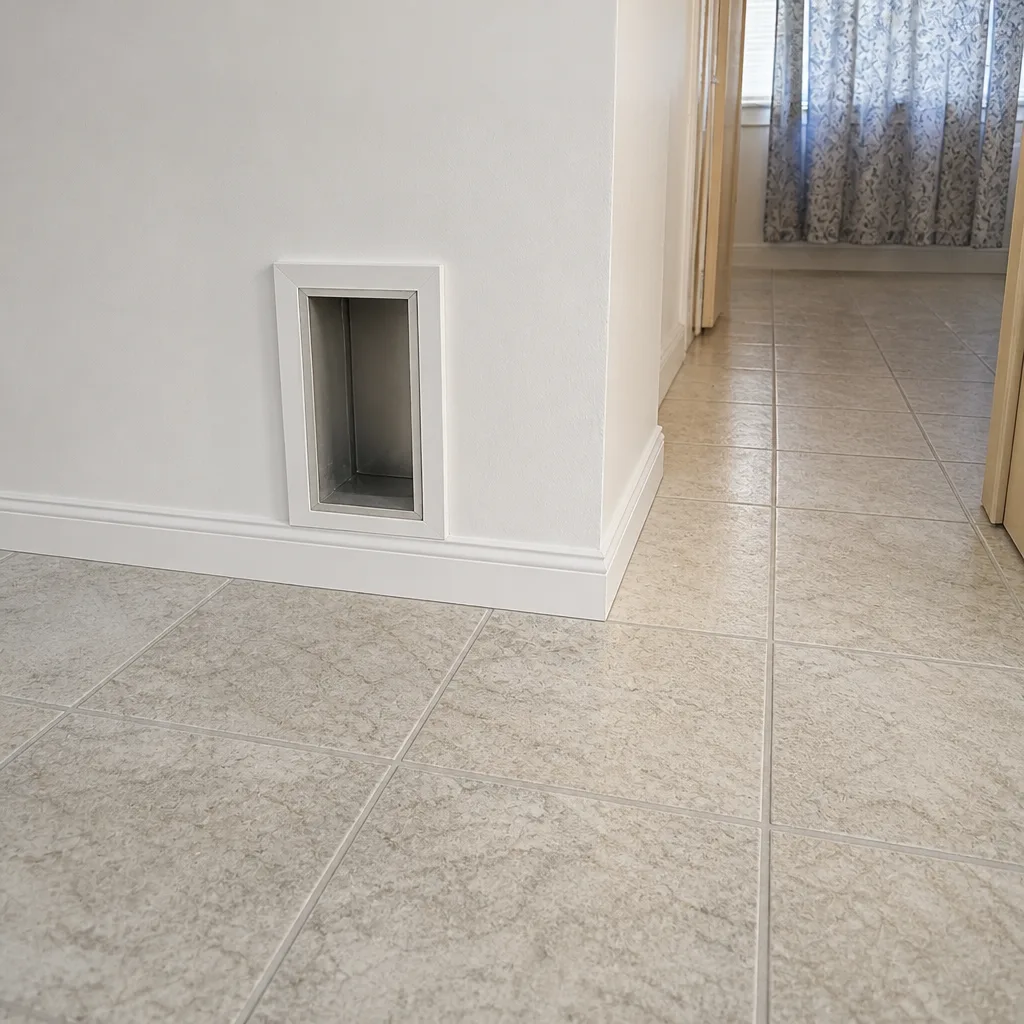 After
When to Call a Professional
Air duct cleaning isn’t a DIY project. The equipment alone puts it out of reach for most homeowners: a negative-air machine, rotary brush systems from Rotobrush or Nikro, and camera inspection tools cost tens of thousands of dollars. A shop vac attached to a register doesn’t clean ducts; it just moves dust around. Beyond the equipment, there’s the safety consideration: ductwork runs through attics and crawl spaces in many Upland homes, and those spaces come with their own hazards including insulation, wiring, and heat. A professional has the training to work in those conditions safely.
The right time to call is when you notice the signs: visible dust on registers, musty odors when the system runs, unexplained dust buildup on furniture, or rooms that can’t hold temperature. If you’ve never had your ducts cleaned and the home is more than a few years old, an inspection is a reasonable step. Duct Cleaning Upland offers free estimates in Upland. Call (855) 382-4830 and we’ll walk you through the equipment conversation, the quote, and what to expect before anyone touches your system.
Frequently Asked Questions
For most single-family homes in Upland, a full source-removal duct cleaning typically runs between $300 and $500 per system, depending on the home’s size, the number of systems, and the condition of the ducts. This is a flat price per system, not per vent. The written estimate sets the final price before work begins. If a quote comes in significantly lower, check the line items; it’s probably not a real source-removal job. Call (855) 382-4830 for an exact quote. Estimates are free.
You should see before-and-after camera footage of the inside of your ducts. A professional contractor runs a camera through the system before cleaning, then runs the same camera through after the job so you can compare side by side. If a contractor can’t or won’t show you the after footage, you have no way to verify the work happened. This should be part of the written scope before the job starts.
Cheap quotes usually come from contractors who aren’t doing source-removal cleaning. They may be agitating dust at the registers with a vacuum, which doesn’t remove the buildup from the full length of the ducts. They may be quoting a teaser price that will balloon once the technician is in your home. Or they may be unlicensed operators with no equipment investment to cover. Legitimate duct cleaning requires a five-figure equipment investment and trained technicians, and the pricing reflects that.
A professional contractor follows a defined protocol: stop work, document the finding with the camera, explain what was found, and provide a separate written estimate for any remediation work. Mold remediation is a different scope than cleaning, and it should never be done as an unplanned add-on without your separate approval. Get this protocol in the written confirmation before the job starts so there are no surprises.
Most homes benefit from a source-removal cleaning every three to five years, but the real answer depends on your home and how you live. Homes with pets, recent remodeling, or residents with allergies may need more frequent attention. Homes with high-efficiency filtration and regular filter changes may go longer. The best approach is to have the system inspected with a camera every few years and clean when the buildup justifies it, not on a fixed marketing schedule.
Source-removal duct cleaning removes the accumulated dust, pollen, dander, and debris that collects inside the duct system over time, which can reduce the volume of allergens circulating through your home when the system runs. For Upland homeowners dealing with allergy symptoms, it’s a meaningful step, but it works best as part of a broader approach that includes good filtration. Whole-home filtration systems like Aprilaire or Honeywell units installed at the air handler can capture particles before they enter the living space. The cleaning removes what’s already settled; the filtration keeps new material from settling again.
The Bottom Line
Hiring a duct cleaning contractor in Upland is a two-part decision: the vetting and the job. The vetting starts with the five equipment questions, moves to a written quote that itemizes the scope, and ends with a written confirmation that locks down price, equipment, and mold protocol. The job itself should be verified with before-and-after camera footage and a walkthrough before the technician packs up. A legitimate contractor makes this process feel straightforward because it is. A bad contractor makes it feel complicated because ambiguity is their business model. If you’ve read this far, you know more than most of the contractors advertising in the Inland Empire. Use that knowledge. Commercial-grade equipment in residential homes is the standard, not the exception. If a contractor can’t answer the questions, keep looking. If they can, you’ve found someone worth hiring.
Written by the team at Duct Cleaning Upland, serving Upland since 2012.