
Last updated November 4, 2026
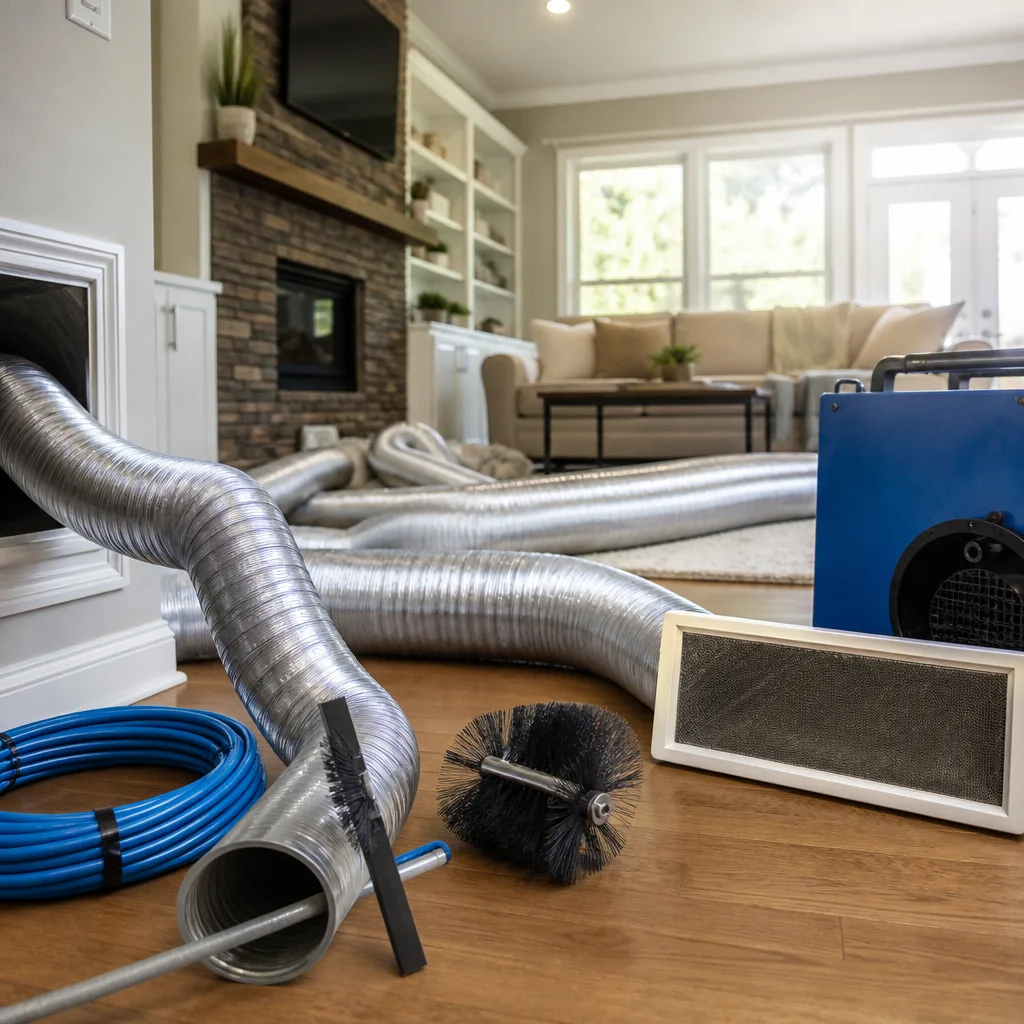 Whole-home duct cleaning
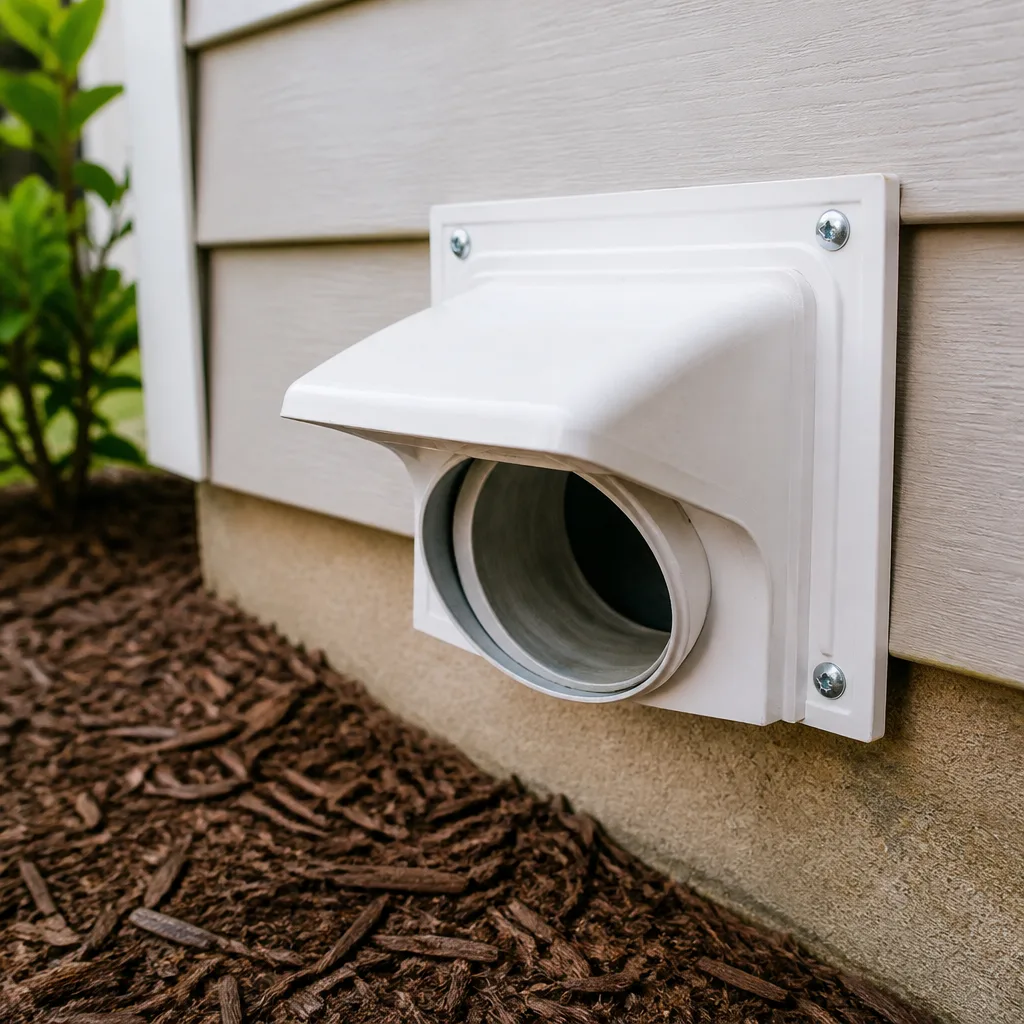 Dryer vent cleaning
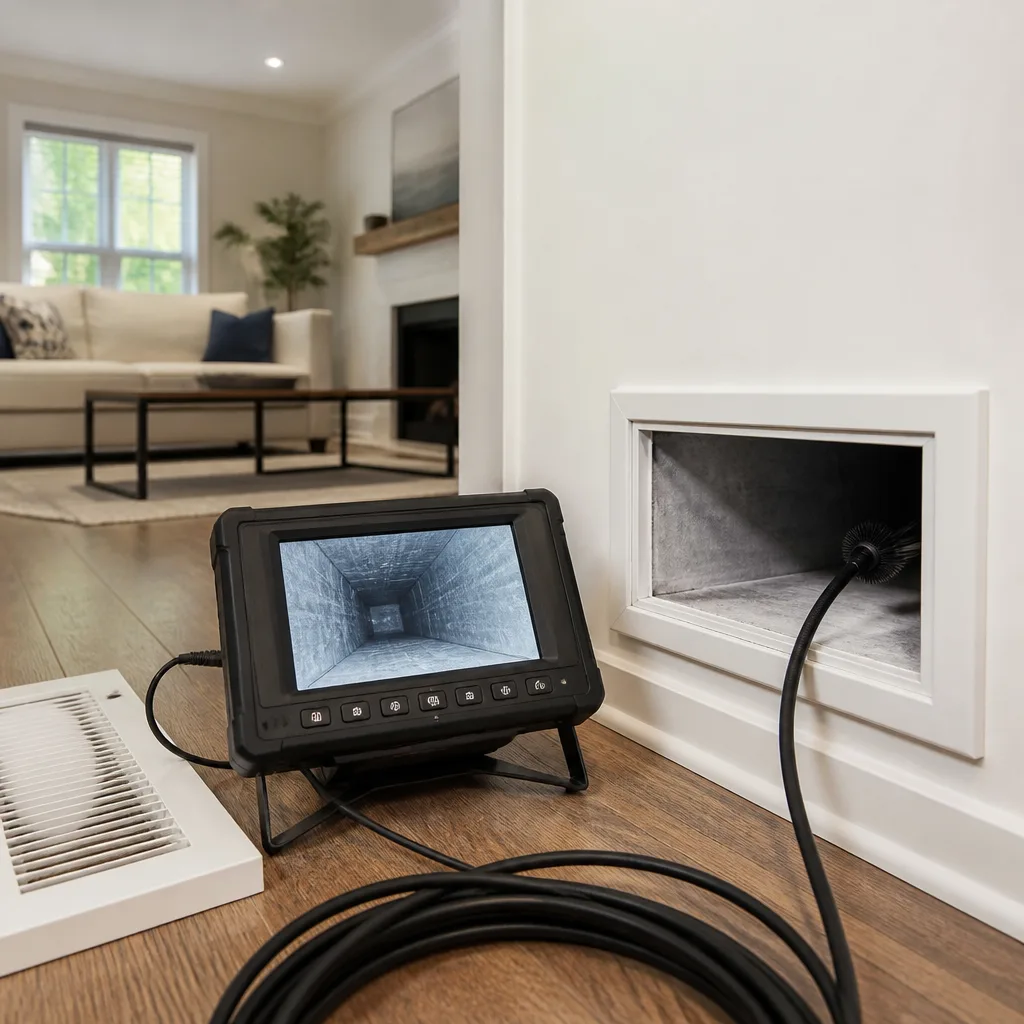 Camera inspection
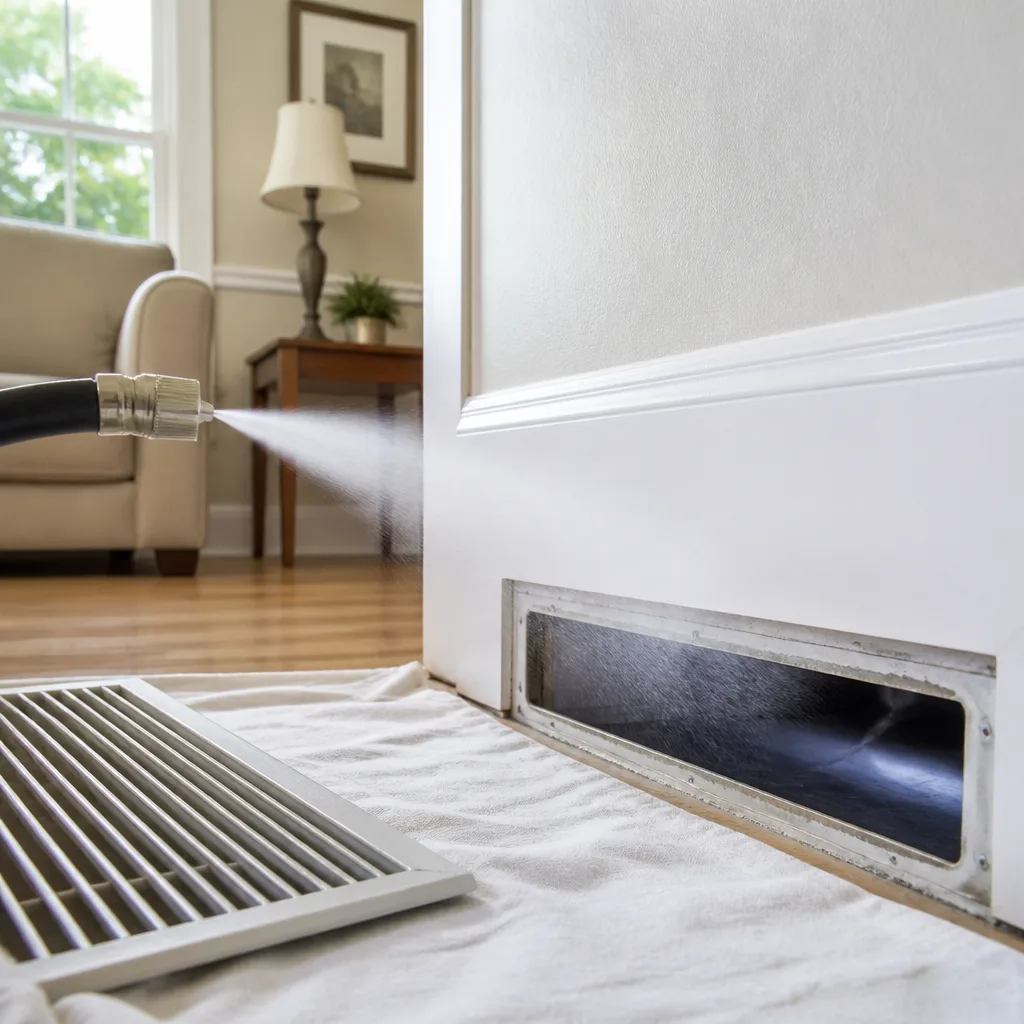 Sanitizing & deodorizing
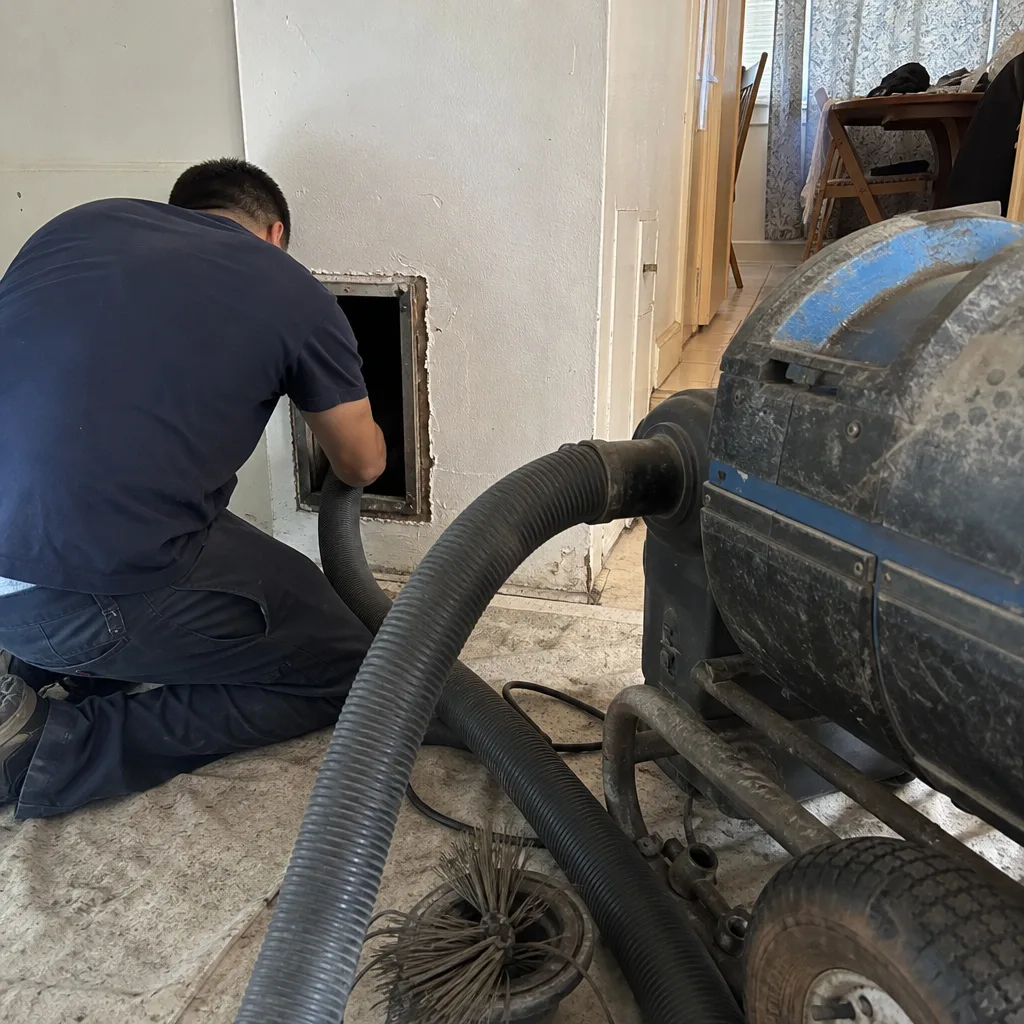
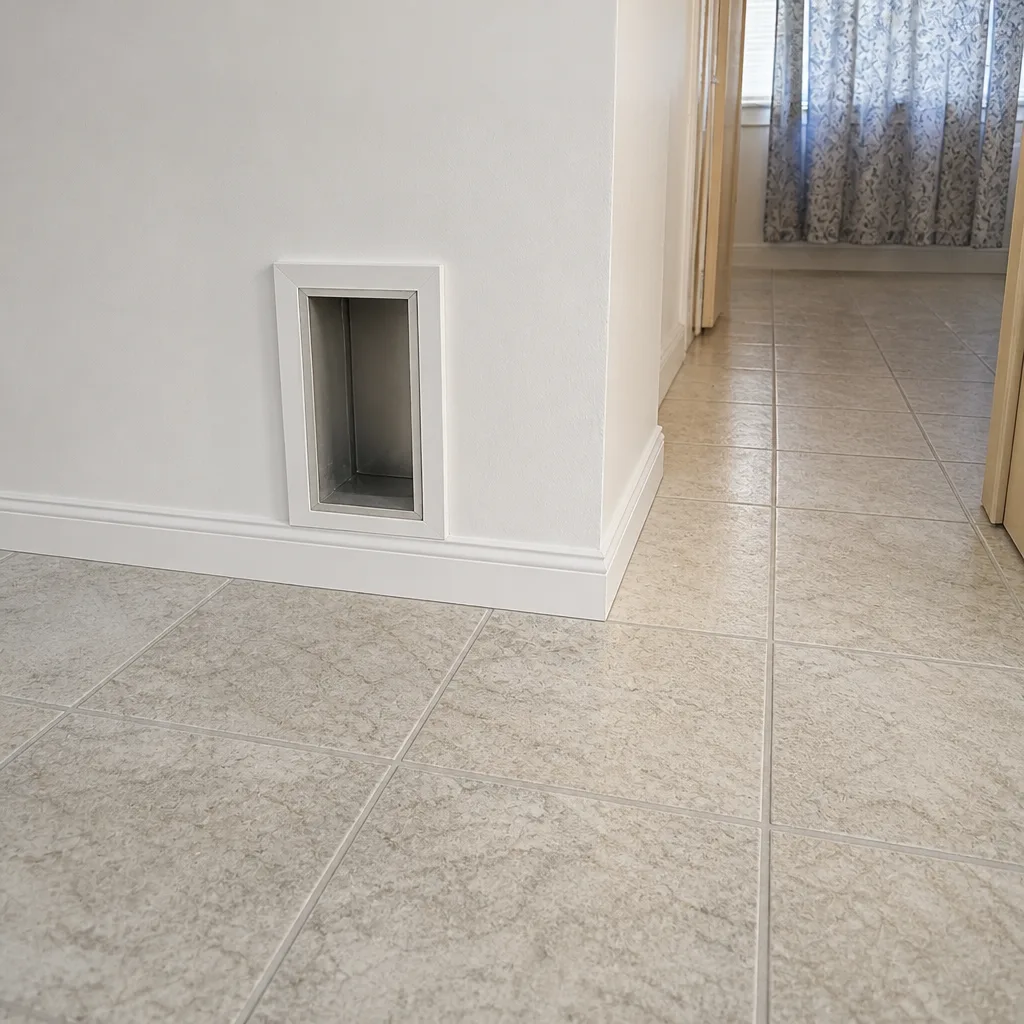
Whole-system duct and dryer vent check with before-and-after photos - you see exactly what came out of your vents
That "$99 whole-house special" is a bait ad - the real number appears once they are in your hallway, or the "clean" is a shop-vac at the register. We photograph the inside of your ducts before and after instead.
Seasonal Air Duct Cleaning Care for Upland: Year-Round Homeowner’s Guide
Most seasonal duct cleaning guides follow a national template: service in spring, service in fall, call it done. That advice fails in Upland, where the real contamination calendar is driven by three forces the generic guides never mention. Late-summer wildfire smoke pushes fine particulate into return plenums and flex duct runs, the October and November Santa Ana window forces grit through every gap in your envelope, and summer heat cycles your system at a duty rate that accelerates duct seal failure. This guide explains what to inspect in each season, when a cleaning actually pays for itself, and how to build a maintenance calendar that matches the way Upland’s air actually behaves.
Styles & brands we work with
- Whole-home duct cleaning
- Dryer vent cleaning
- Camera inspection
- Sanitizing & deodorizing
Quick Answer
Seasonal air duct care in Upland should follow a four-phase calendar: a post-Santa Ana debris assessment in December, a filter and pollen inspection in March, a mid-summer seal and integrity check during peak cooling months, and a wildfire smoke protocol each fall. Most homes benefit from a full air duct cleaning once every three to five years, with targeted inspections in between. The two highest-risk periods here are late-summer smoke infiltration and the October-November Santa Ana window, not spring and fall as national guides suggest.
Table of Contents
- Why Upland’s Seasonal Schedule Differs from National Advice
- Winter (December-February): Post-Santa Ana Assessment and First-Heat Odor Check
- Spring (March-May): Pollen Loading, Construction Dust, and Filter Upgrades
- Summer (June-September): Duty-Cycle Wear and Duct Seal Integrity
- Fall (October-November): Wildfire Smoke Protocol and Santa Ana Preparation
- How to Build a 12-Month Duct Care Calendar for Upland
- Common Mistakes to Avoid
- When to Call a Professional
- Frequently Asked Questions
- The Bottom Line
Why Upland’s Seasonal Schedule Differs from National Advice
National duct cleaning guides are written for places with long frozen winters and humid summers. Upland has neither. Our winters are mild, our summers are dry and hot, and our most aggressive air quality events happen in late summer and fall. The generic “spring and fall” recommendation skips the two periods when Upland ductwork takes the most abuse: wildfire smoke season and Santa Ana wind season.
Here’s what actually drives duct contamination in Upland:
- Santa Ana winds typically arrive between October and February, carrying fine dust and particulate that penetrates window seals, attic vents, and any gap in the duct system.
- Wildfire smoke from regional fires settles into return registers and gets pulled through the blower, coating duct interiors with fine ash and odor-causing residue.
- Summer heat pushes HVAC systems to run 12 to 16 hours daily in July and August, which accelerates wear on duct seals and flex duct connections in attics that routinely exceed 130 degrees.
- Construction activity across Upland’s active development corridors generates airborne particulate that enters homes through returns, especially in spring when grading and framing are busiest.
- Pollen from non-native landscaping peaks in March through May, loading return grilles and filters faster than manufacturer replacement intervals anticipate.
The homeowner who follows a New England duct care calendar will consistently service at the wrong time. The right approach is built around Upland’s actual seasonal pressure points.
Winter (December-February): Post-Santa Ana Assessment and First-Heat Odor Check
Winter in Upland is mild enough that HVAC systems cycle between heating in the early morning and cooling by afternoon. That switching pattern creates a specific set of duct issues that frozen-climate guides never address.
Post-Santa Ana Debris Assessment
After a Santa Ana event, the first place to check is the return register. If you see fine dust accumulation on the grille within a week of cleaning it, your return path has a gap somewhere between the wall cavity and the duct trunk. Santa Ana winds pressurize the exterior of the home and force particulate through those gaps with surprising force. A visual check of accessible duct runs in the attic will often show a film of dust on flex duct exterior surfaces, which indicates the same air is being pulled into the system.
- Remove and wash return grilles after the first major Santa Ana event of the season.
- Check the filter. If it’s heavily loaded within 30 days of installation, the return path is pulling unfiltered air.
- Inspect accessible duct boots and registers for dust streaks that indicate air bypassing the filter.
- If dust reappears within days, schedule an inspection to locate the gap before it becomes a full-system contamination problem.
First-Heat-of-Season Odor Investigation
The first time the furnace runs in November or December, many Upland homes produce a distinct musty or burning smell. The burning smell is usually dust on the heat exchanger and clears within an hour. The musty smell is different. That odor indicates moisture has been present in the duct system or the condensate pan, often from the final weeks of summer cooling before the switch to heat.
In Upland’s dry climate, we don’t worry about freeze-thaw damage to ducts. What we do see is condensation forming on flex duct runs that pass through unconditioned attic spaces during cool winter mornings when the system runs heat, then again when it switches to cooling in the afternoon. That moisture cycle supports microbial growth inside the duct liner. If the musty odor persists beyond the first heat cycle, it’s worth scheduling an inspection rather than ignoring it until spring.
Winter Duct Care Checklist
- Replace the filter with a MERV 8 or higher option before the heating season begins.
- Check all supply registers for obstructions from holiday decor or rearranged furniture.
- Listen for whistling or rattling at register boots, which signals seal degradation.
- If you have a whole-home humidifier, verify it’s set correctly for Upland’s dry winter air before it adds unnecessary moisture to ducts.
Spring (March-May): Pollen Loading, Construction Dust, and Filter Upgrades
Spring is when Upland’s air gets busy. Non-native landscaping across the city releases pollen in waves from March through May, and construction activity picks up on development corridors throughout the region. Both sources put measurable load on your return path and filter.
Pollen Loading at Returns
Pollen is sticky and irregularly shaped, which means it doesn’t pass cleanly through filters. It accumulates on return grilles, in the filter media, and on the leading edge of the evaporator coil. In homes with returns in high-traffic hallways or near sliding doors, pollen loading is concentrated and rapid. If a return grille develops a visible yellow-green film within days of cleaning, the filter is likely undersized or the return path has a bypass problem.
Construction Dust in Upland’s Active Corridors
Homes near active grading, framing, or roadwork see a specific contamination profile: fine silica dust that behaves differently than pollen or skin cells. It’s heavier, it settles faster, and it accumulates in horizontal duct runs rather than staying airborne. This dust also wears down blower motor bearings faster than organic particulate. If your neighborhood has visible construction activity, inspect the filter every two weeks during the active grading phase, not monthly.
The Filter Upgrade Window
Spring is the right time to upgrade filtration before the cooling season starts. A MERV 11 or MERV 13 filter handles both pollen and construction dust effectively, but it increases static pressure, which some older blowers can’t handle. Before upgrading, verify your system can move adequate air with the higher-efficiency filter installed. For homes where a high-MERV filter is not viable, a standalone whole-home air quality system like Aprilaire or Honeywell media filtration provides better particulate capture without choking the blower.
- Inspect the blower wheel and evaporator coil for pollen buildup in late April.
- If buildup is visible, schedule a cleaning before peak cooling season begins in June.
- Upgrade the filter as far as your system’s static pressure rating allows.
- Consider a media cabinet installation if a high-efficiency filter won’t fit the existing filter slot.
- Wash all supply and return grilles when pollen season peaks in April.
Summer (June-September): Duty-Cycle Wear and Duct Seal Integrity
Upland summers are the most demanding season for duct systems. In July and August, cooling systems routinely run 14 to 16 hours per day. Attic temperatures above 130 degrees are common. Flex duct runs in unconditioned attics are exposed to heat that accelerates polymer degradation in the duct jacket and adhesive bonds at connections. Every hour of runtime is an hour of positive pressure pushing against those seals.
Duty-Cycle Wear on Duct Seals
Duct tape adhesive fails predictably under sustained attic heat. Mechanical connections at boots, plenums, and trunk lines separate slightly as materials expand and contract. The result is conditioned air leaking into the attic, which pulls hot, dusty attic air back into the system through negative pressure on the return side. The symptom homeowners notice first is a bedroom that won’t hold temperature or a system that runs constantly without satisfying the thermostat.
When to Inspect Versus When to Clean
Not every summer issue requires a full cleaning. If the system is less than three years old and the filter has been maintained, a duct seal inspection is often the correct starting point. If the system has visible dust at supply registers, five or more years of accumulation, or a history of running without filtration, a cleaning is warranted before any seal repair so the fix doesn’t trap contamination.
- Inspect: Uneven room temperatures, high utility bills, dust at registers despite clean filters, new whistling or rattling sounds.
- Clean: Visible dust discharge from supply registers, musty odor on startup, five-plus years since last cleaning, recent construction or renovation in the home.
Attic Temperature Effects on Flex Duct
Flex duct has a service life, and Upland’s attic conditions shorten it. When the outer jacket cracks or the inner liner separates, the duct loses both insulation value and air-tightness. The cooling air warms as it travels, and the system compensates by running longer. If you can access the attic in summer, look for sagging flex runs, visible cracks in the outer jacket, and condensation at any point along the run. Condensation in summer is a sign that cold air is escaping into a hot attic, and it points to a specific repair location.
Fall (October-November): Wildfire Smoke Protocol and Santa Ana Preparation
Fall is the season where Upland duct care diverges most sharply from national advice. This is when wildfire smoke and Santa Ana winds create the year’s most challenging air quality conditions, and both demand a different playbook than routine seasonal maintenance.
Wildfire Smoke Protocol
When wildfire smoke settles over Upland, the HVAC system needs to shift into containment mode. The goal is to keep smoke out of the ducts, not to scrub it after it’s already inside. Smoke particles are extremely fine, often under 1 micron, which means they pass through most residential filters. Once inside the duct system, they coat surfaces with residue that off-gasses odor for months.
- During an active smoke event, set the system to recirculation mode if your thermostat supports it, which closes the outside air damper and prevents smoke from being pulled in directly.
- Run the fan continuously at low speed so the filter captures as much indoor particulate as possible before it settles into ducts.
- Check the filter daily during heavy smoke. A smoke-loaded filter passes less air and stresses the blower.
- After the event clears, inspect the filter. If it’s dark gray or brown, the system pulled smoke through the return path.
- Replace the filter immediately and monitor for odor in the weeks following. If a smoke odor persists after two filter changes, schedule a duct inspection.
The Case for a Targeted Post-Smoke Cleaning
A major smoke event in Upland can justify a targeted duct cleaning even if the system was cleaned recently. Smoke residue is chemically different from household dust. It contains fine carbon particles and volatile organic compounds that embed in duct liners and flex duct interiors. When the furnace runs that winter, the heat releases those compounds and the odor returns. For homes that were in the direct smoke path for multiple days, a cleaning that removes that residue is a legitimate preventive step, not an upsell.
Pre-Santa Ana Preparation
Before the Santa Ana season begins, seal the obvious entry points. Check window and door weatherstripping, verify that attic access panels seal properly, and confirm that the outside air damper closes fully when the system runs. If your duct system has known leaks from a previous inspection, address them before the winds arrive rather than waiting until after the damage is done. Wind-driven fine particulate penetrates duct gaps at rates that routine household dust never approaches.
How to Build a 12-Month Duct Care Calendar for Upland
Manufacturer maintenance schedules are written for temperate climates, which means they don’t reflect the way Upland’s air actually behaves. Use this calendar instead:
| Month | Action | Why It Matters in Upland |
|---|---|---|
| January | Post-Santa Ana register and filter check | Wind-driven particulate loads the filter and reveals return path gaps |
| February | Inspect flex duct runs for jacket cracks | Winter temperature swings stress adhesive bonds in unconditioned attics |
| March | Baseline filter change and blower check | Prepares the system for pollen season before allergens peak |
| April | Pollen-load inspection at returns | Identifies return bypass issues when pollen accumulation is fastest |
| May | Optional filter upgrade before cooling season | Higher filtration before heavy summer runtime protects the coil |
| June | Duct seal inspection | Catches seal failures before peak duty cycle makes them worse |
| July | Temperature differential check across supply runs | Reveals heat gain from compromised duct insulation |
| August | Monitoring period; inspect if symptoms appear | Peak wildfire smoke season; watch for odor and filter loading |
| September | Post-smoke assessment after any major event | Determines whether a targeted cleaning is warranted |
| October | Outside air damper and seal check | Prepares the envelope and duct path for Santa Ana winds |
| November | First-heat odor investigation | Distinguishes normal dust burn-off from moisture-related issues |
| December | Annual review and cleaning scheduling | Books service during the mildest conditions of the year |
This calendar moves the heavy lifting away from the generic spring and fall markers and places it where Upland’s actual contamination cycles occur.
Common Mistakes to Avoid
- Following a national seasonal guide. Advice written for humid or freezing climates recommends service timing that doesn’t match Upland’s wildfire smoke and Santa Ana seasons. You’ll service at the wrong time and still miss the real contamination events.
- Ignoring the filter during smoke season. A smoke-loaded filter restricts airflow and stresses the blower while passing fine particulate into the duct system. Check it daily during heavy smoke, not monthly.
- Waiting for visible dust before cleaning. By the time dust is visible at supply registers, the duct interior has been shedding particulate for months. Visible dust is a late-stage symptom, not an early warning.
- Skipping duct seal repair before cleaning. Cleaning a duct system with open seals or disconnected boots means the cleaning is undone within weeks as attic air re-contaminates the system. The structural fix comes first.
- Treating dryer vents as a separate chore. Lint accumulation in dryer vents is a fire hazard that follows a similar seasonal pattern to duct contamination. Combining dryer vent cleaning with an annual duct inspection catches both problems in a single visit.
- Assuming new construction means clean ducts. New homes in Upland’s development corridors often have construction debris inside duct runs from the framing and drywall phases. A new home is not a clean home.
- Running the system with outside air open during smoke events. If the thermostat has a fresh air or ventilation setting, it pulls unfiltered smoke directly into the return path. Close the damper during active smoke conditions.
When to Call a Professional
Some duct problems are visible and some are hidden, but all of them get worse with time. Call a professional when dust returns to registers within days of cleaning them, when a musty odor persists through multiple filter changes, when rooms won’t hold temperature despite a properly sized system, or when a major smoke or wind event has clearly pushed contamination into the system. If the flex duct is visibly cracked or sagging in the attic, that’s a structural problem that cleaning alone won’t fix. Duct Cleaning Upland offers free estimates for homes across Upland and the surrounding area. Call (855) 382-4830. We answer 24/7. Fast dispatch from 7am to 7pm, Sunday through Friday.
Frequently Asked Questions
Most homes in Upland benefit from air duct cleaning every three to five years, with the exact interval depending on whether the home has pets, how often the system runs during summer months, and whether the home sits near construction activity or wildfire smoke corridors. Homes with allergy-sensitive occupants or visible dust at registers may need cleaning on the shorter end of that range. Call (855) 382-4830 for a free estimate and a recommendation based on your specific system.
Yes. Wildfire smoke penetrates homes through the building envelope and enters duct systems passively through return grilles, even when the blower is not running. Once inside, smoke particles settle onto duct surfaces and can be redistributed the next time the system operates. This is why post-smoke inspections matter in Upland even for homes with the HVAC system shut down during the event.
The mildest and most practical window for duct cleaning in Upland is during the October-through-February period, which coincides with the end of wildfire smoke season and the start of the Santa Ana window. Cleaning after the smoke clears removes the residue that would otherwise off-gas during winter heating. A pre-Santa Ana seal check is also worth doing in October, before the winds arrive.
The difference comes down to equipment and scope. Low-cost operators frequently use a portable vacuum and a single rotating brush, which removes loose dust but leaves the finer particulate and surface residue behind. Operators using commercial-grade equipment like Rotobrush or Nikro systems with true negative air pressure from Abatement Technologies achieve a deeper clean and contain the particulate during removal. The written estimate should explain exactly what equipment will be used and what the cleaning includes.
Homeowners can replace filters, clean register grilles, and inspect accessible duct runs, but a true duct cleaning requires negative-air containment equipment that prevents particulate from being released into the living space during the cleaning process. Household vacuums lack the static pressure needed to dislodge accumulated debris from duct interiors. For safety and thoroughness, leave the interior cleaning to professionals.
Repair comes first. If the duct system has open seals, disconnected boots, or compromised flex sections, cleaning the interior before fixing those gaps means the newly cleaned ducts are immediately re-contaminated by attic air. A proper sequence is: inspect, repair structural issues, then clean. This ensures the cleaning result lasts.
The Bottom Line
Upland’s duct care calendar is built around the conditions that actually affect this city: Santa Ana winds from October through February, wildfire smoke in late summer and fall, extreme summer duty cycles that stress duct seals, and spring pollen and construction dust. Following a national seasonal guide means servicing at the wrong times and missing the real contamination events. The right approach is a year-round schedule with targeted inspections in December, March, June, and October, full cleanings every three to five years, and post-smoke assessments after any major wildfire event. When the time comes, work with a company that brings commercial-grade equipment and treats duct repair as part of the same job as cleaning, not an afterthought.
Written by the team at Duct Cleaning Upland, serving Upland since 2012.
See the difference
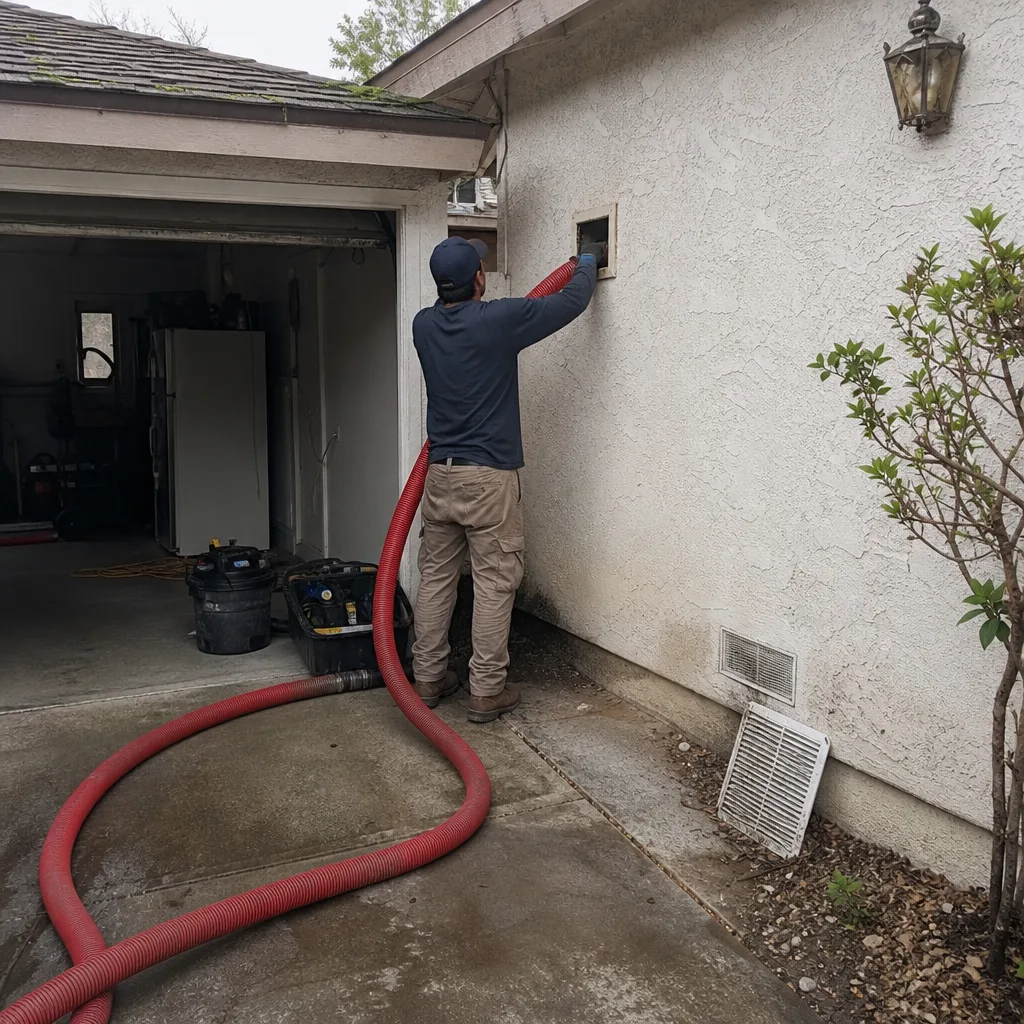 Before
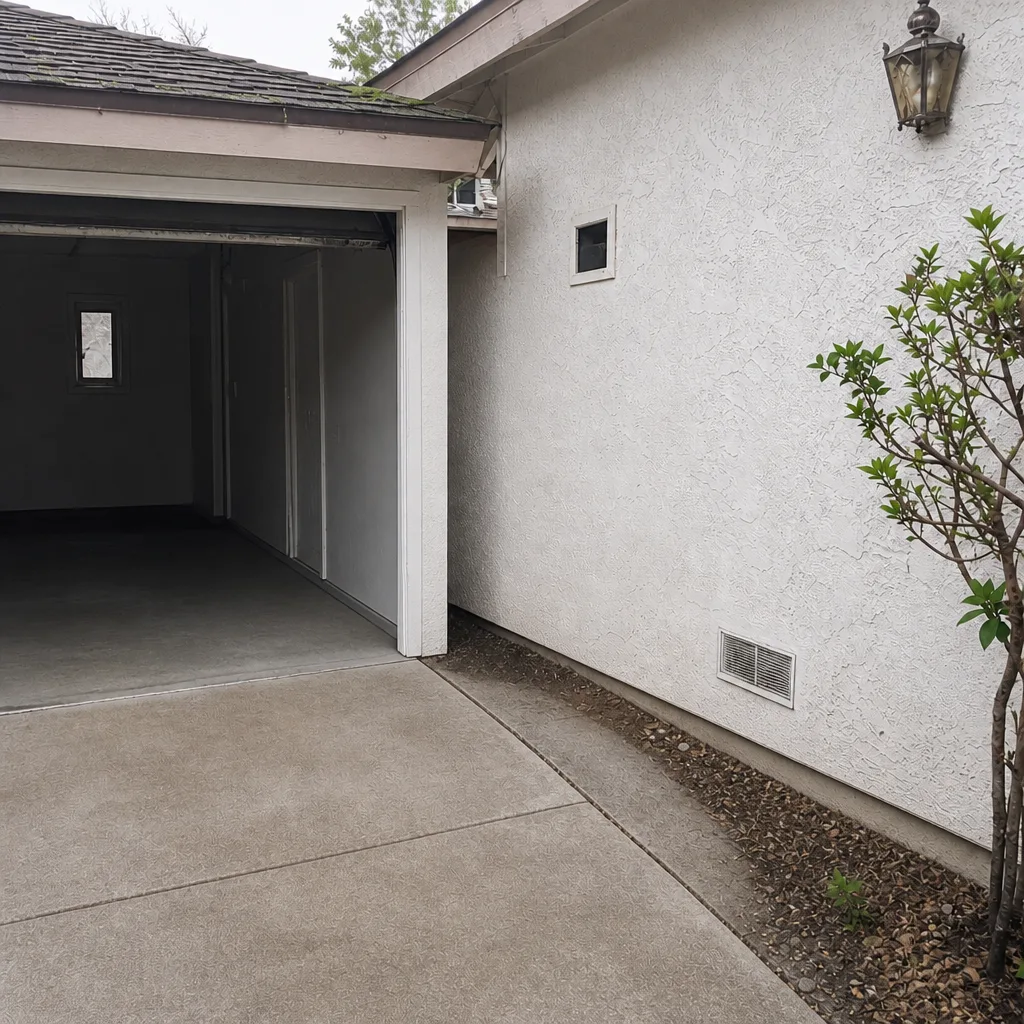 After
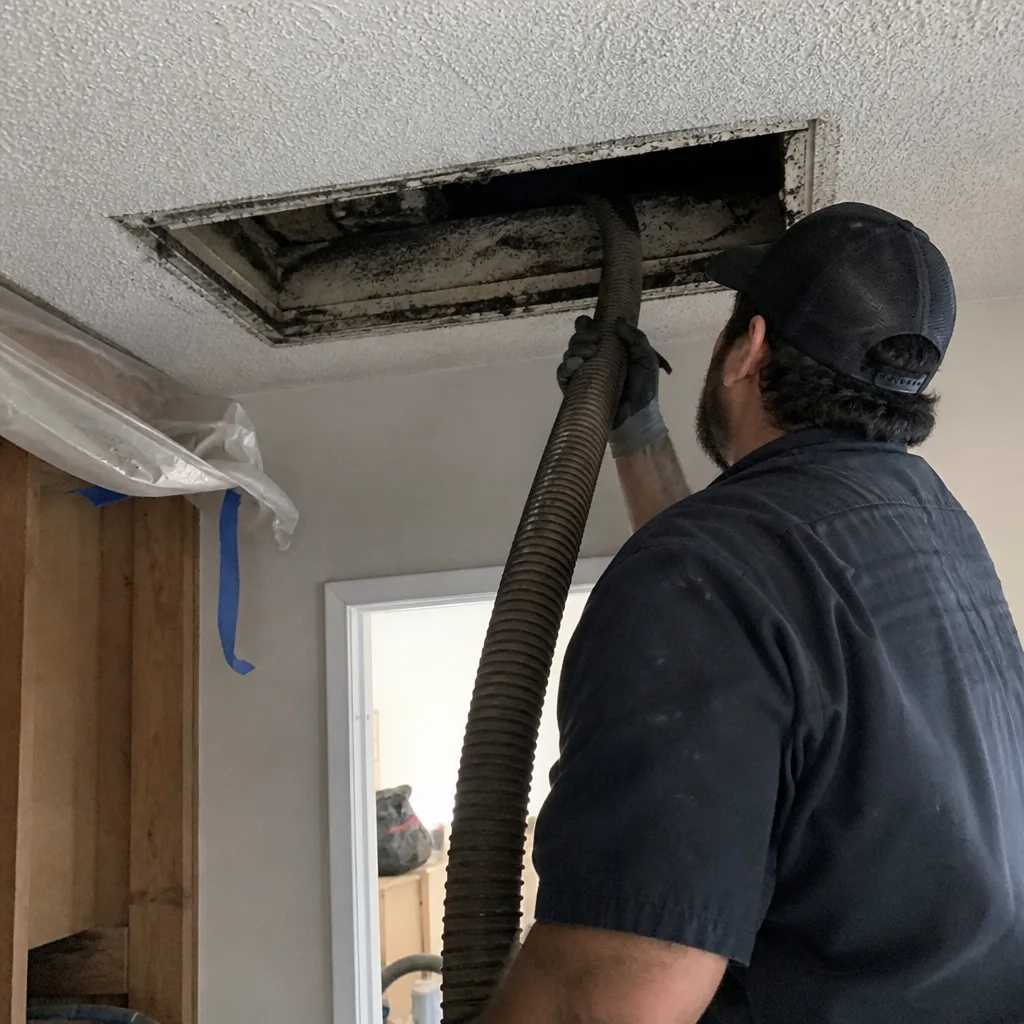 Before
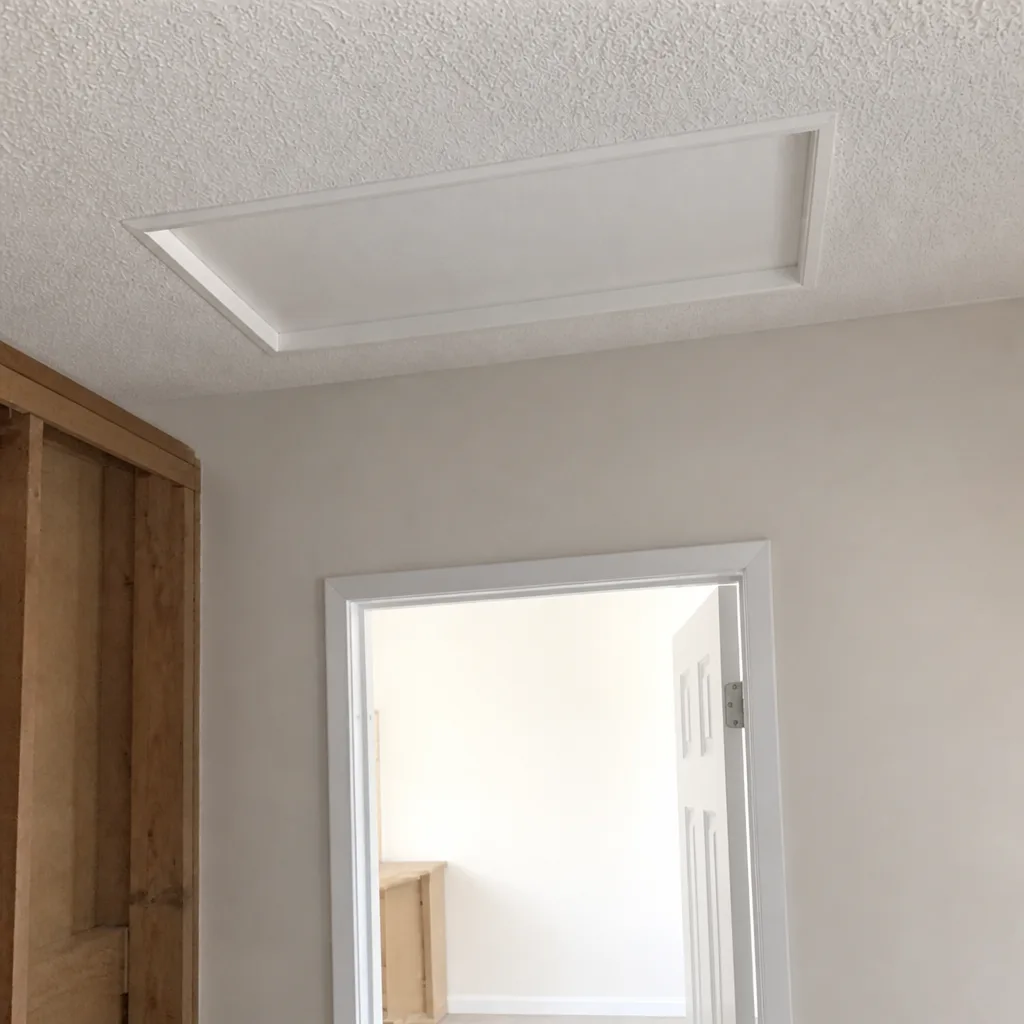 After
 Before
 After