
Last updated November 4, 2026
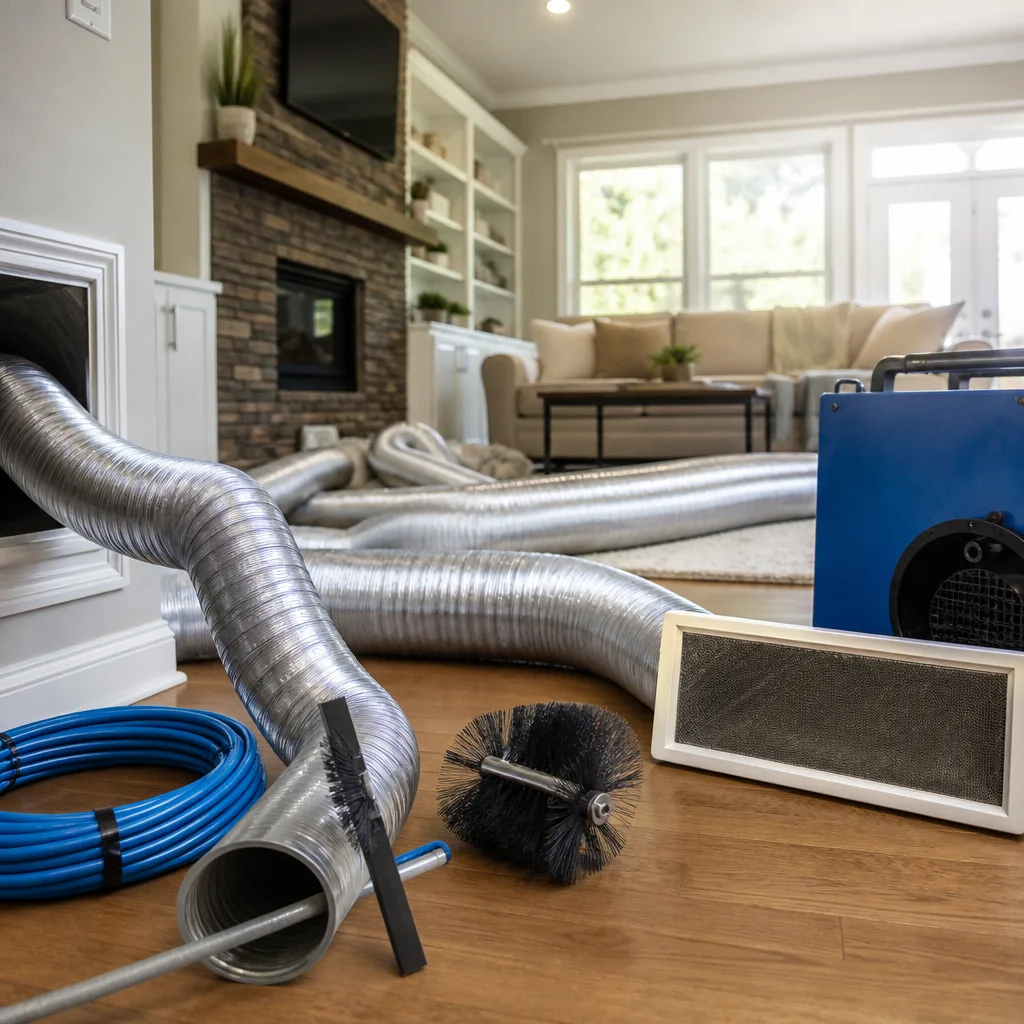 Whole-home duct cleaning
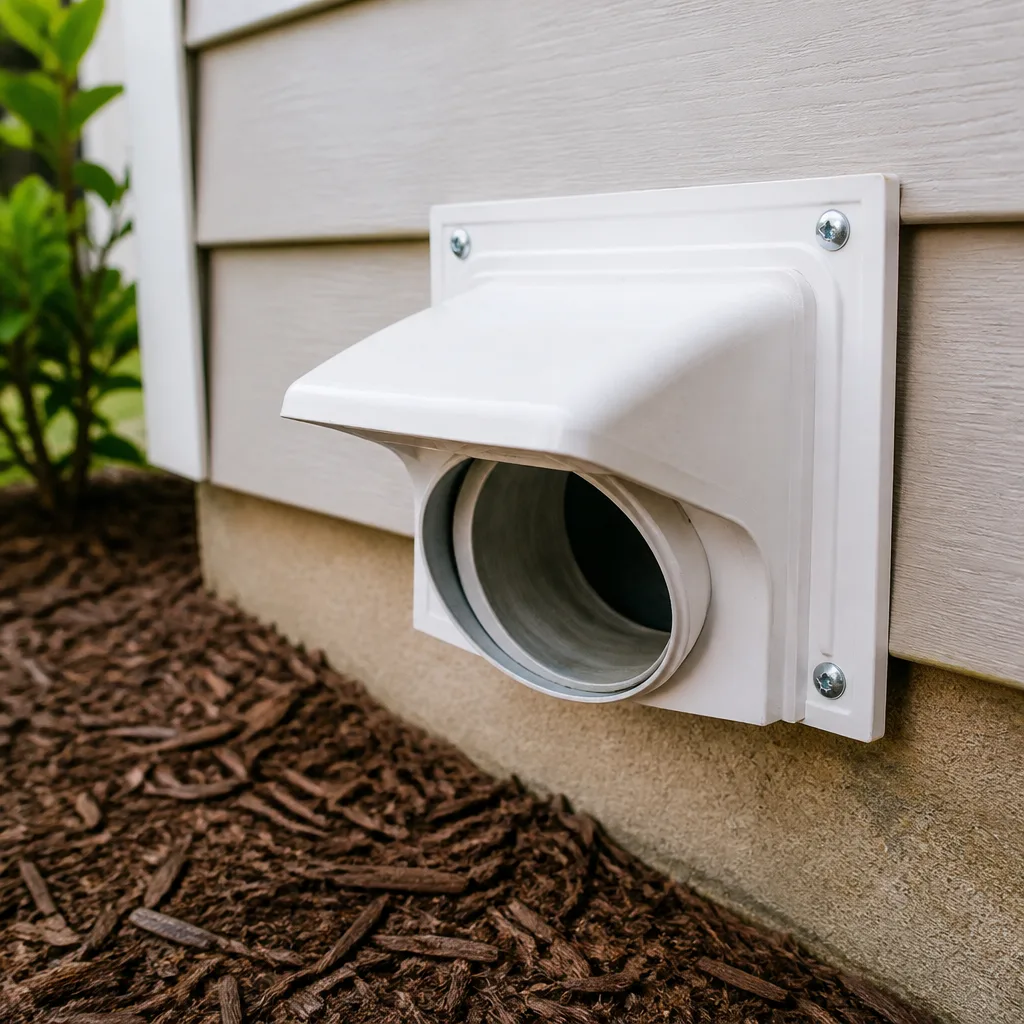 Dryer vent cleaning
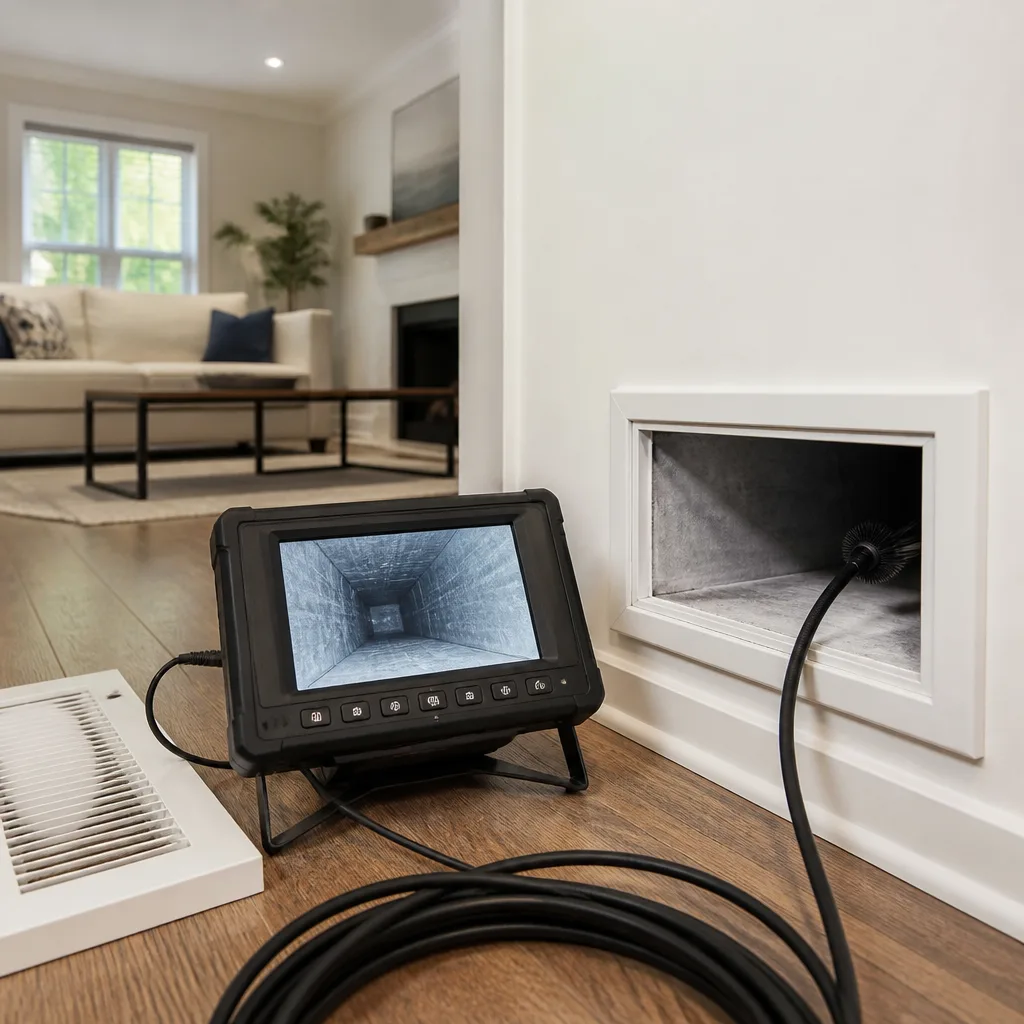 Camera inspection
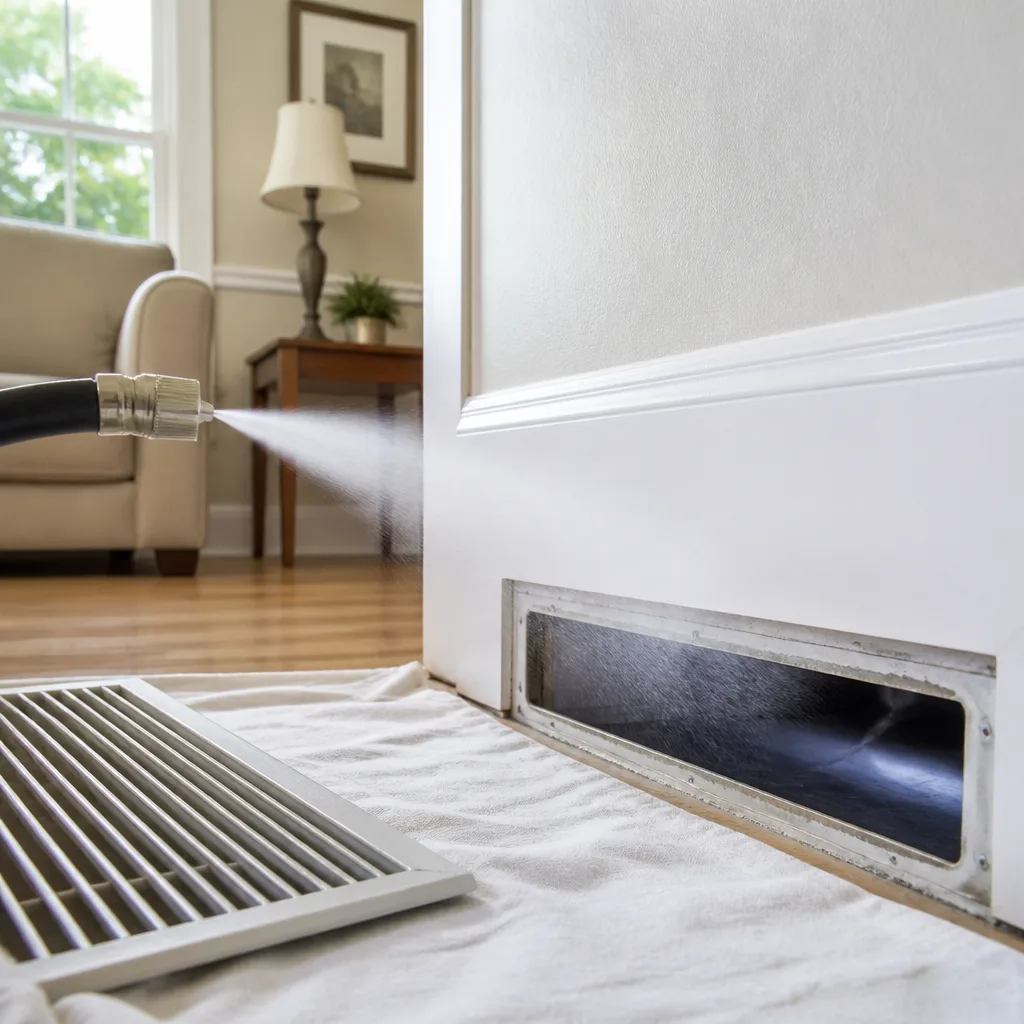 Sanitizing & deodorizing
Whole-system duct and dryer vent check with before-and-after photos - you see exactly what came out of your vents
That "$99 whole-house special" is a bait ad - the real number appears once they are in your hallway, or the "clean" is a shop-vac at the register. We photograph the inside of your ducts before and after instead.
Air Duct Cleaning Maintenance Checklist for Upland Homeowners
The standard advice to clean your ducts every three to five years was written for mild climates with low particulate loads. Upland sits in one of the highest PM2.5 corridors in California, where Santa Ana winds push desert dust through the valley and wildfire smoke settles into the basin from October through December. That generic timeline can be dangerously optimistic for many households here. This checklist is built around Upland’s actual environmental triggers, not national averages, so you’ll know which conditions in your specific home are silently degrading air quality between professional visits and what to do about them before they become a problem you can smell.
Quick Answer
An air duct cleaning maintenance checklist for Upland homeowners should combine monthly visual checks of filters, registers, and return grilles with seasonal inspections tied to local triggers like Santa Ana wind events and wildfire smoke infiltration windows. The most reliable signal that your ducts need cleaning sooner than the generic three-to-five-year mark is how quickly your filter loads with visible debris in Upland’s high-PM2.5 environment. If you see dust accumulation at registers within weeks of cleaning, smell a musty odor after the first heat cycle in fall, or find pest evidence near ductwork, that’s a red-line condition that moves you from a scheduled cleaning to an immediate one.
Styles & brands we work with
- Whole-home duct cleaning
- Dryer vent cleaning
- Camera inspection
- Sanitizing & deodorizing
Table of Contents
- Monthly Visual Checks You Can Do Yourself
- Filter Loading Rate as a Contamination Velocity Indicator
- Seasonal Triggers Specific to Upland
- How to Log HVAC Runtime Hours and Build a Data-Backed Schedule
- Red-Line Conditions That Move You to Immediate Cleaning
- What to Verify After a Professional Cleaning
- Common Mistakes to Avoid
- When to Call a Professional
- Frequently Asked Questions
Monthly Visual Checks You Can Do Yourself
A maintenance checklist only works if it’s built around what you can actually see and measure. In our experience cleaning ducts across Upland, the homes with the best indoor air quality aren’t necessarily the ones cleaned most often. They’re the ones where someone pays attention to the small signals that accumulate between visits. You don’t need specialized tools for a monthly check. You need a flashlight, your phone camera for documentation, and about ten minutes.
Here’s the monthly routine we recommend for Upland homeowners:
- Check the filter with your eyes, not the calendar. Hold it up to a light source. If light barely passes through, the filter has been loading faster than expected. In Upland’s particulate-heavy air, a filter that’s dark gray or brown after 30 days tells you the ducts are pulling in more than you think.
- Wipe the inside of one supply register with a white cloth. Pick a register in a room you use daily, not a hallway. If the cloth comes away with visible gray or black residue and you changed the filter within the last two weeks, that’s debris moving through the system, not just surface dust on the grille.
- Look at the return grille edges. Return grilles pull air in, so they trap debris from the room. A fuzzy gray halo forming around the slats within a month of cleaning means the return side is working hard against a heavy particulate load.
- Check the area around the furnace or air handler. If you see dust settling on the cabinet itself, especially in the weeks after you last vacuumed that area, the system may be drawing in unfiltered air through gaps in the return ductwork.
- Note any new household symptoms. Not dramatic ones, just small stuff. A bedroom that always seems slightly stuffy in the morning. A den where you sneeze more than usual. These are data points, not emergencies, and they’re worth writing down.
None of these checks require opening the ductwork. They’re observation-based, which is exactly what a good maintenance routine looks like. You’re not fixing anything; you’re building a baseline so that when something changes, you notice it fast.
Filter Loading Rate as a Contamination Velocity Indicator
The most underused diagnostic tool in any Upland home is the humble filter. Most homeowners change it on a schedule and forget about it. But how quickly a filter loads tells you something important: how fast contamination is moving through your ducts. That loading rate is a proxy for what we call contamination velocity, and it’s the single best early warning you have without professional testing.
Here’s how to use it. Get a notebook or a note on your phone. When you install a fresh filter, write down the date and take a photo of the clean filter against a white background. Every two weeks, pull the filter out and photograph it in the same spot with the same lighting. You’re not looking for a perfect comparison. You’re looking for the rate of change.
In most Upland homes, especially those built before the current wave of development, a standard MERV 8 filter will show visible loading within 30 to 45 days. That’s normal for this climate. The Santa Ana winds and the basin’s persistent particulate matter mean our air is simply dustier than coastal California. But if your filter loads to the point where light barely passes through in under three weeks, and you’re not doing drywall work or running a renovation, that’s a signal. Your ducts are either pulling in unfiltered air from somewhere, or the volume of debris already inside the system is being redistributed continuously.
You can also use filter loading to test the quality of a professional cleaning. After a real air duct cleaning with commercial-grade agitation and extraction, a fresh filter should load noticeably slower. If your filter is just as dirty in the same two-week window after a cleaning as it was before, the job either missed significant debris or there’s a structural issue like a return leak pulling attic or crawlspace air into the system. That’s worth investigating.
One practical note for Upland specifically: if you live in a neighborhood with active construction nearby, which is increasingly common as Upland continues to develop, expect filter loading rates to spike during grading and framing phases. That dust is fine, alkaline, and pervasive. A MERV 11 or MERV 13 filter can help during those periods, but it will load faster. The point is to watch the rate and adjust rather than blindly following a 90-day schedule.
Seasonal Triggers Specific to Upland
Upland doesn’t have the freeze-thaw cycles or humidity swings that drive duct maintenance schedules in other parts of the country. What we have instead is a distinct set of seasonal events that push particulate matter into homes, and those events create predictable windows when duct inspections matter most.
Santa Ana wind events, typically September through November. The winds push fine desert dust and pollen through the valley, and they also kick up whatever’s sitting on rooftops, patios, and exposed soil. During and immediately after a Santa Ana event, your HVAC system is working against outdoor air that’s carrying more particulate than usual. If your return ductwork has any gaps, and more return ductwork has gaps than homeowners realize, the negative pressure pulls that dust in. The week after a significant Santa Ana event is the single best time all year to do a visual check of registers, returns, and filter loading in Upland.
Wildfire smoke infiltration, October through December. Wildfire smoke is a different problem than wind-blown dust. The particles are finer, they’re sticky, and they carry volatile organic compounds that settle into duct surfaces and off-gas slowly. Homes in Upland that ran their HVAC systems during smoky periods may have smoke residue inside the ductwork even if the indoors smelled fine. That residue doesn’t just sit there. It releases odor and irritants when the system cycles. A post-smoke-season inspection combined with a professional cleaning with equipment like Rotobrush agitation systems is the most reliable way to reset the system before winter heating.
Spring grading and construction activity. Upland’s ongoing development means spring grading kicks up large volumes of soil dust in specific neighborhoods. If you live near active construction, your filter loading rate will tell you when the dust is finding its way in. This is also a good time to look at whether your ducts need structural attention. Dust that enters through gaps in return ducting is a problem no amount of cleaning fixes permanently.
How to Log HVAC Runtime Hours and Build a Data-Backed Schedule
Most duct cleaning schedules are based on guesswork, and that guesswork is expensive in both directions. Clean too late and you’ve been breathing contaminated air for months. Clean too early and you’ve spent money on a service your system didn’t need yet. A runtime log solves that problem by replacing intuition with data.
The basic concept is simple: your ducts accumulate contamination based on the volume of air moving through them, which is a function of runtime, not calendar days. Two Upland homes of the same age can have wildly different duct conditions because one runs the HVAC system four hours a day and the other runs it sixteen. Here’s a straightforward approach that works without any special equipment.
Step 1: Start with your filter schedule. You already change filters. Use that as your logging anchor. Every time you change a filter, write down the date, the filter’s MERV rating, and a one-line description of how it looked when you removed it. Loaded evenly? Dark on one edge only? The pattern matters and gives you clues about airflow balance.
Step 2: Track runtime by season, not by day. You don’t need to monitor your thermostat constantly. At the end of each month, look at your energy bill or thermostat history if you have a smart model, and estimate how many hours the system ran. Mark it as low, medium, or high relative to other months. Upland’s mild winters mean lower heating runtime than most of the country, but summer cooling is significant.
Step 3: Correlate filter loading rate with runtime. After a few months, you’ll see a pattern. If your filter loads fast in a month with low runtime, that’s an outdoor particulate event finding its way in. If it loads fast in a month with high runtime, that’s expected airflow volume. The distinction matters because it tells you whether the problem is environmental or mechanical.
Step 4: Use accumulated data to trigger your next service. Once you’ve logged a full year, you’ll know your home’s baseline. A reasonable rule of thumb from our experience: if your filter loading rate in a typical month suddenly doubles without explanation, plan an inspection. If you’ve logged high runtime for two consecutive seasons with consistent fast loading, that’s a signal to move the next cleaning forward rather than waiting for the generic three-to-five-year mark.
This process requires no special equipment, just consistency. Most homeowners don’t do it, which is why most schedules are wrong for the actual conditions in the home. Homes in Upland’s older neighborhoods with mature landscaping and mature ductwork typically need different intervals than new construction in the north end of town. Your data, not a national chart, tells you which one yours is.
Red-Line Conditions That Move You to Immediate Cleaning
A maintenance checklist is about prevention, but some conditions mean you’re past prevention and into correction. We call these red-line conditions because when you see them, the right move is to schedule a professional cleaning now, not add it to a seasonal to-do list. Here’s what moves the needle from scheduled maintenance to immediate action.
Visible debris at registers. If you can see dust, fibers, or debris sitting on the register surface or the wall around it within days of wiping it clean, that’s not normal surface dust settling from the room. It’s the HVAC system actively blowing debris out of the ductwork into your living space. In our experience, this often correlates with return-side leaks pulling in attic insulation or crawlspace particulate, which then moves through the supply side. Surface cleaning won’t fix this. The source is in the ducts.
Musty odor after the first heat cycle. When you switch from cooling to heating in the fall, the heat cycle warms surfaces that have been dormant. If that first heat cycle of the season produces a musty or damp smell that persists for more than a few minutes, something organic is sitting in the system. It could be dust accumulation that absorbed moisture during the humid summer months, or it could be more serious, like microbial growth on duct surfaces. Either way, a cleaning that agitates and extracts rather than just vacuuming is the fix.
Pest evidence near ductwork. Droppings, nesting material, or chewed insulation near registers or around the air handler is a red line for two reasons. First, the particulate from pest activity is a respiratory irritant. Second, where there’s evidence of pests, there’s often a structural opening they used to get in, which means your ducts have an infiltration point that’s also pulling in unfiltered air. This is where Duct Cleaning Upland approaches the problem differently: a cleaning that removes the contamination plus a structural assessment that finds the entry point.
Visible mold-like growth on register surfaces or inside visible ductwork. If you can see fuzzy, speckled, or discolored growth on surfaces that you can access, that’s not a cleaning-only situation. It requires containment during cleaning so the material isn’t blown through the rest of the house. Abatement Technologies negative-air equipment exists specifically for this scenario, because the Standard approach of just vacuuming can spread the problem. If you see this, stop running the system if possible and call for an assessment.
What to Verify After a Professional Cleaning
A professional cleaning only counts if you can verify the checklist resets, and reset verification is where most homeowners get let down. The industry’s bait-and-switch reputation comes from operators who quote a low price, spend thirty minutes vacuuming the visible register, and leave. The ducts look the same, the filter still loads fast, and the homeowner assumes duct cleaning doesn’t work. The truth is that a proper air duct cleaning with real agitation and extraction produces measurable outcomes, and you should check for them.
Here’s what to verify after the job is done:
- Measurable airflow at each register. Before the cleaning, hold a tissue or a strip of lightweight paper near each register with the system fan running. Note how much it moves. After the cleaning, repeat the test. A register that was blowing weakly before and blows stronger after means the cleaning removed blockage. A register that was weak before and remains weak after may indicate a damper issue, a collapsed section, or a design problem that cleaning alone won’t fix. In our experience, airflow improvement should be noticeable in a system that was genuinely loaded.
- Register inspection with a flashlight. After the cleaning, shine a flashlight into each register and look down the duct run as far as you can see. You should see clean metal or clean flex duct surfaces, not a coating of gray. Some staining that’s soaked into the material won’t come out, but loose debris and surface dust should be gone.
- Filter loading rate change. Install a fresh filter the day the cleaning is done. Run your normal schedule. If the filter loads at the same speed it did before within two weeks, ask questions. That suggests debris is still entering the system, which points to a structural issue like a return leak. A proper cleaning with equipment like Nikro or Rotobrush systems removes the accumulated load. The filter loading rate should improve measurably.
- Odor resolution. If you had a musty odor before the cleaning, run a full heat cycle after. If the smell is gone and stays gone through subsequent cycles, the organic material was removed. If it returns within days, the source wasn’t fully addressed.
- Documentation of the job. You should receive before-and-after photos of the interior of your ducts. This is not a vanity feature. It’s the verification that the work actually happened inside the system, not just at the visible register faces. A company that can’t show you photos of the duct interiors before and after didn’t document the job, and that’s a problem.
If your system needs structural work to stop contamination at the source, that’s a separate scope from cleaning. Air duct repair addresses the gaps, leaks, and disconnections that let unfiltered air bypass the system’s defenses. Cleaning removes what’s already inside. Repair stops more from getting in. Both matter in Upland’s particulate-heavy environment.
Common Mistakes to Avoid
Every trade has its homeowner mistakes, and duct maintenance is no exception. In our years working in Upland homes, we see the same patterns repeat. They’re understandable, but they’re expensive, and they delay the fix you actually need.
- Changing filters on the 90-day schedule without looking at them. A filter that’s clean at 90 days in a low-runtime household doesn’t need changing, and a filter that’s clogged at 30 days in a high-runtime household needed changing three weeks ago. The schedule serves the filter, not the home. Look at the filter, not the calendar.
- Wiping register faces and calling it duct cleaning. The register face is the visible tip of a system that runs through walls, attics, and crawlspaces. Cleaning the face does nothing for the debris in the run behind it. It’s cosmetic, and it gives a false sense of resolution.
- Sealing every register in the house to “save energy.” That reduces airflow through the system and can cause the evaporator coil to freeze in cooling season or the heat exchanger to overheat. It also increases static pressure, which pulls harder on any existing duct leaks. Airflow balance matters more than closing rooms.
- Hiring based on price per vent. Per-vent pricing is the classic structure of bait-and-switch operations. They quote a low per-vent price, show up, and find reasons the job costs more. A reputable operator quotes a flat price for the system after an assessment, before work starts. If the price structure feels like a coupon, it probably is one.
- Assuming a new home has clean ducts. New construction in Upland often means drywall dust, sawdust, and construction debris inside the ductwork before anyone ever moves in. Builders don’t always run a cleaning before handoff. A new home needs an inspection as much as an old one, just for different reasons.
- Ignoring dryer vents as part of the system. Your dryer vent is not connected to your HVAC ductwork, but it’s part of the same air-quality picture in the home. A clogged dryer vent pushes moist, lint-laden air back into the laundry space and creates a fire hazard. Dryer vent cleaning deserves its own maintenance line item, not an afterthought.
- Running the HVAC system during a suspected contamination event. If you see visible debris at registers or smell something off, running the system spreads the problem further. Shut it down, document what you saw, and get an assessment. The time between noticing and addressing a red-line condition is when the problem gets bigger.
When to Call a Professional
Some parts of this checklist are yours. The monthly visual checks, the filter loading log, the seasonal awareness of Santa Ana wind and smoke events. But there’s a line between maintenance you can do and work that needs commercial-grade equipment. When you hit the red-line conditions above, or when your data shows a loading rate spike that you can’t explain, it’s time for a professional assessment. Duct Cleaning Upland offers free estimates in Upland, and we’ll tell you honestly whether your system needs cleaning, repair, or just better filter discipline going forward. Call (855) 382-4830. We answer 24/7. Fast dispatch from 7am to 7pm, Sunday through Friday.
Frequently Asked Questions
The honest answer is that Upland’s particulate load makes the generic three-to-five-year timeline unreliable for many homes. Use filter loading rate and the seasonal triggers in this guide to determine your interval. A home near active construction or with a long cooling season may need cleaning every two to three years, while a low-runtime household with good filtration may go longer. The data you log tells you which one yours is. Call (855) 382-4830 for an exact quote, estimates are free.
Cheap duct cleaning quotes are typically priced per vent, and the operator arrives with a consumer-grade vacuum and thirty minutes of time. The job doesn’t agitate or extract debris from the full duct run, so it fails to reset the system. We deploy Rotobrush and Nikro systems designed for commercial and remediation work in residential homes, and we quote one flat price per system based on an assessment, not a per-vent teaser.
You should receive before-and-after photos of the interior of your ductwork, and you should be able to verify measurable airflow improvement at each register. If a company can’t show you photos of the inside of the ducts, walk away. That’s the verification the job wasn’t just a register wipe.
Not necessarily. A dirty filter means your filter is doing its job, capturing particulate that would otherwise move through the system. But if your filter loads much faster than it used to under similar runtime conditions, that’s a signal that either the outdoor particulate load has increased or the ducts themselves are releasing accumulated debris. Use the loading rate log in this guide to tell the difference.
No. Residential ductwork runs through walls, attics, and crawlspaces, and anything short of professional agitation and extraction equipment leaves the bulk of the debris in place. A consumer vacuum doesn’t reach the full run, and it doesn’t create the airflow needed to pull debris out of the system. This is a job for a professional operator with the right equipment, not a DIY weekend project.
Cleaning removes the contamination already inside the system. Repair addresses the structural gaps, leaks, and disconnections that let unfiltered air bypass the filter and pull in new debris. If your filter loading rate doesn’t improve after a proper cleaning, that points to a structural issue, and sealing those gaps is how you stop contamination at the source. We handle both scopes under one roof, so there’s no handoff between companies when the problem spans both.
The Bottom Line
A duct maintenance checklist for Upland homeowners is less about a calendar schedule and more about watching the signals your home already gives you. Filter loading rate is the most reliable early indicator of contamination velocity. Santa Ana wind events, wildfire smoke season, and spring grading are the local triggers that push systems past their limits. Red-line conditions like visible debris at registers, musty heat-cycle odor, and pest evidence mean you’ve moved from scheduled maintenance to immediate action. Log your runtime, document your filter changes, and verify airflow after any professional cleaning. If your data says the system needs work, we can assess it honestly. Call Upland‘s Duct Cleaning Upland at (855) 382-4830 for a free estimate. We answer 24/7. Fast dispatch from 7am to 7pm, Sunday through Friday.
Written by the team at Duct Cleaning Upland, serving Upland since 2012.
See the difference
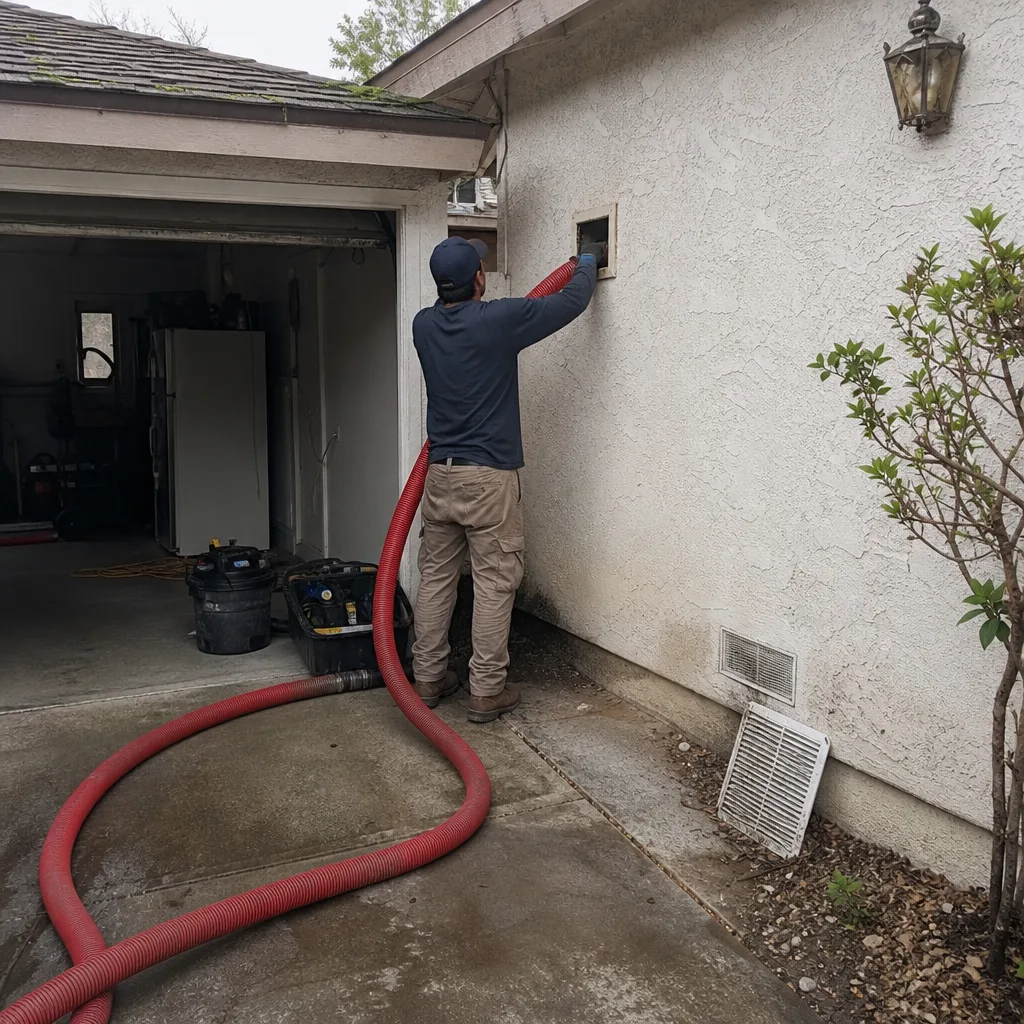 Before
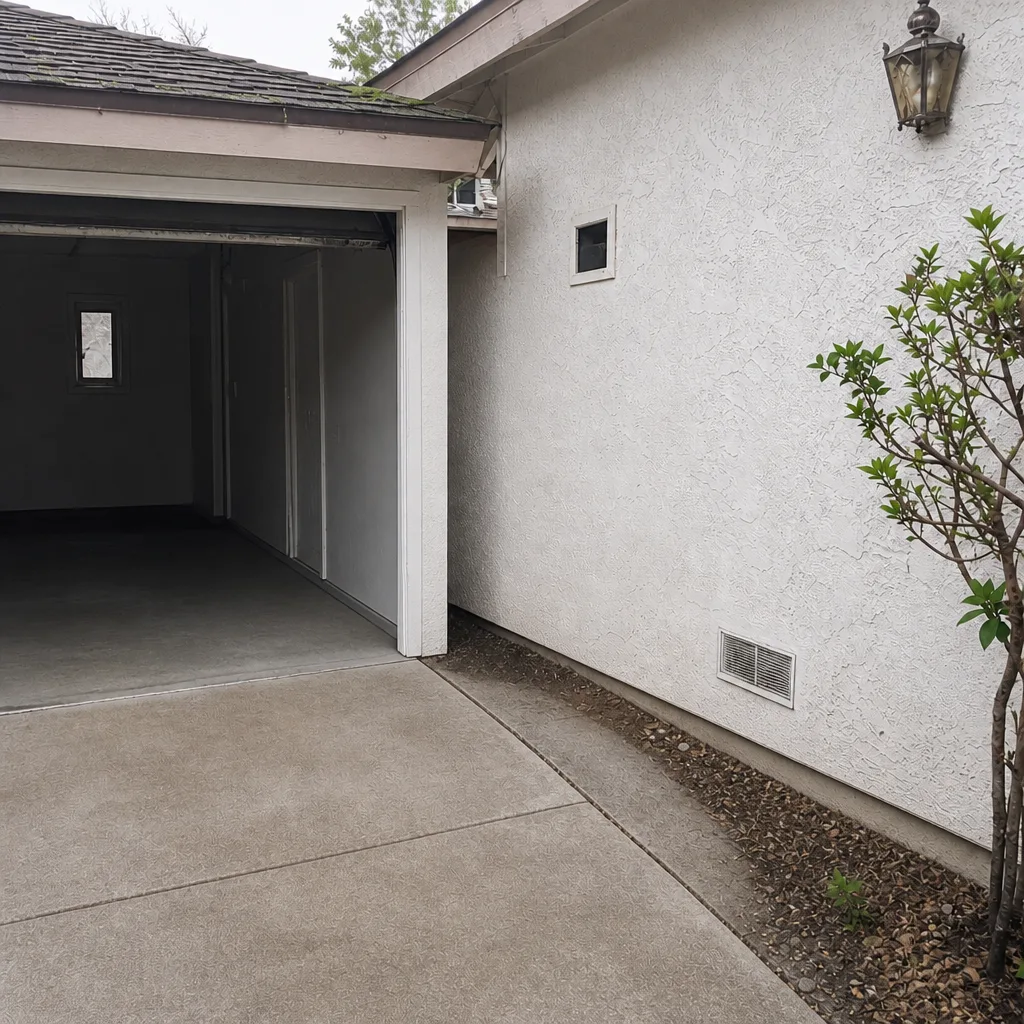 After
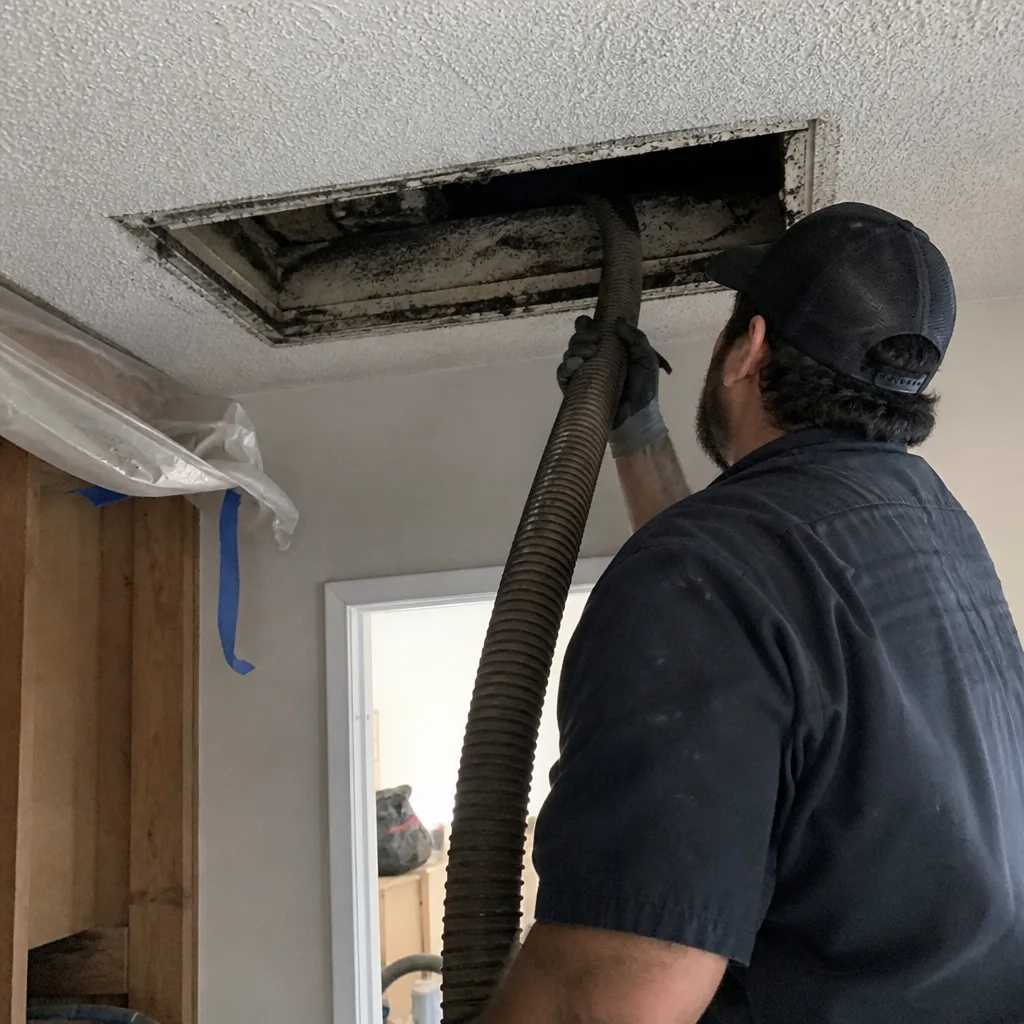 Before
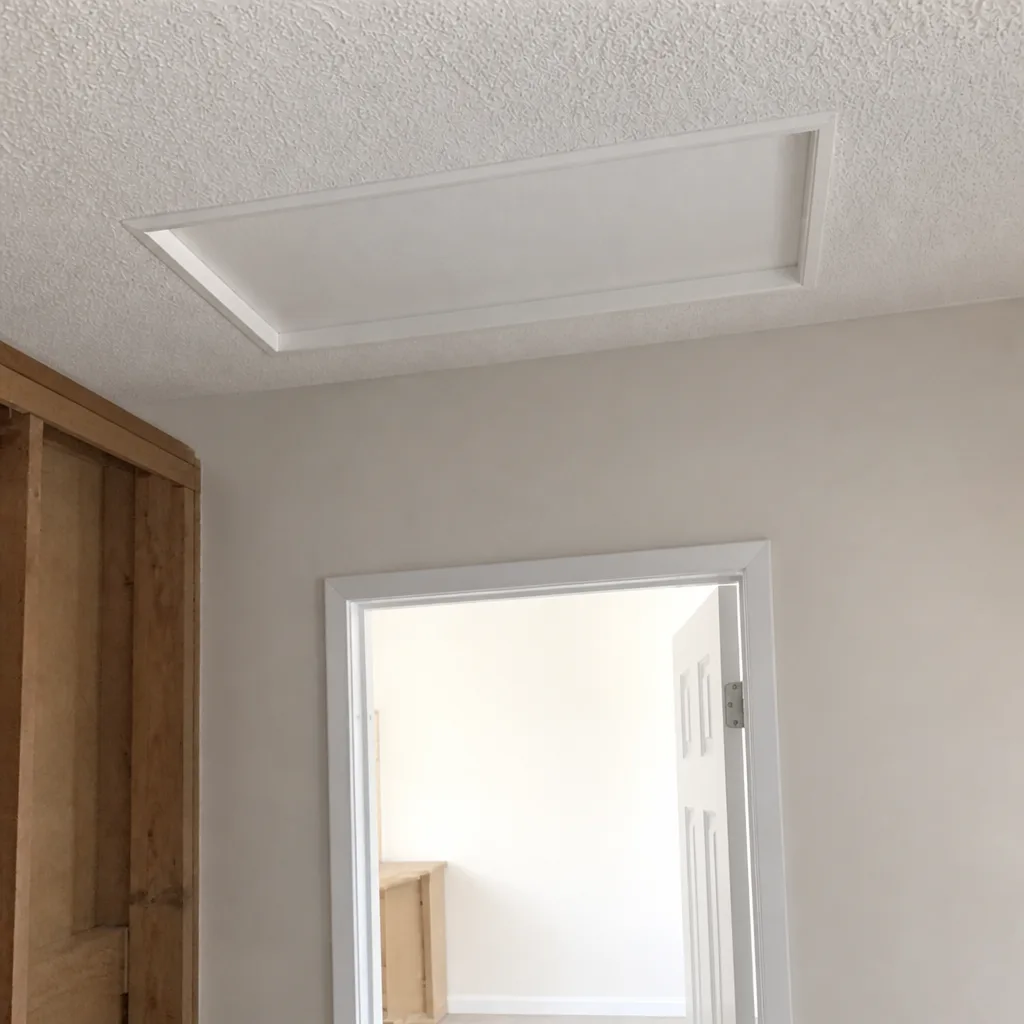 After
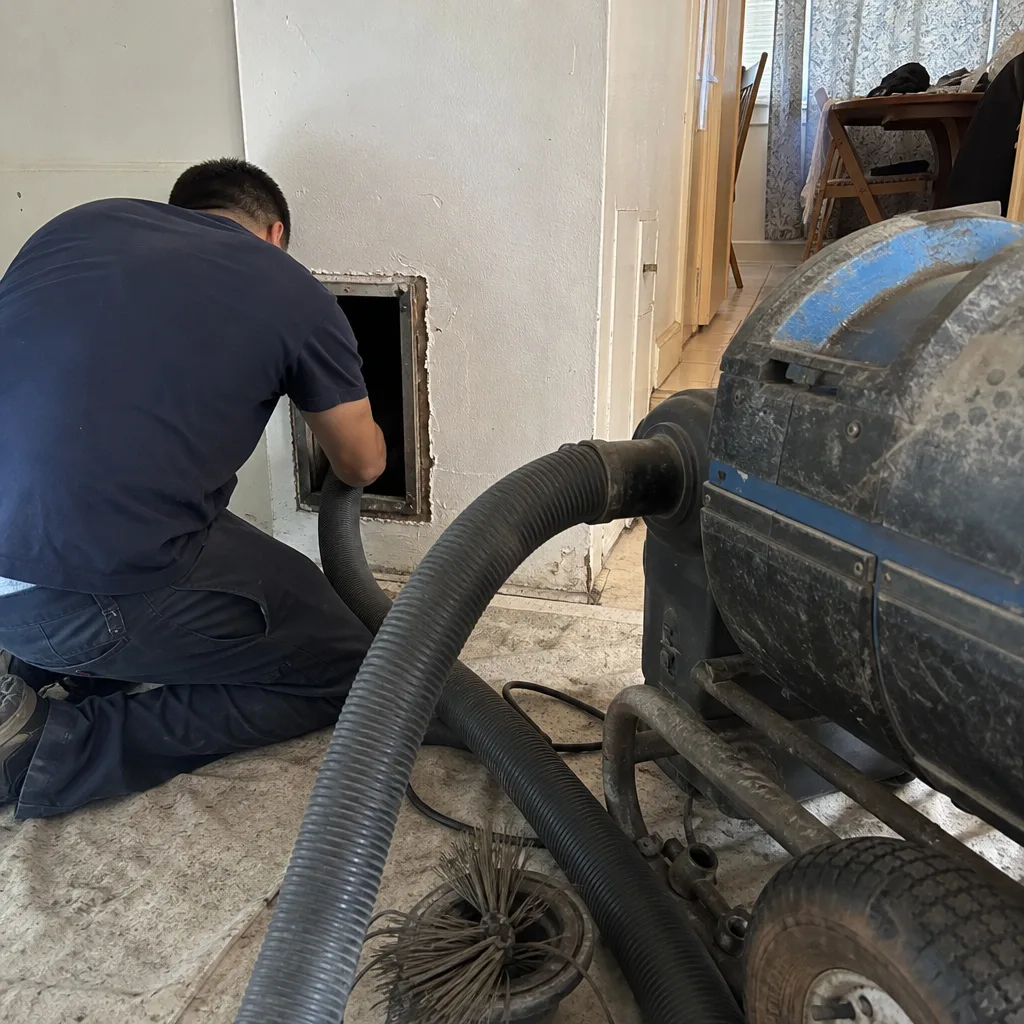 Before
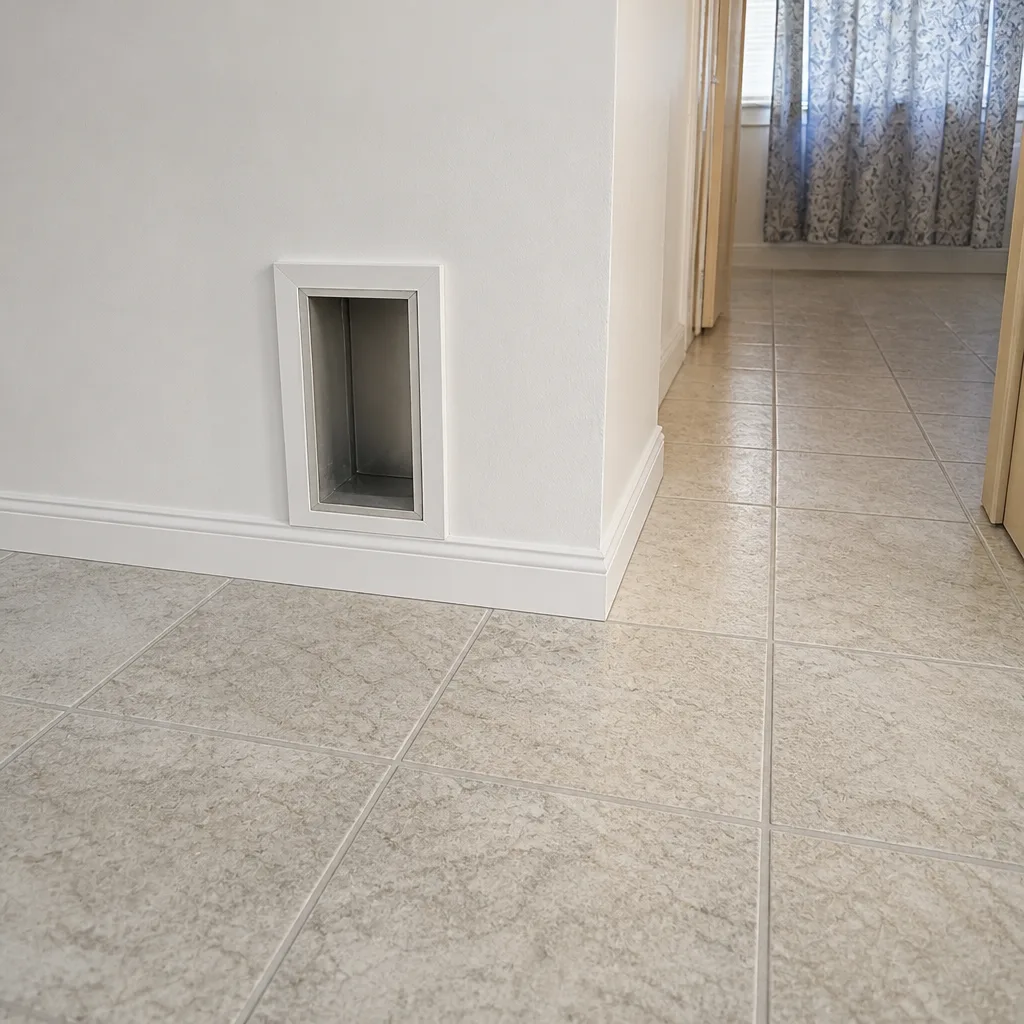 After