
Last updated November 4, 2026
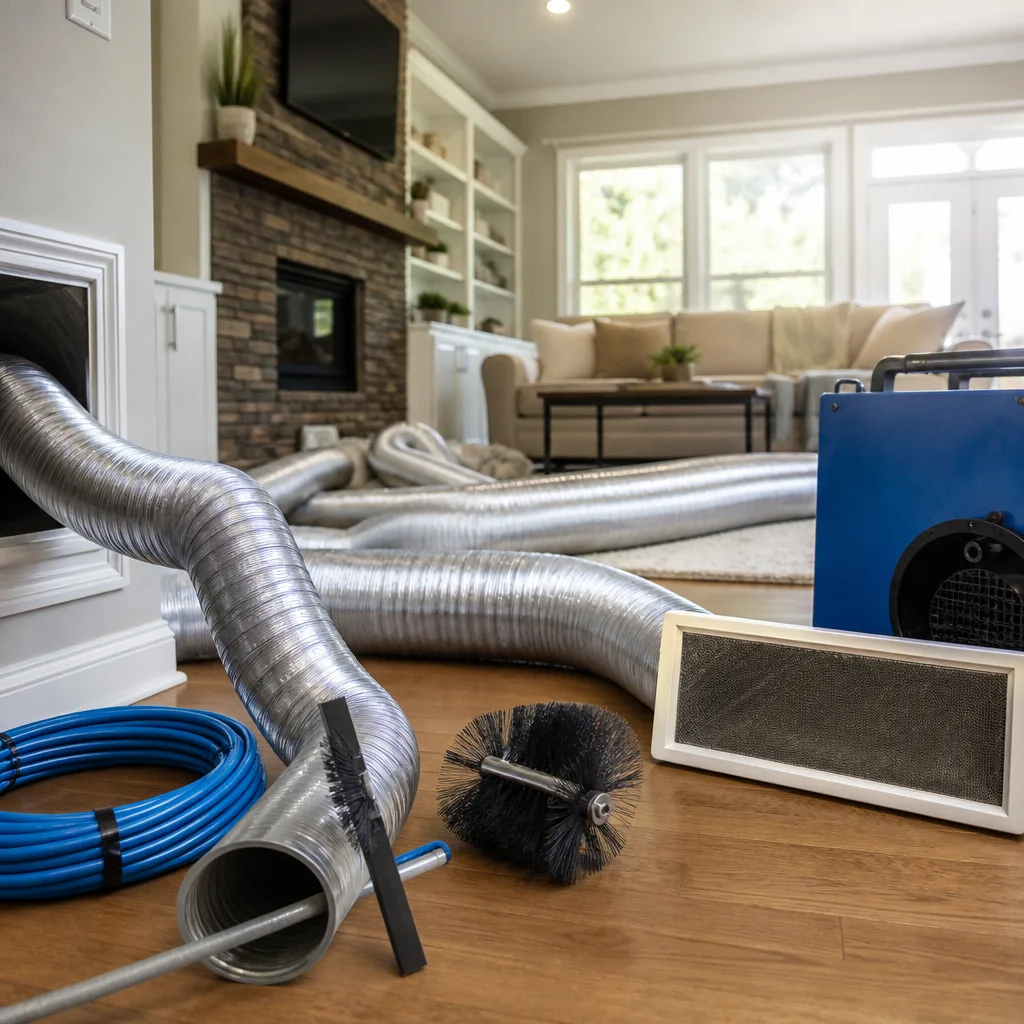 Whole-home duct cleaning
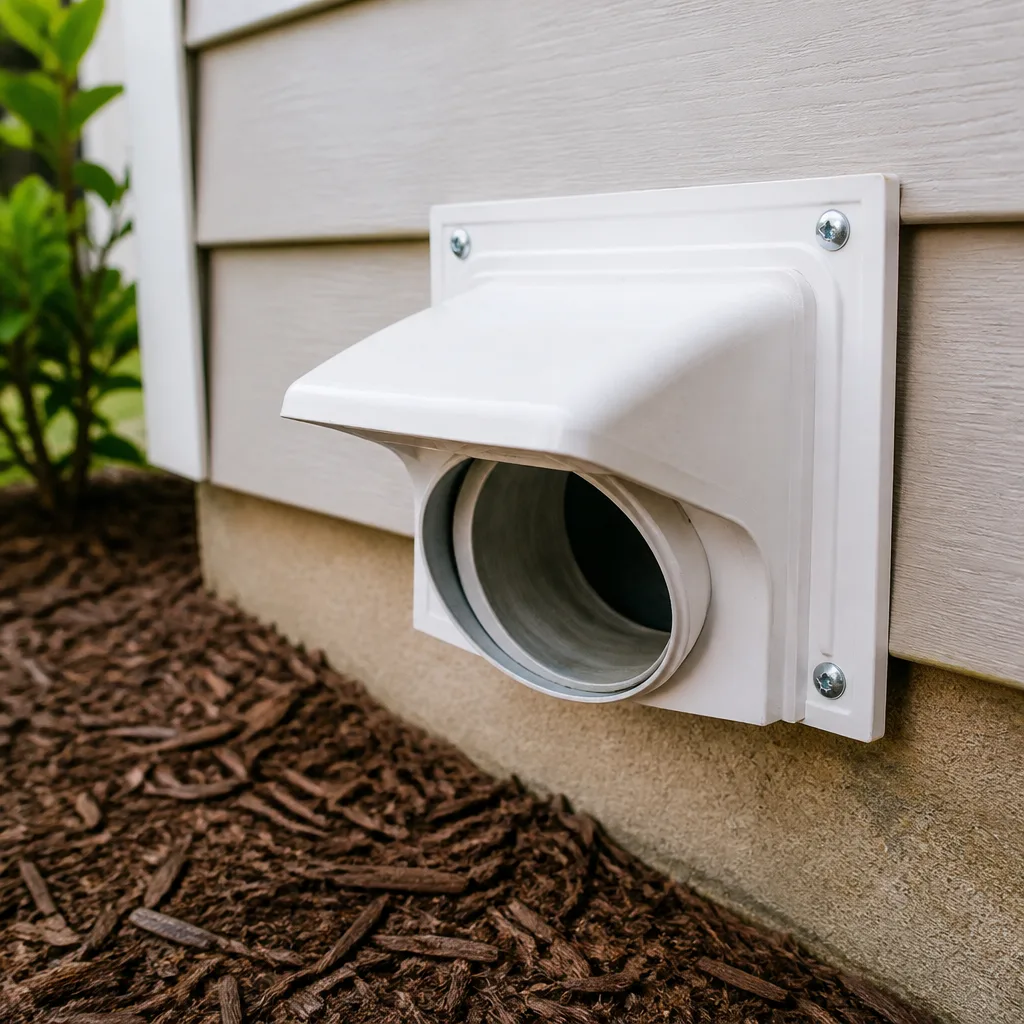 Dryer vent cleaning
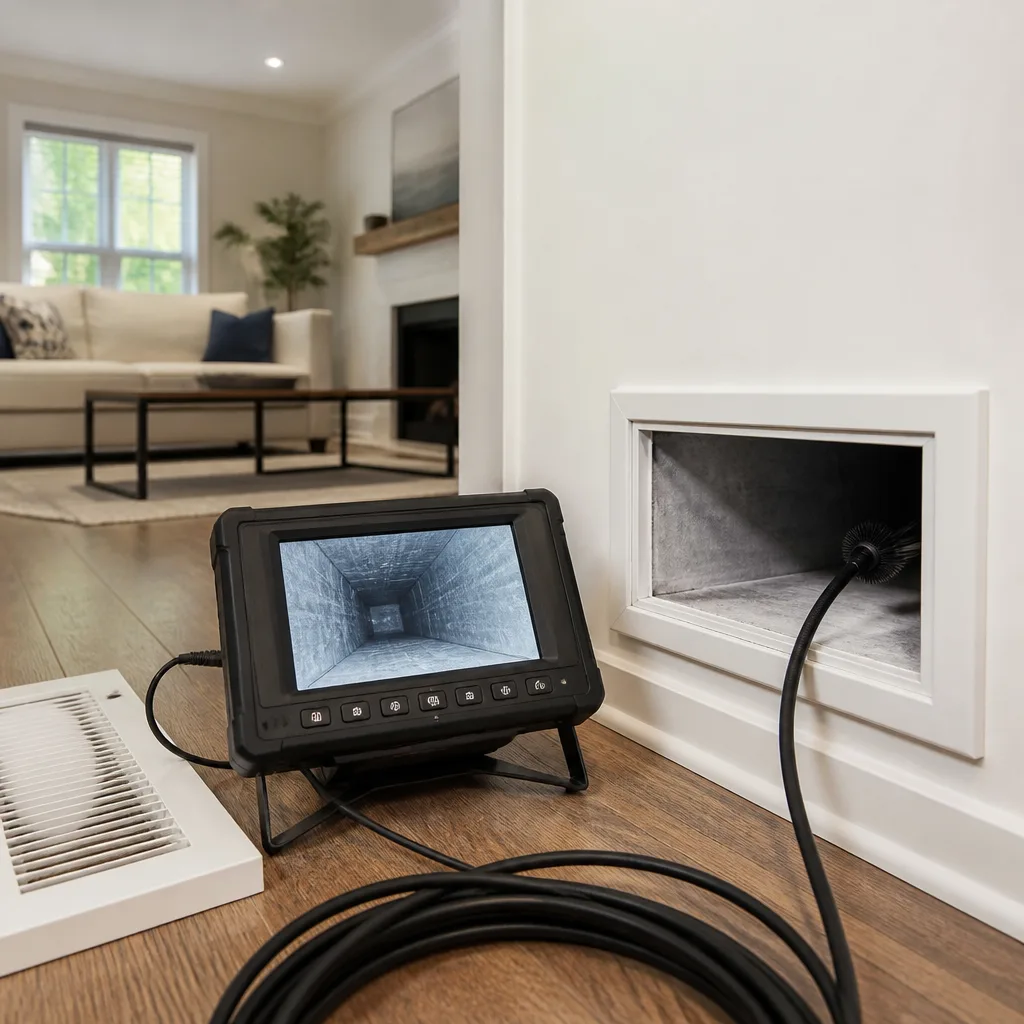 Camera inspection
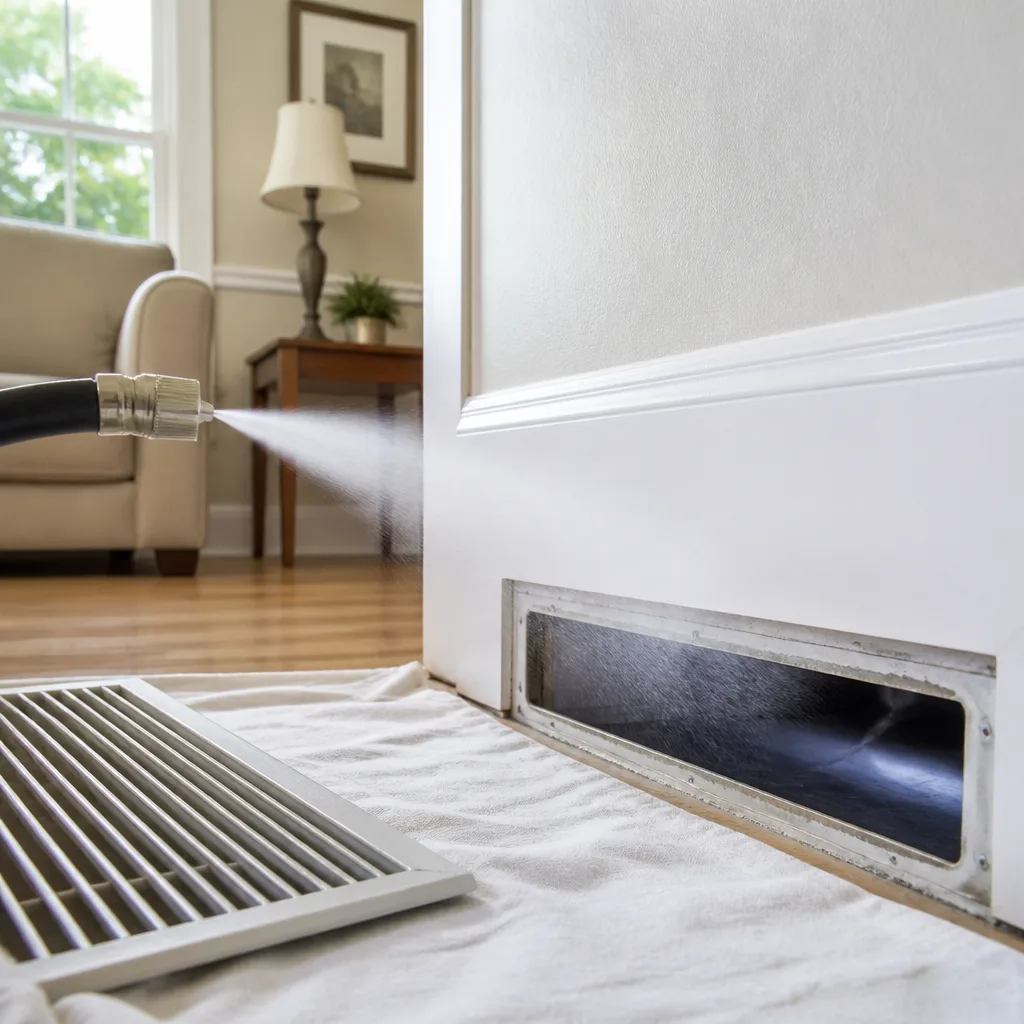 Sanitizing & deodorizing
Whole-system duct and dryer vent check with before-and-after photos - you see exactly what came out of your vents
That "$99 whole-house special" is a bait ad - the real number appears once they are in your hallway, or the "clean" is a shop-vac at the register. We photograph the inside of your ducts before and after instead.
Air Duct Cleaning Cost Breakdown: The Upland Homeowner’s Reference for 2026
The $89 duct cleaning special and the $800 professional clean are not the same service with a different markup. They involve fundamentally different equipment, different access points, and produce measurably different outcomes. The gap isn’t profit margin; it’s physics. This guide breaks down exactly what drives air duct cleaning costs in Upland, what each price tier actually delivers, and how to read a quote so you know whether you’re paying for real source removal or a cosmetic wipe-down of your register covers.
Quick Answer
Air duct cleaning in Upland typically costs between $300 and $800 for a whole-system clean of a single-family home, though you’ll see advertised specials as low as $99 and full commercial-grade remediation work exceeding $1,200. The single biggest driver of price is whether the contractor removes contaminants from the entire duct system under negative air pressure, or only cleans the accessible portions near your vents. Always request a written estimate that specifies access points, equipment used, and whether the return side is included.
Styles & brands we work with
- Whole-home duct cleaning
- Dryer vent cleaning
- Camera inspection
- Sanitizing & deodorizing
Table of Contents
- The Three Cost Tiers: What You Actually Get
- Per-Duct vs. Whole-System Pricing: How to Convert
- What Drives Price Variation in Upland Specifically
- Legitimate Add-Ons vs. Invoice Inflators
- How to Use Your Quote as a Vetting Tool
- Why Equipment Matters More Than Price
- Common Mistakes to Avoid
- When to Call a Professional
The Three Cost Tiers: What You Actually Get
Duct cleaning quotes in Upland tend to cluster into three distinct ranges, and the differences between them are not subtle. Each tier represents a fundamentally different scope of work, a different equipment class, and a different standard of verification. Understanding these tiers before you make calls will save you from comparing apples to tractor parts.
Tier One: The $99 to $199 Access-Point-Only Clean
This is the coupon special that shows up in your mailbox or on a flyer. Here’s what happens on these jobs: the technician arrives with a portable vacuum unit, often one that plugs into a standard 120-volt outlet and pulls air at maybe 1,500 to 2,000 CFM. They remove your register covers, vacuum the visible portion of each supply vent, and maybe wipe down the covers. The return side usually gets a cursory look, if any.
What you’re paying for is a cosmetic cleaning of the first 2 to 5 feet of each duct run. The equipment cannot generate enough suction or agitation to dislodge the dust and debris that’s accumulated deeper in the trunk lines. We’ve seen these jobs produce before-and-after photos that look impressive because the register areas were visibly dusty. But the footage never shows the main supply trunk or the return plenum, because those weren’t touched.
There is a legitimate place for this tier: a well-maintained system in a newer home where you just want a surface refresh. But be clear-eyed about what it isn’t. It is not source removal. It is not a full-system clean.
Tier Two: The $300 to $500 Partial Source Removal
At this level, the contractor typically uses a more powerful vacuum system, often truck-mounted or a larger portable unit rated at 4,000 to 6,000 CFM. They’ll cut access holes in the supply and return plenums, connect the vacuum to create negative pressure, and use agitation tools (rotary brushes, air whips, compressed air skippers) to dislodge debris through the full length of the duct runs.
The catch is in the details. Some operators at this price point will access the supply side but skip the return side, or vice versa. Others will clean the main trunk lines but skip the individual branch runs. The system may be put under negative pressure, but without adequate containment, dust can migrate into the living space during the process.
For a typical Upland home with a conventional forced-air system, this tier can deliver a genuinely meaningful improvement in airflow and dust reduction, provided the scope is clearly specified in writing. Ask whether the return side is included, whether branch runs are accessed individually or just from the trunk, and whether the blower compartment and coil are part of the scope.
Tier Three: The $600 to $1,200+ Full Commercial-Grade Source Removal
This is the standard that commercial and institutional facilities require, applied to a residential system. The equipment involved includes negative air machines that put the ductwork under true containment while HEPA-filtered air is exhausted. Brands like Abatement Technologies are associated with this level of work, the same gear used in hospital and remediation settings.
At this tier, every supply run, every return run, the plenums, the coil, the blower housing, and the registers are cleaned under controlled negative pressure. The contractor should provide camera documentation before, during, and after, showing the interior of your ducts throughout the process. This is the only tier where you genuinely see what was removed and what remains.
In Upland, this tier makes sense if you’ve had a significant contaminant event (a failed sewer line under the slab, a rodent infestation, a major renovation with drywall dust throughout the system), or if members of your household have documented respiratory conditions that warrant the cleanest possible indoor air. It is also the tier that carries the highest expectation of verification.
Per-Duct vs. Whole-System Pricing: How to Convert
Two contractors can quote the same job and present their numbers in ways that make direct comparison difficult. One says $35 per vent. Another says $450 for the whole system. Which is better? The answer depends on your floor plan, and on what each model hides.
Per-Duct Pricing: Simple Math, Careful Scrutiny
Per-duct (or per-vent) pricing counts each supply register and return grille and multiplies by a set rate. A 2,000-square-foot Upland home might have 8 supply vents and 2 returns, so at $35 per vent you’d be quoted $350. The model is easy to understand, which is part of its appeal.
The problem is that per-duct pricing incentivizes speed. The contractor gets paid per vent, not per hour, so the motivation is to move from one register to the next as quickly as possible. More importantly, per-duct pricing rarely accounts for the full length of the duct run behind each vent. A register that feeds a 30-foot branch run in a single-story Upland ranch costs the same to “clean” as one connected to a 6-foot run. The real work (main trunk lines, plenums, the coil) is often buried in the fine print or billed as an additional line item.
Flat-Rate Whole-System Pricing: Transparency with Scrutiny of Its Own
A flat-rate quote for the entire system, say $495 regardless of vent count, removes the piecework incentive. The contractor is paid for the outcome, not the count. This aligns their interest with yours: clean the whole system thoroughly and thoroughly enough that you don’t call them back.
But flat-rate needs scrutiny too. What does the flat rate actually include? Does it cover the return side? Is the coil part of the scope, or is that a separate charge? Does it include the blower cleaning, or is that quoted as an add-on once the technician is on site? A flat rate with a clearly itemized scope of work is the most consumer-friendly model in the industry. A flat rate that’s just a number with no definition is a placeholder for whatever the contractor can get away with.
Converting a Per-Duct Quote to a Whole-Home Estimate
Here’s a practical way to make quotes comparable. Count your registers. Walk the house and note every supply vent (usually on the floor in older Upland homes, on the wall near the ceiling in newer construction) and every return grille. Then ask the per-duct contractor these three questions:
- Does the per-vent price cover the interior surfaces of the entire duct run behind that vent, all the way to the trunk line, or only the visible portion near the register?
- Are the main trunk lines, supply plenum, return plenum, coil, and blower included in the per-vent rate, or are they separate line items?
- If the system is put under negative pressure during cleaning, what equipment is used to create that pressure, and how is it filtered?
Add the answers to your per-duct total. You’ll often find that a $35-per-vent quote that excludes the trunks, plenums, coil, and blower is actually more expensive than a $495 flat rate that includes everything, once you account for the add-ons. The math rewards the homeowner who asks.
What Drives Price Variation in Upland Specifically
Upland’s housing stock and regional climate create pricing dynamics that you won’t see in a generic national cost guide. These are the factors that actually show up in local quotes, and knowing them helps you understand why two homes on the same street can price out differently.
Single-Story vs. Two-Story Construction
Upland has a significant number of single-story ranch homes, particularly in the older neighborhoods west of Euclid Avenue, and a growing inventory of two-story homes in the newer subdivisions east of Mountain Avenue. The difference matters for duct cleaning because access is everything. In a single-story home with an attic, the ductwork is typically accessible from either the attic or the crawlspace. In a two-story home, the upstairs duct runs are often entombed between floors, accessible only through the registers themselves or through strategic access cuts. Longer tool runs and more difficult access translate directly to more labor, which translates to a higher quote.
Slab vs. Raised Foundation
This is one of the most overlooked cost drivers in Upland. Homes on raised foundations, common in the older neighborhoods near downtown Upland, route their supply ducts through the crawlspace. That crawlspace access is a blessing for duct cleaning because the main trunk lines are reachable from below. Homes on slab foundations, more common in newer construction, typically route ductwork through the attic or through chases between floors. Attic access is workable but hotter in summer (a real consideration for the crew working in 100-degree Upland afternoons), and slab-routed ducts below the first floor are the most difficult and invasive to access.
Original Metal Duct vs. Flexible Duct
Upland has a mix of housing vintages. Homes built in the 1950s through 1970s often have rigid galvanized metal ductwork. Metal ducts are durable and cleanable, but if they’ve never been sealed, they leak conditioned air into the attic or crawlspace, drawing in dust from those spaces through the return side. Homes built from the 1980s onward typically use flexible duct, which is cheaper to install but harder to clean without damaging. Rotary brush systems that work fine in metal ducts can tear flex duct if not operated with the right branch heads. A contractor who doesn’t distinguish between the two is either inexperienced or careless. Ask which type of ductwork your home has and what method will be used to clean it.
Upland’s Climate and Its Effect on Duct Contamination
Upland’s inland valley climate means long, dry summers with extended air-conditioning runs. Your HVAC system cycles frequently from May through October, pulling air across the coil and through the ducts for months on end. Dry conditions tend to create fine, powdery dust that recirculates if the return side isn’t properly filtered. The Santa Ana wind events in fall add another layer: fine particulates can enter the system through any gaps in the return plenum or duct joints, especially in older Upland homes that have never had their ductwork sealed. All of this means that an Upland home’s ducts tend to accumulate a specific kind of fine, clingy dust that responds well to agitation under negative pressure, and poorly to a simple vacuum pass.
Legitimate Add-Ons vs. Invoice Inflators
Every duct cleaning quote arrives with a menu of optional services. Some of these genuinely improve the outcome or address real problems. Others are designed to inflate the invoice without changing the result. Here’s how to tell the difference in Upland specifically.
Legitimate Add-Ons Worth Considering
- Mold treatment or antimicrobial application: If your system has documented microbial growth (visible on the coil or inside the plenums, or confirmed by testing), a professional-grade treatment applied after cleaning is legitimate. The key word is after. Applying an antimicrobial to a dirty duct is like painting over rust. The cleaning has to come first.
- Duct sealing (aerosolized or mastic): If your Upland home has original metal ductwork and your energy bills spike every summer, duct sealing addresses the root cause of energy loss and recontamination. This is the “job behind the job” that separates a one-time cosmetic clean from an actual improvement in system performance.
- Dryer vent cleaning: A dedicated service, not a duct-cleaning add-on. Lint accumulation is a leading cause of residential fires, and a dryer vent needs different equipment than an HVAC duct. If a contractor offers dryer vent cleaning as a legitimate standalone service with its own scope, that’s a sign they take the fire-safety aspect seriously. The phrase “dryer vents are a fire hazard, not a maintenance afterthought” captures the right posture.
- Coil cleaning: The evaporator coil sits above the air handler and is a magnet for the fine dust that makes it past the filter. A proper duct clean that skips the coil leaves a significant contaminant source in place. If your quote includes coil access and cleaning, that’s a meaningful addition to scope, not an upsell.
Add-Ons That Inflate the Invoice Without Adding Value
- Enzymatic fog sprays or “odor elimination” mists: Fogging a duct system with a scented or enzymatic spray after cleaning does not remove anything. It masks odors temporarily and adds a line item to the invoice. If odor is a real concern, find the source (often a dead rodent, a failed sewer vent, or mold on the coil) and address it directly.
- Register replacement as a standard add-on: Replacing all your register covers is a $50 trip to the hardware store. Some contractors quote it as a $200 “air quality upgrade” line item. It’s not.
- “Sanitizing” the ductwork with ozone: Ozone generators are controversial indoors, and no national industry standard recommends routine ozone treatment of residential duct systems. Skip it.
- Sticker shock anchors on the initial quote: Be wary of an initial quote that comes in suspiciously low, followed by a list of “recommended additional services” that multiply the total by three or four. This is the classic bait-and-switch structure, and it’s the main reason Duct Cleaning Upland exists: to do the job right the first time, with the scope in writing before work starts.
How to Use Your Quote as a Vetting Tool
A written quote is more than a price. It’s a window into how the contractor thinks about the work. A competent operator can explain, line by line, why their price is what it is. A contractor who can’t, or who gets defensive when you ask, is telling you something important. Here’s how to read a duct cleaning quote in Upland like a pro.
The Six Questions Every Quote Should Answer
- What equipment will be on the truck? If the answer is vague (“professional vacuums” or “the tools we need”), that’s a flag. Ask for brands. Rotobrush and Nikro are recognized names in professional duct cleaning, and Abatement Technologies is associated with negative-air containment work. A contractor who names their equipment is one who’s proud of it. “You can see the difference in our equipment” is a phrase that should feel true on arrival.
- What is the scope, exactly? Does the quote list the supply side, return side, plenums, coil, blower, and registers separately or as included? If the coil is omitted, that’s a gap. If the return side is “not typically included,” that’s a red flag, since the return side carries more dust than the supply side in most homes.
- How will access be made and sealed? Professional source removal requires cutting access holes in the plenums, then patching them with proper caps after the work. A contractor who says they clean “through the registers only” is not doing source removal.
- Will there be camera documentation? The only way to verify that cleaning actually occurred deep in the system is with before-and-after camera footage of the interior of the ducts. If a contractor cannot show you this, they cannot prove they did the job they’re quoting.
- How is dust contained during the process? Negative air pressure with HEPA filtration, or a powerful vacuum exhausted outside, keeps dislodged dust from being blown into your living room. A shop vac does not.
- What does the final price include? The written estimate should state the total, the scope, and any exclusions, in plain language. “Estimates are free and the price is set per job by the written estimate” is a fair standard, and any contractor who resists putting numbers in writing is one to avoid.
Why Equipment Matters More Than Price
Here’s the reality that most Upland homeowners don’t hear until after a bad experience: the difference between a $150 duct cleaning and a $500 duct cleaning is not primarily labor cost. It’s equipment class. A portable vacuum unit that runs on a 15-amp circuit cannot generate the airflow needed to pull contaminants from a 30-foot duct run. It’s a physical limitation, not a training issue.
Commercial-grade duct cleaning systems, the equipment used in institutional and remediation settings, pull 4,000 to 6,000 CFM or more. That airflow, combined with proper negative-air containment, physically removes debris that a consumer-grade vacuum simply cannot move. Brands like Rotobrush and Nikro are purpose-built for this work, with rotary brush assemblies and air whips designed to agitate dust without damaging the duct interior. Abatement Technologies equipment is associated with the containment and negative-air pressure standards used in serious indoor air quality remediation, where preventing cross-contamination is the primary objective.
This is the gap between “commercial-grade equipment in residential homes” and the coupon operators. The equipment isn’t a marketing gimmick; it’s the mechanism by which the promised outcome is or isn’t achieved. When you evaluate a quote, ask what machine will be doing the work. If the contractor can’t tell you, they’re telling you something.
There’s also a full-system dimension here. Some Upland homes benefit from more than a cleaning. If your return side is pulling dust from the attic through leaky joints, cleaning the ducts is a temporary fix. The structural issue remains. That’s where air duct cleaning needs to be paired with air duct repair, which addresses the gaps, leaks, and contamination entry points that cleaning alone can’t fix. “Clean ducts and a plan to keep them clean” means thinking about the system, not just the service visit. That plan often includes dryer vent cleaning as a separate, fire-safety-driven service, and in some cases, installing or servicing a Honeywell or Aprilaire air quality system that gives you ongoing filtration between professional cleanings.
Common Mistakes to Avoid
- Choosing a quote based on price alone without comparing scope: A $149 quote that cleans register-adjacent surfaces is more expensive per unit of actual cleaning than a $495 quote that removes debris from the full system. Compare scopes, not numbers. If the scope isn’t in writing, assume it doesn’t exist.
- Skipping the return side: In Upland homes with leaky return plenums, the return side pulls dust from the attic or crawlspace into the system every time the blower runs. A supply-only clean leaves the system’s major contaminant source untouched. Ask specifically whether the return side is included, and if it isn’t, ask why.
- Assuming the low advertised price is the final price: The classic pattern is a low anchor price followed by add-ons: coil cleaning, “sanitizing,” register replacement, a laundry list of extras that triple the total. The antidote is a written estimate with the full scope and total before you book. If the contractor won’t provide one, walk.
- Not asking about equipment before the crew arrives: You have a right to know what machine will be working in your home. The equipment brand and type tells you more about the likely outcome than any sales pitch. A contractor who deploys Rotobrush or Nikro systems and can explain why they chose that tool for your duct type (metal vs. flex) is demonstrating competence.
- Confusing duct cleaning with HVAC maintenance: Duct cleaning removes accumulated debris from the distribution system. It is not a replacement for regular filter changes, coil inspection, or blower maintenance. A home with an unusually dirty system may need both. Upland’s long cooling season means blower motors run hard from May through October, and dust accumulation has real aerodynamic consequences.
- Accepting before-and-after photos of registers only: Photos of a clean register cover prove a register cover was cleaned. Insist on interior camera footage of the trunk lines and branch runs, before and after. This is the only documentation that proves the job you’re paying for was actually done.
- Not addressing structural duct issues before cleaning: If your Upland home has original metal ductwork with unsealed joints, cleaning the inside of the ducts without sealing the leaks is an incomplete job. The leaks remain, drawing dust and conditioned air into the wrong places. Air duct repair as a standalone service exists to address exactly this: the structural cause of contamination and energy loss.
When to Call a Professional
Call a professional duct cleaning company when you can see dust accumulating on surfaces within days of cleaning, when family members experience worse allergy symptoms indoors than out, or when you notice musty odors that appear only when the HVAC system runs. If you’ve recently completed a renovation that generated drywall dust, or if you’ve had a rodent or pest issue in the attic or crawlspace, the system should be inspected and cleaned before you continue breathing through it. If you can’t remember the last time the ducts were cleaned, or you’ve owned the home for years and never had it done, consider an inspection with camera documentation. For an honest evaluation of what your system actually needs, call (855) 382-4830. We answer 24/7. Fast dispatch from 7am to 7pm, Sunday through Friday.
See the difference
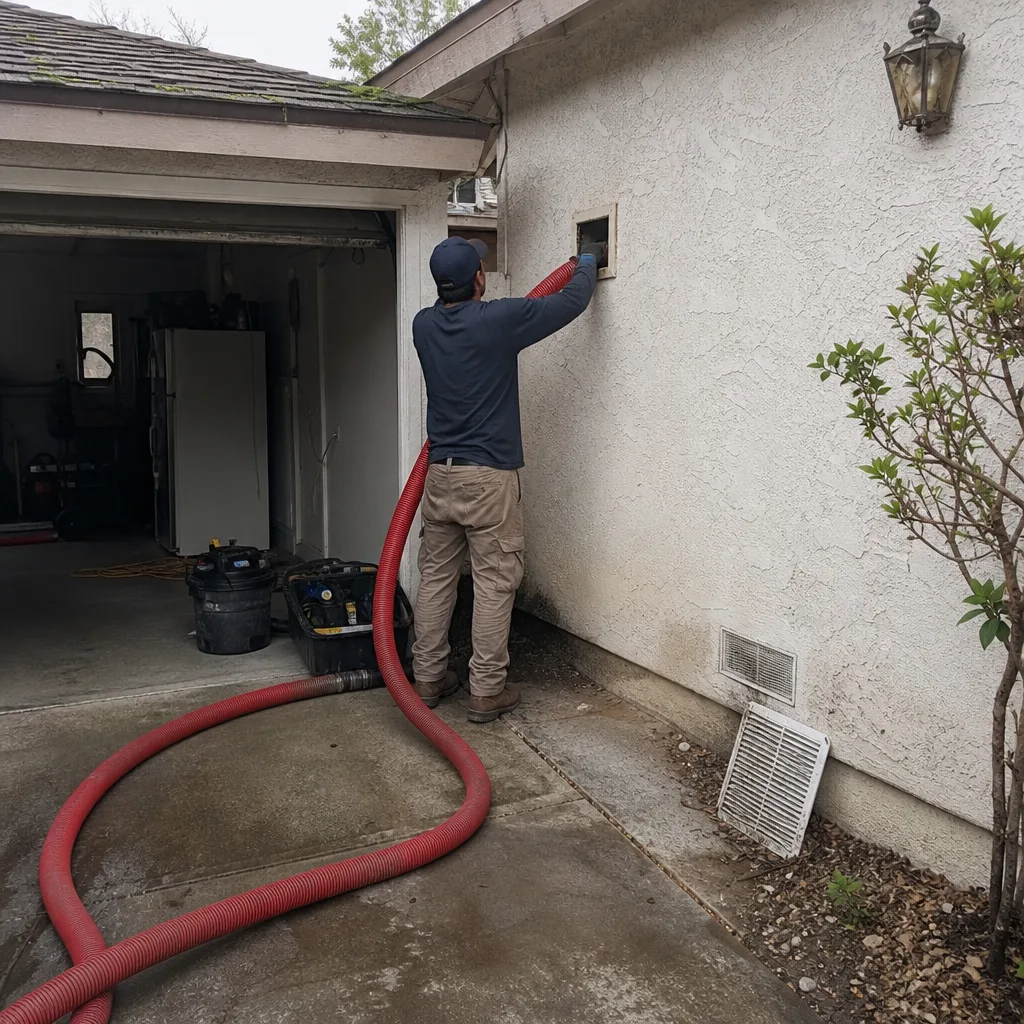 Before
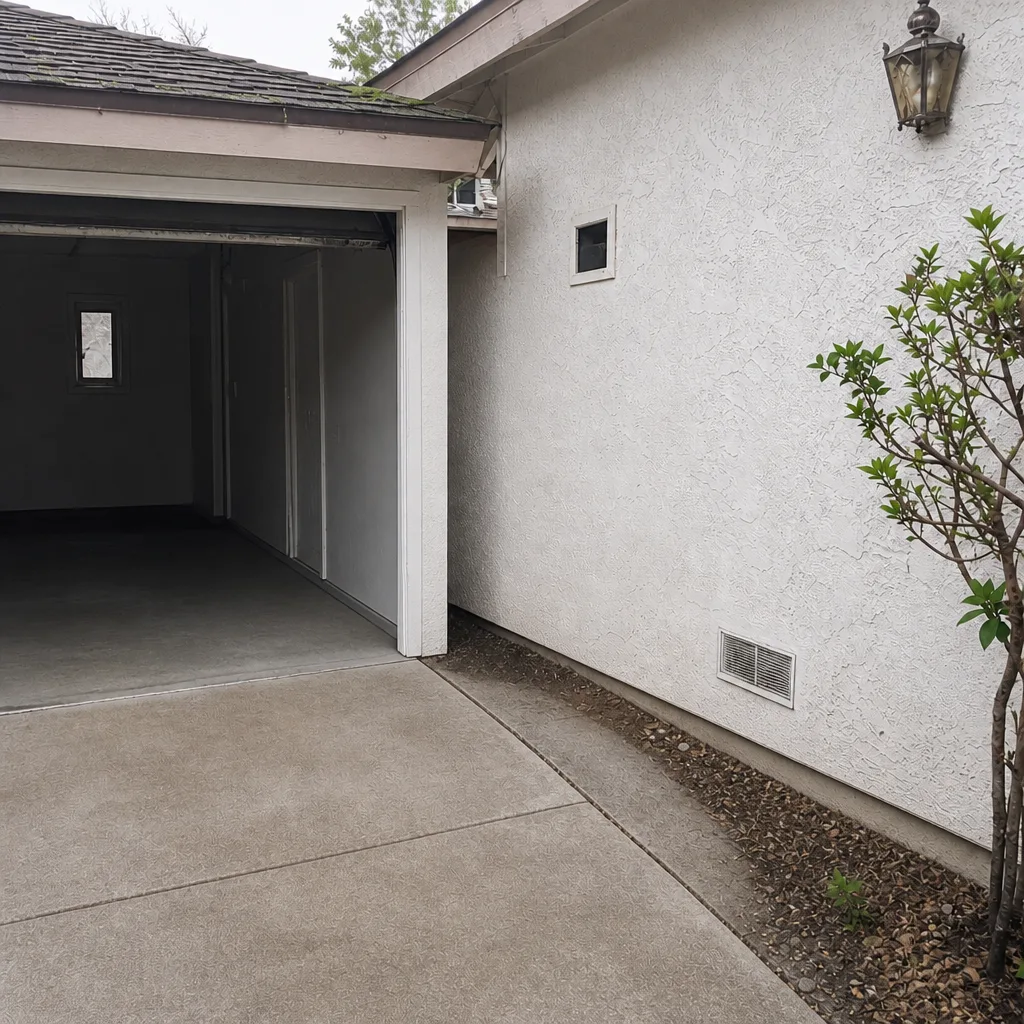 After
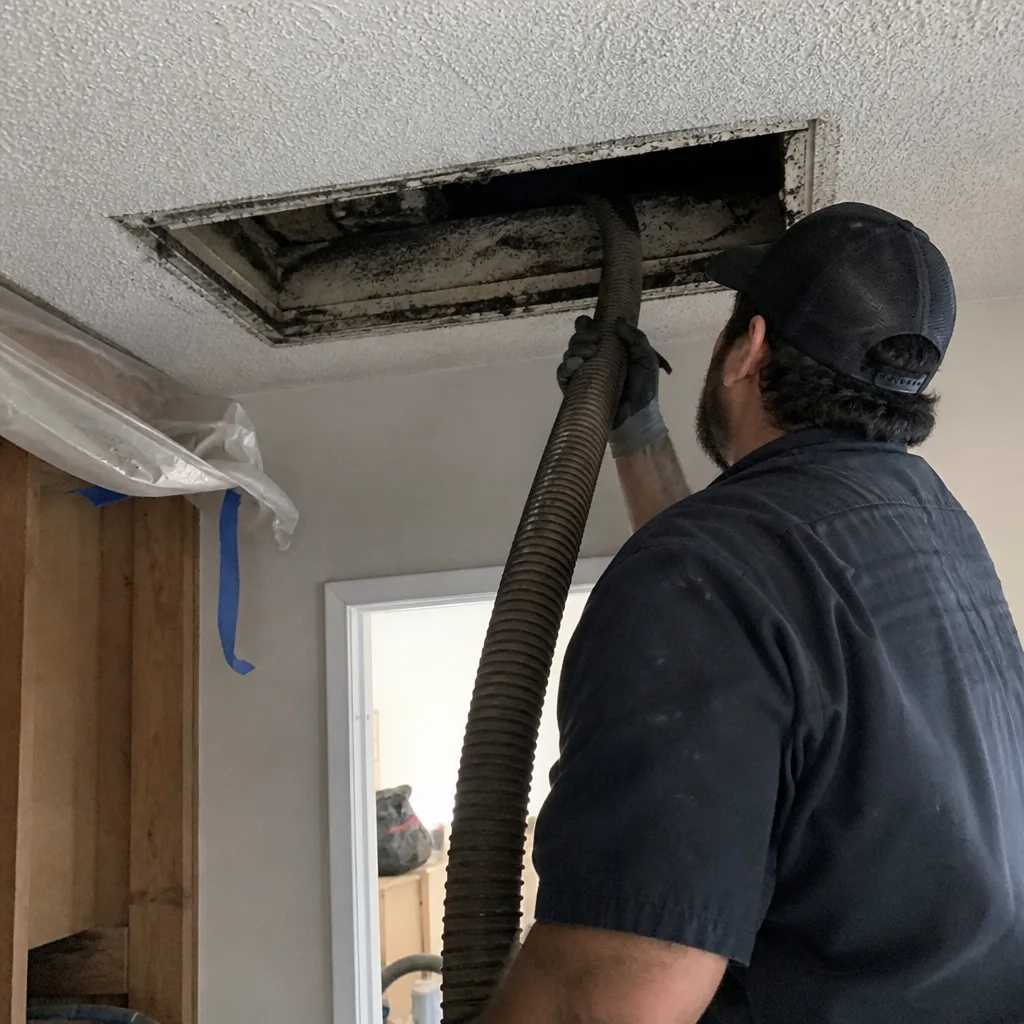 Before
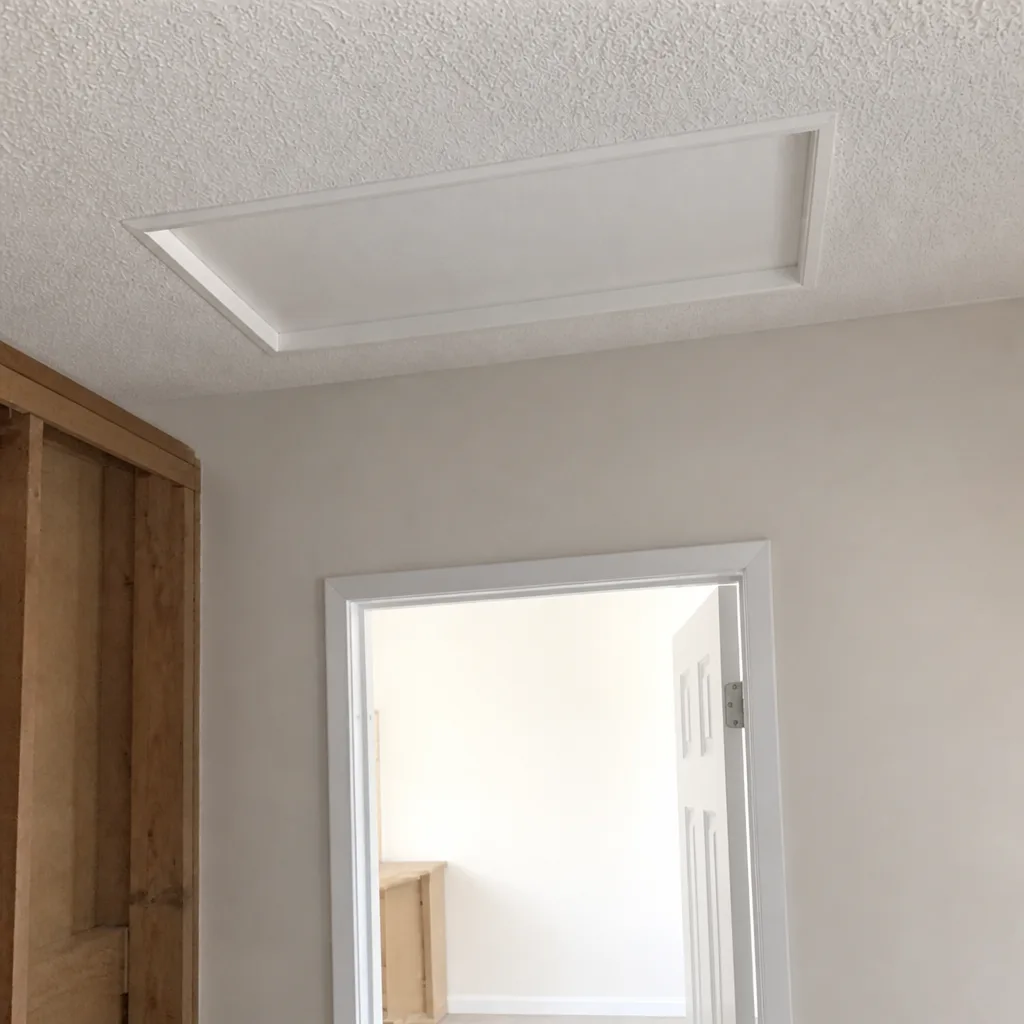 After
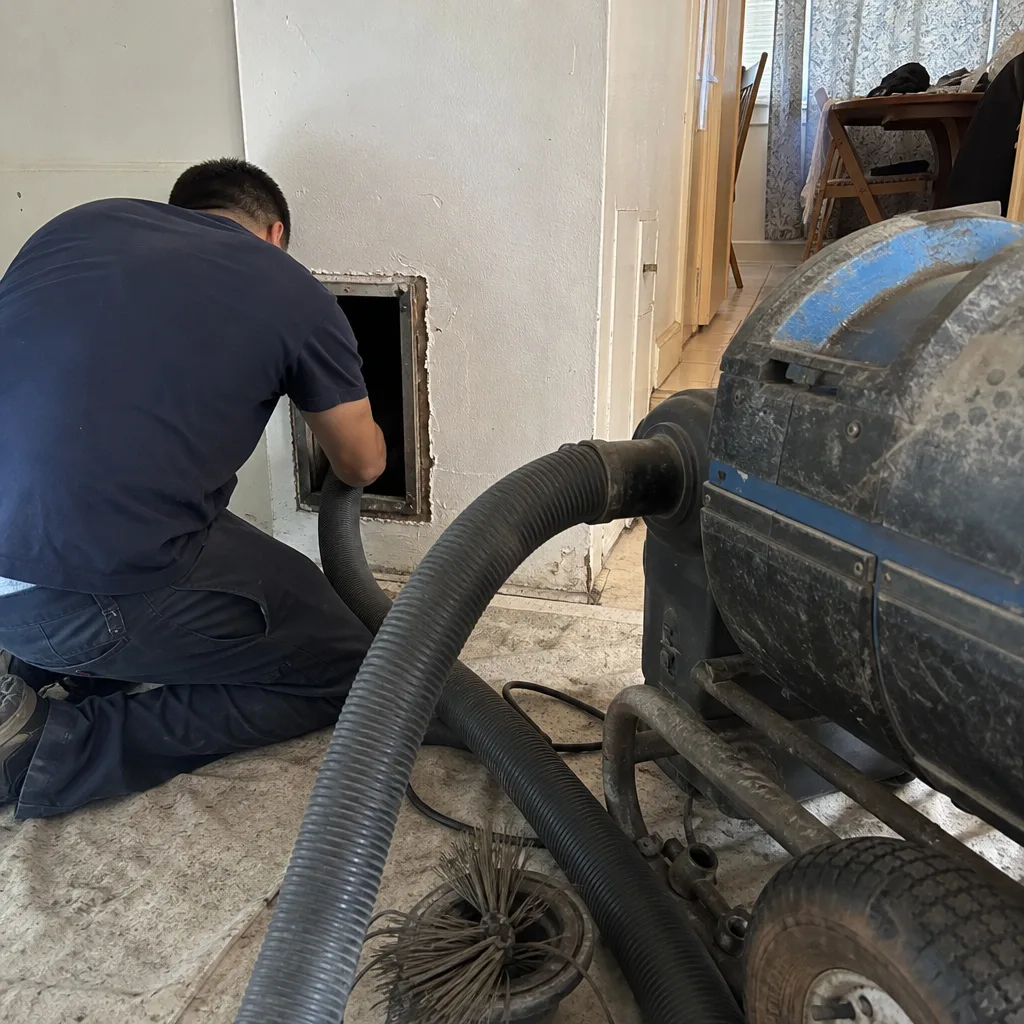 Before
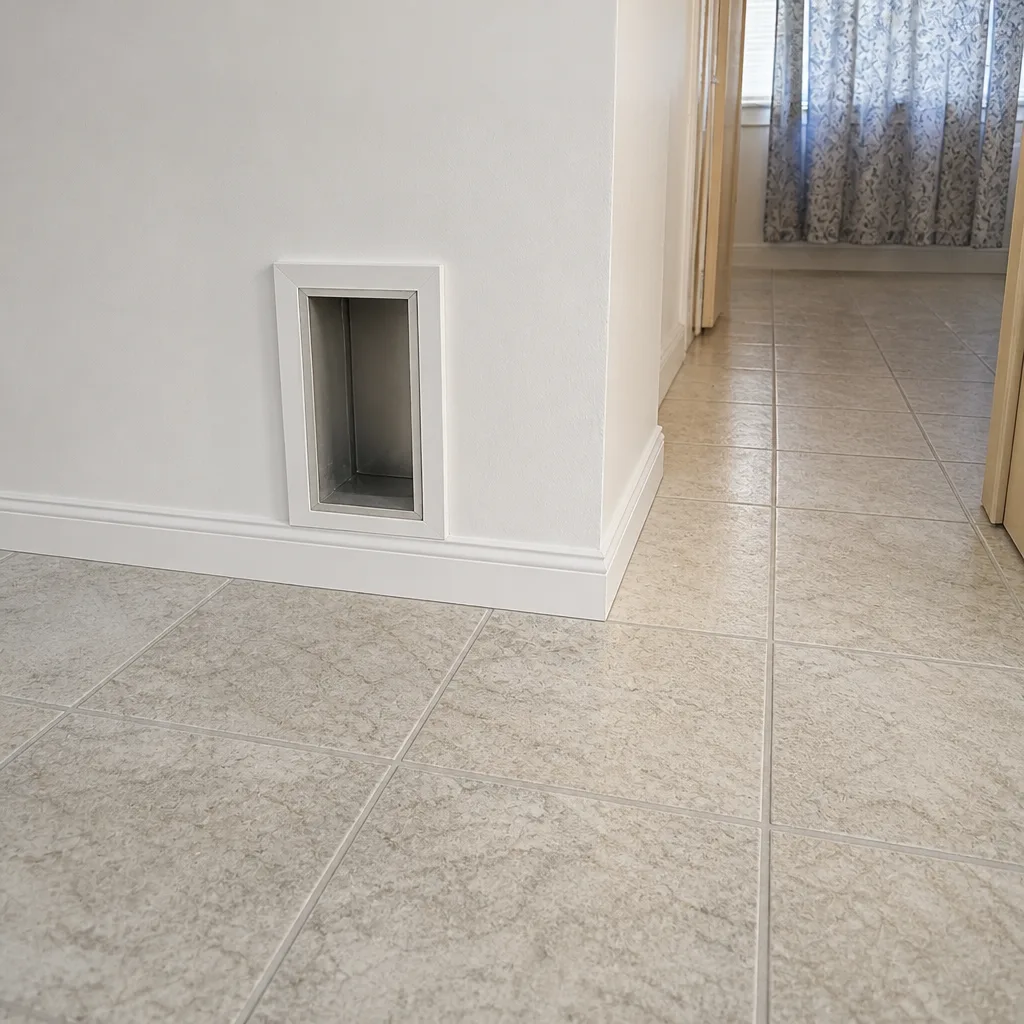 After
Frequently Asked Questions
Expect to pay between $300 and $500 for a legitimate whole-system cleaning of a typical single-family home in Upland, with full commercial-grade source removal ranging from $600 to $1,200 or more depending on home size, duct configuration, and access difficulty. The $99 to $199 advertised specials are access-point-only cleans that do not remove debris from the full duct system.
The cheap quotes are usually for access-point-only cleaning with portable vacuum equipment that cannot generate the airflow needed for source removal. The expensive quotes often involve negative-air containment, agitation tools like rotary brushes or air whips, camera documentation, and coil/return inclusion. The price difference maps to equipment class and scope, not markup. Call (855) 382-4830 and we’ll explain exactly what our scope includes, in writing, before any work is scheduled.
Insist on before-and-after camera footage of the interior of your ductwork, including the main trunk lines and branch runs, not just photos of register covers. A contractor who can provide this documentation is proving their work. If they cannot or will not, that’s a reason to seek another quote.
For most Upland homes, every 3 to 5 years is a reasonable interval if the system is properly filtered and no contamination event has occurred. Homes with pets, smokers, recent renovations, or documented rodent activity may need more frequent cleaning. Ask your contractor to recommend an interval based on what they see in your system, not a one-size-fits-all schedule.
Duct cleaning removes accumulated dust and debris from the interior surfaces of the duct system. Air duct repair addresses structural problems: gaps, leaks, disconnected joints, and holes that allow dust and unconditioned air into the system. In older Upland homes with original metal ductwork, both may be needed for a lasting result. Cleaning alone cannot fix a leaky duct system.
A homeowner with a shop vac and a lot of patience can clean the visible portions of register covers and the first few inches of a duct run, but without professional-grade airflow and agitation equipment, the deep contamination stays in place. Agitation tools used incorrectly can also damage flexible duct, leading to costly repairs. For a result you can verify with camera footage, a professional service is the realistic option. Estimates are free, so there’s no cost to getting an expert eye on your system: call (855) 382-4830.
The Bottom Line
Air duct cleaning in Upland is priced the way it is for reasons that hold up under inspection. The gap between a $149 special and a $600 professional clean is equipment class, scope, and verification, not greed. A homeowner who understands the three cost tiers, who asks about access points and coil inclusion, and who insists on camera documentation will almost never overpay for duct cleaning. The goal isn’t the cheapest quote. It’s a clean system and proof that the work was done. Upland homeowners deserve both, in writing, before the van arrives.
Written by the team at Duct Cleaning Upland, serving Upland since 2012.