
Last updated November 4, 2026
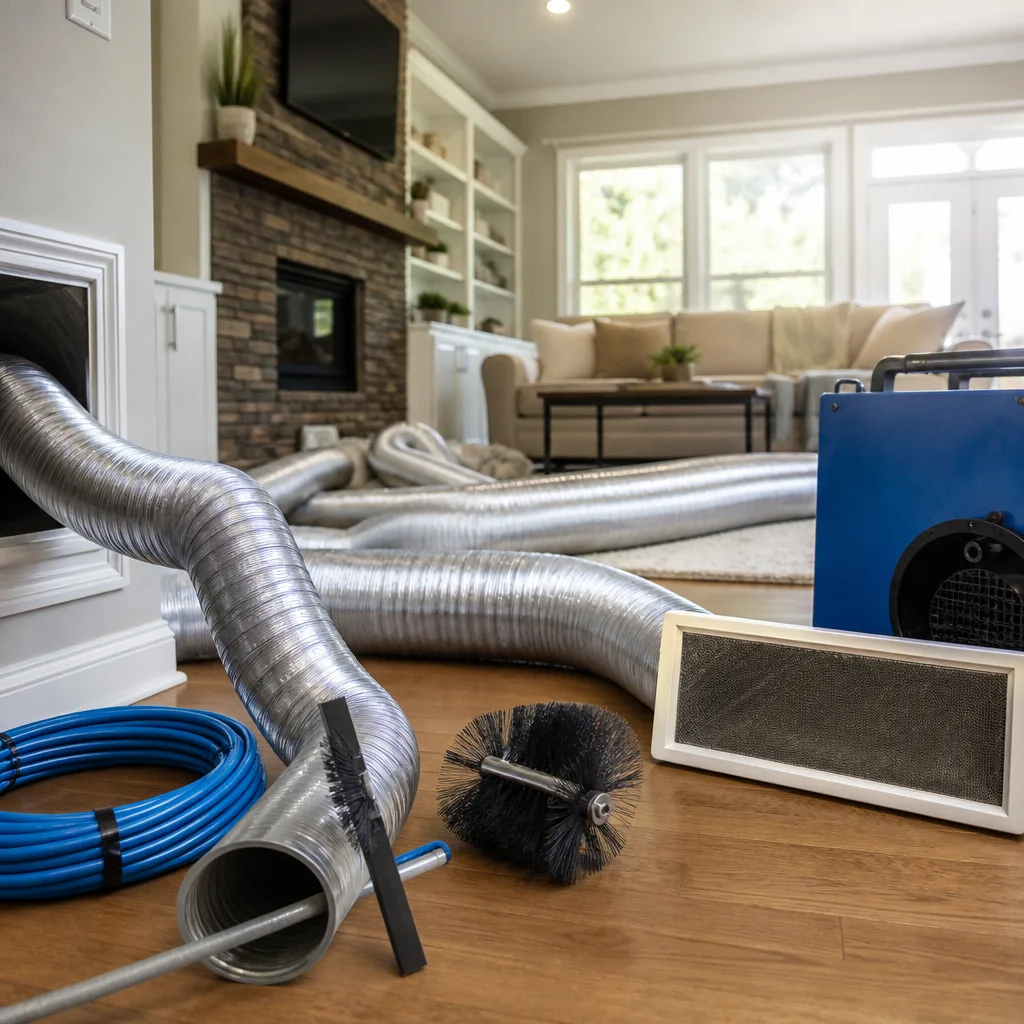 Whole-home duct cleaning
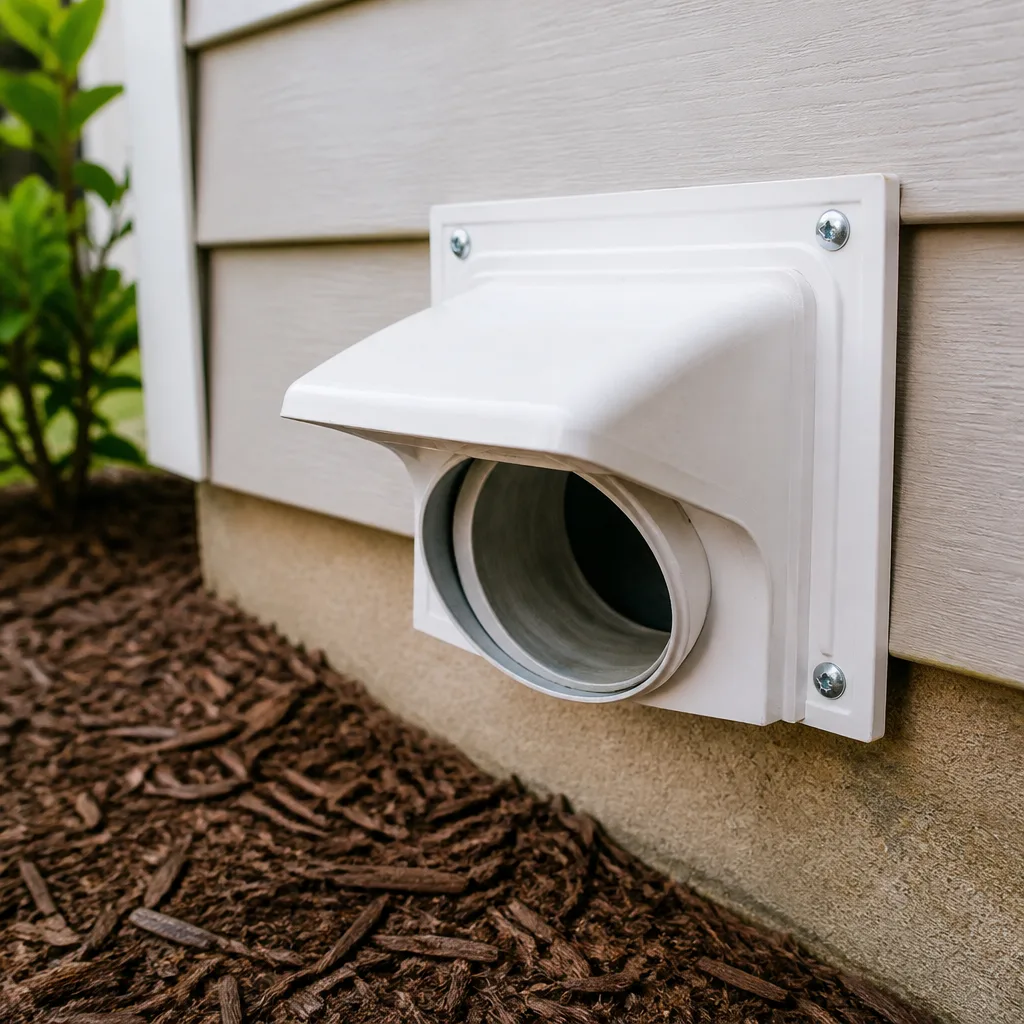 Dryer vent cleaning
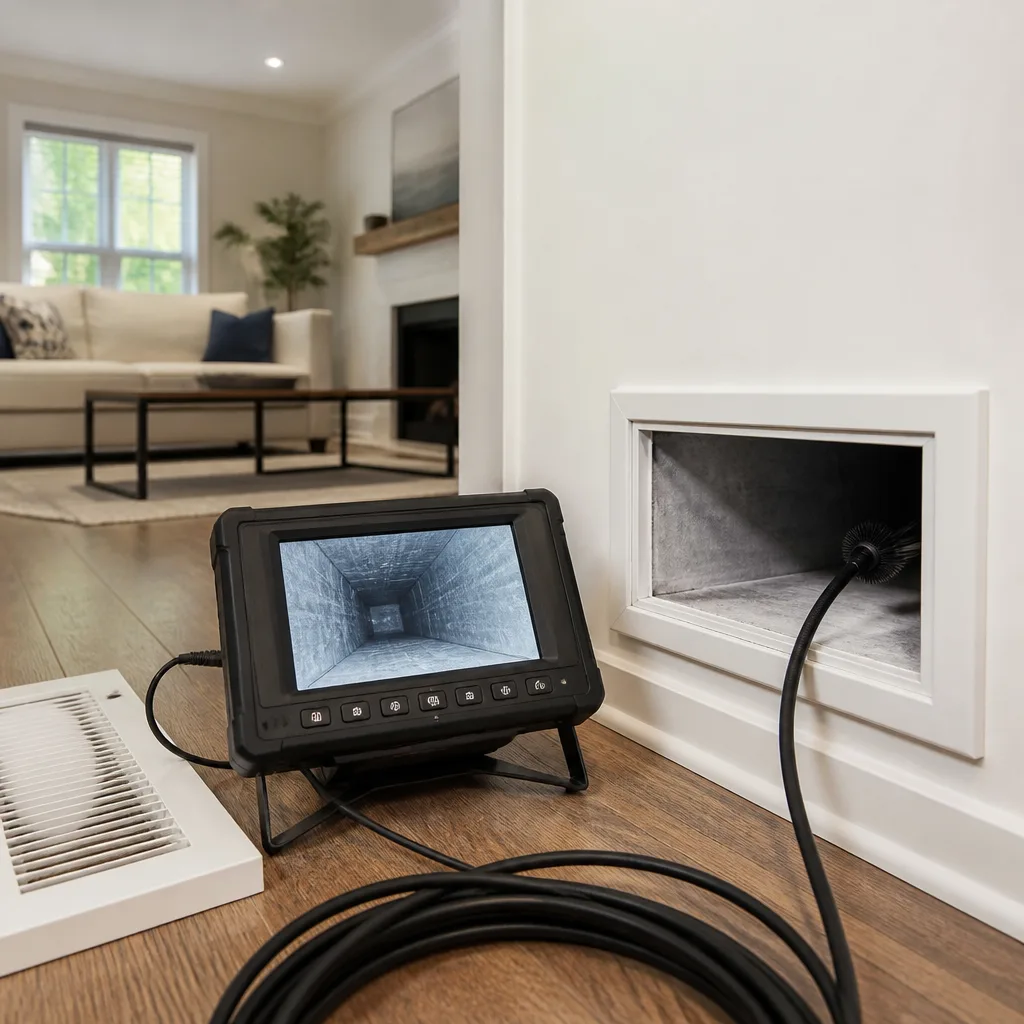 Camera inspection
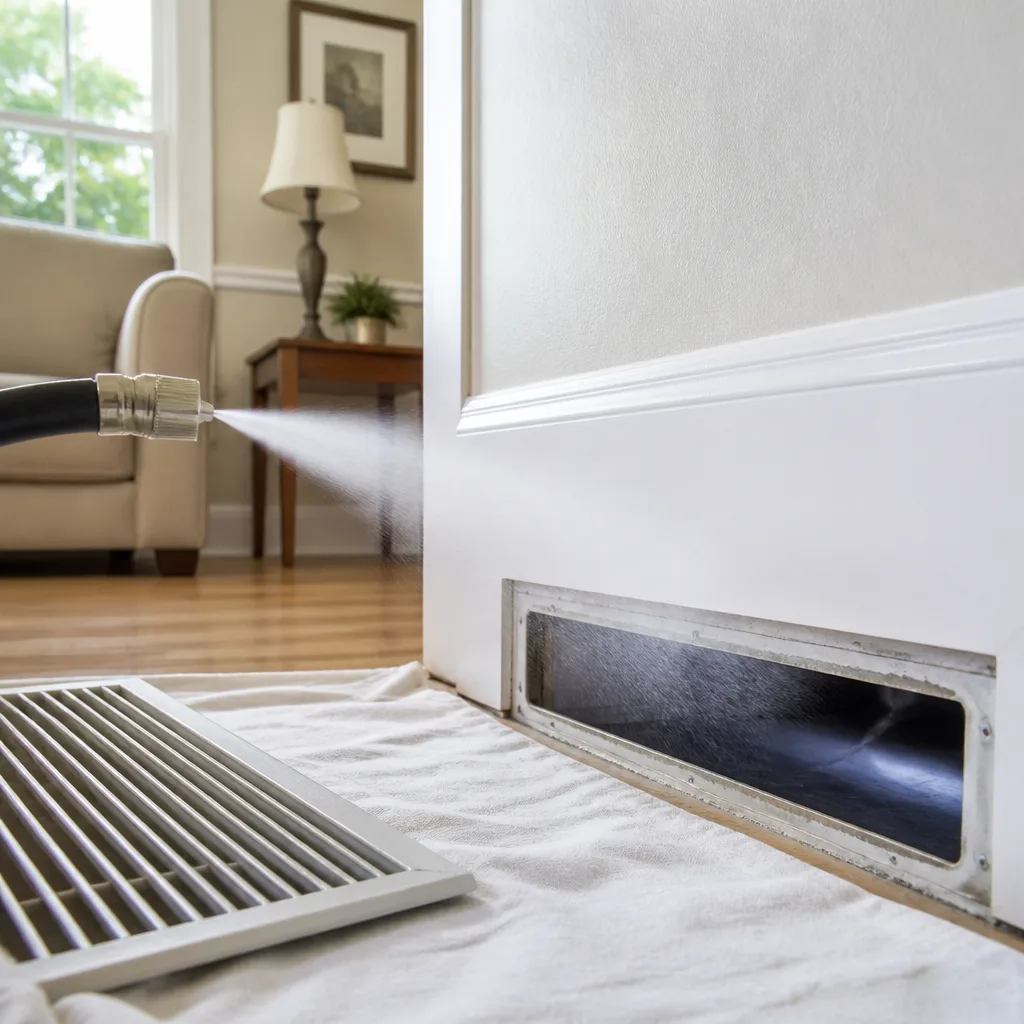 Sanitizing & deodorizing
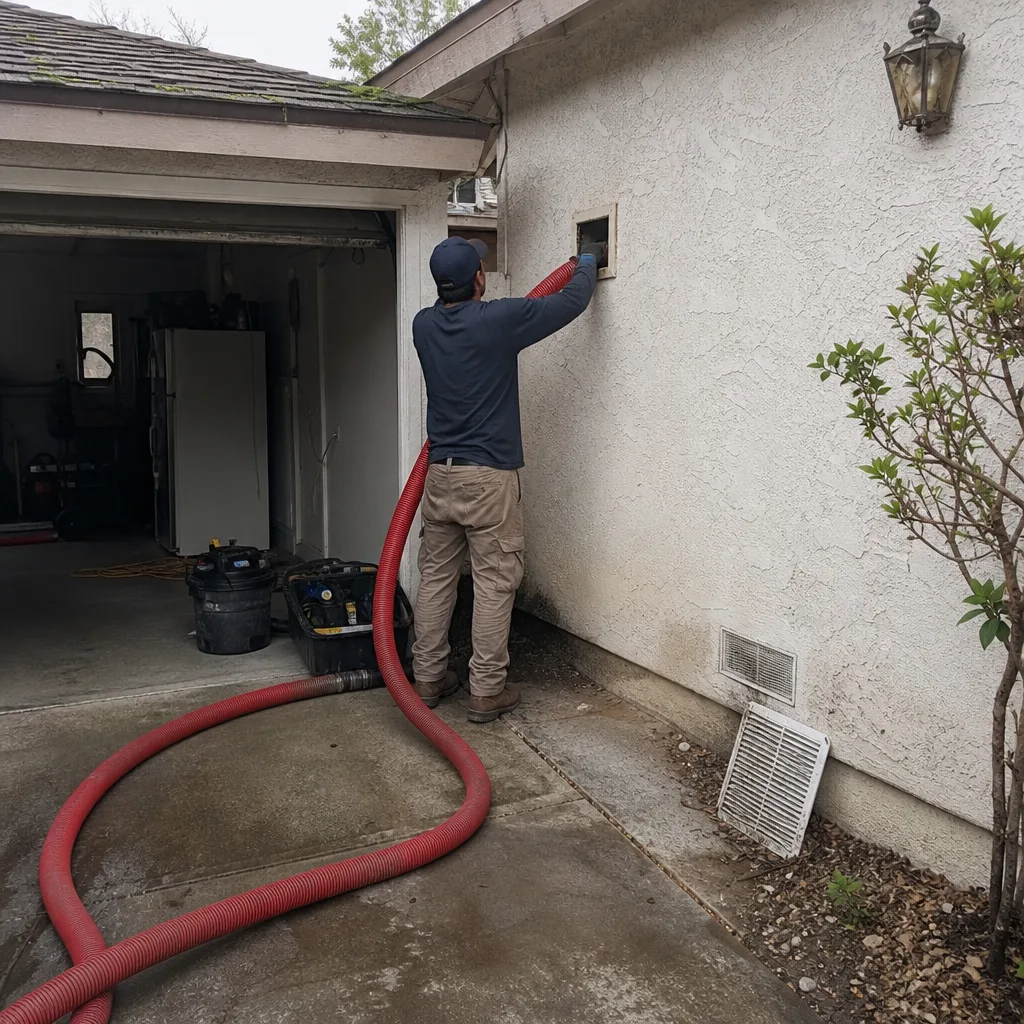
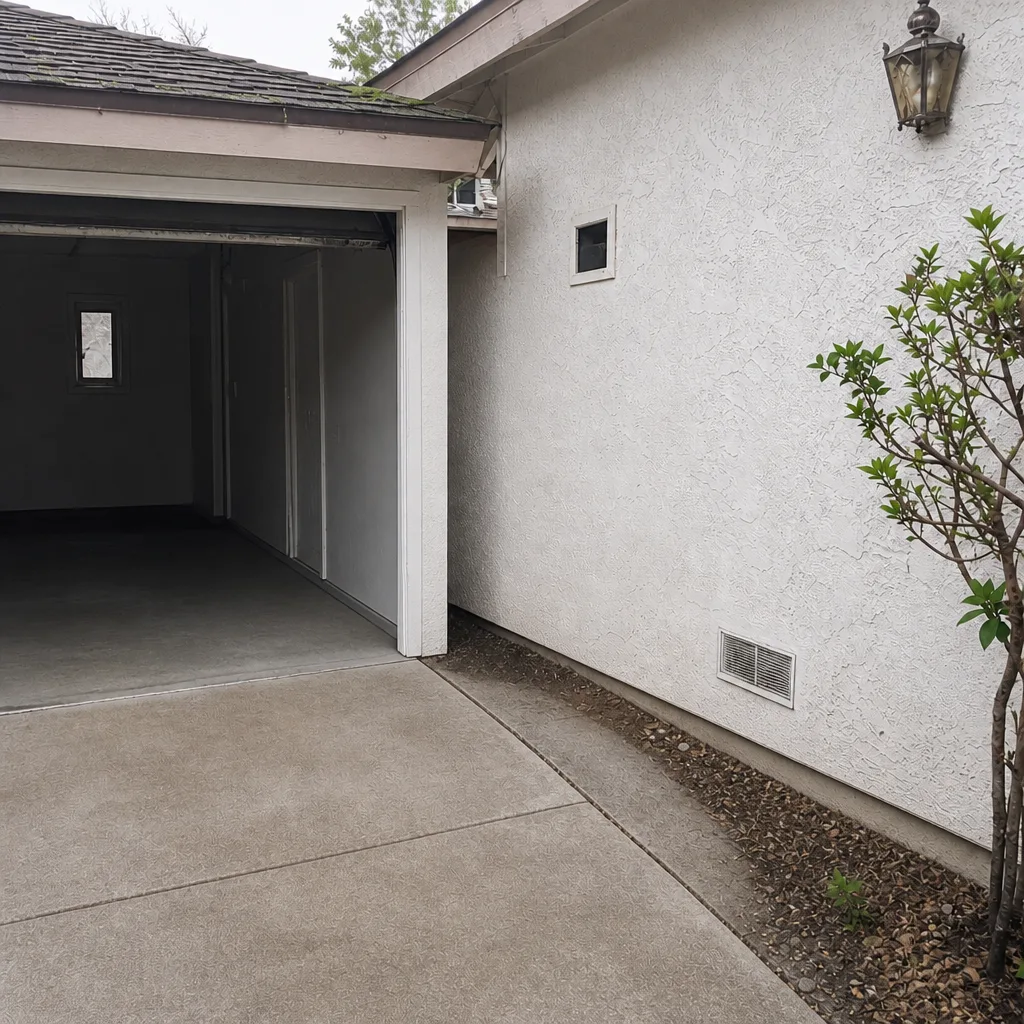
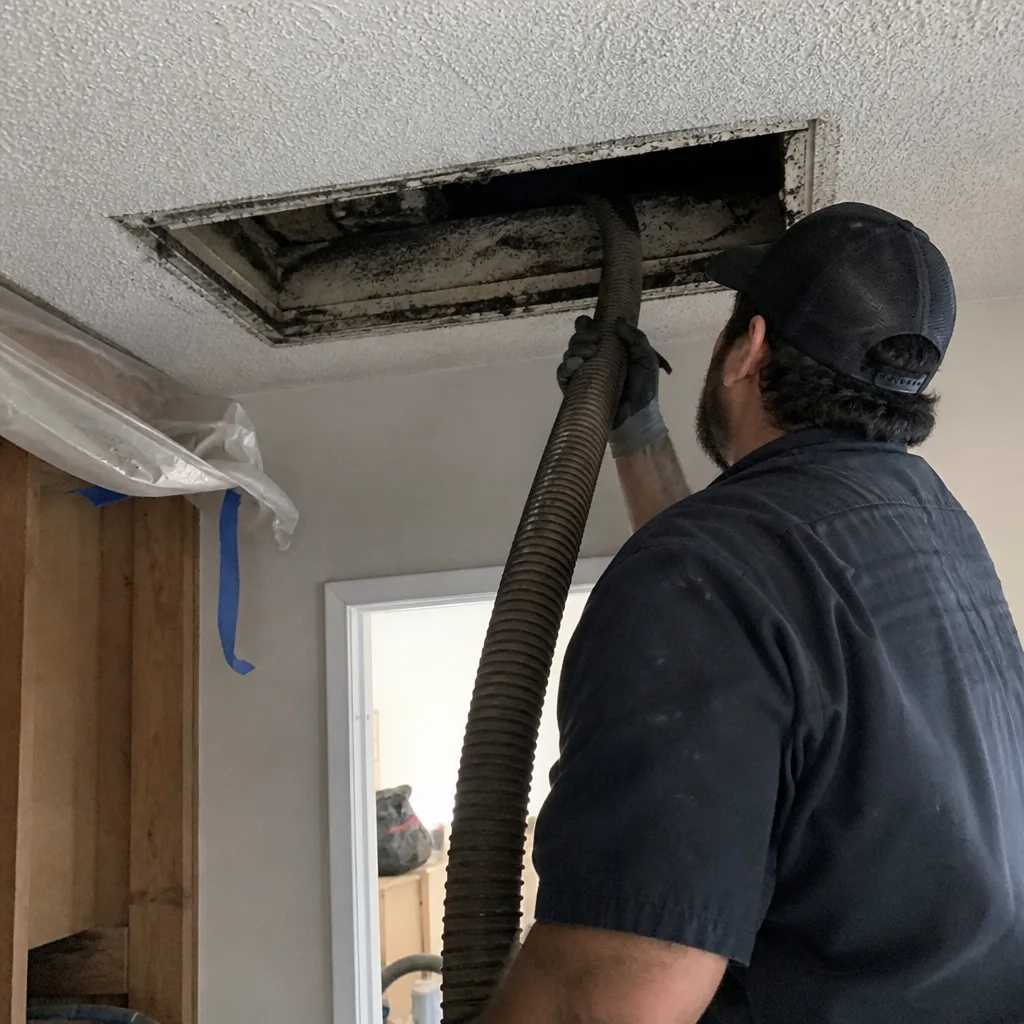
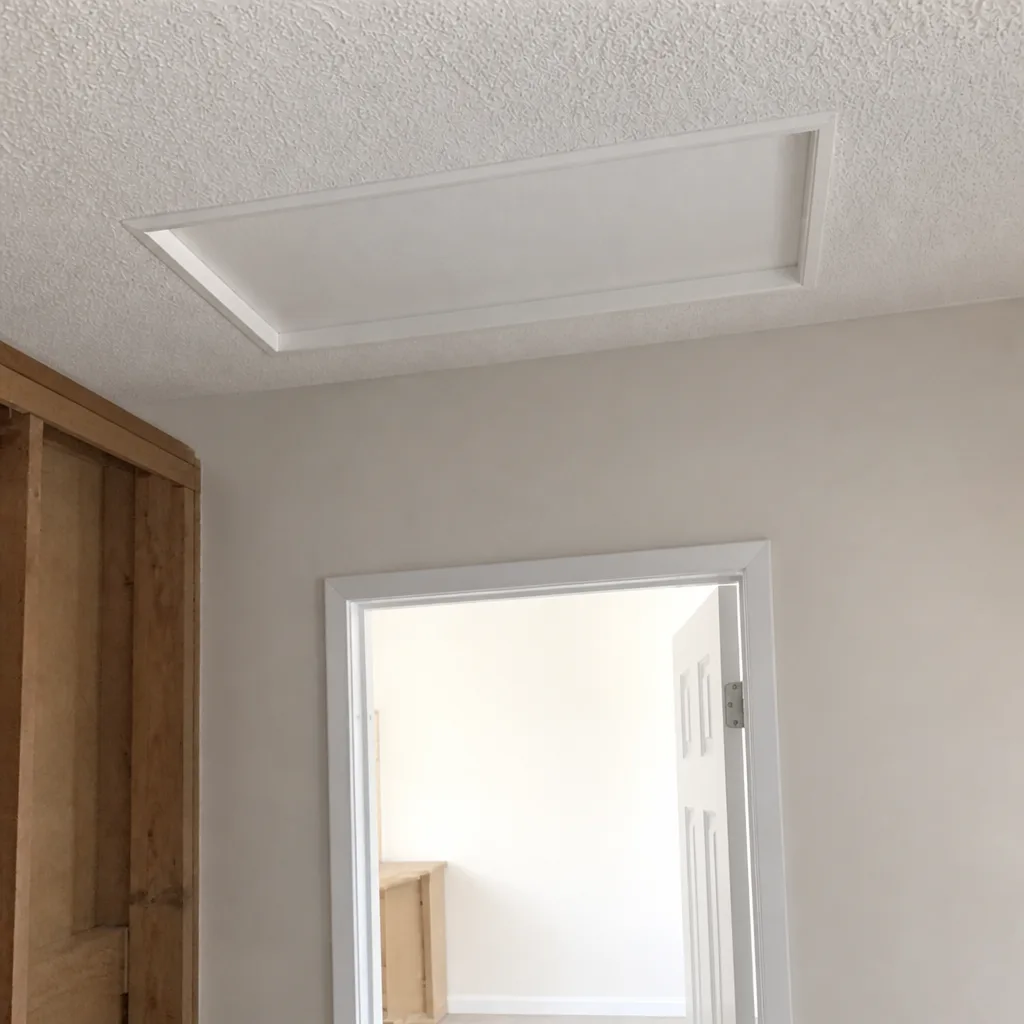
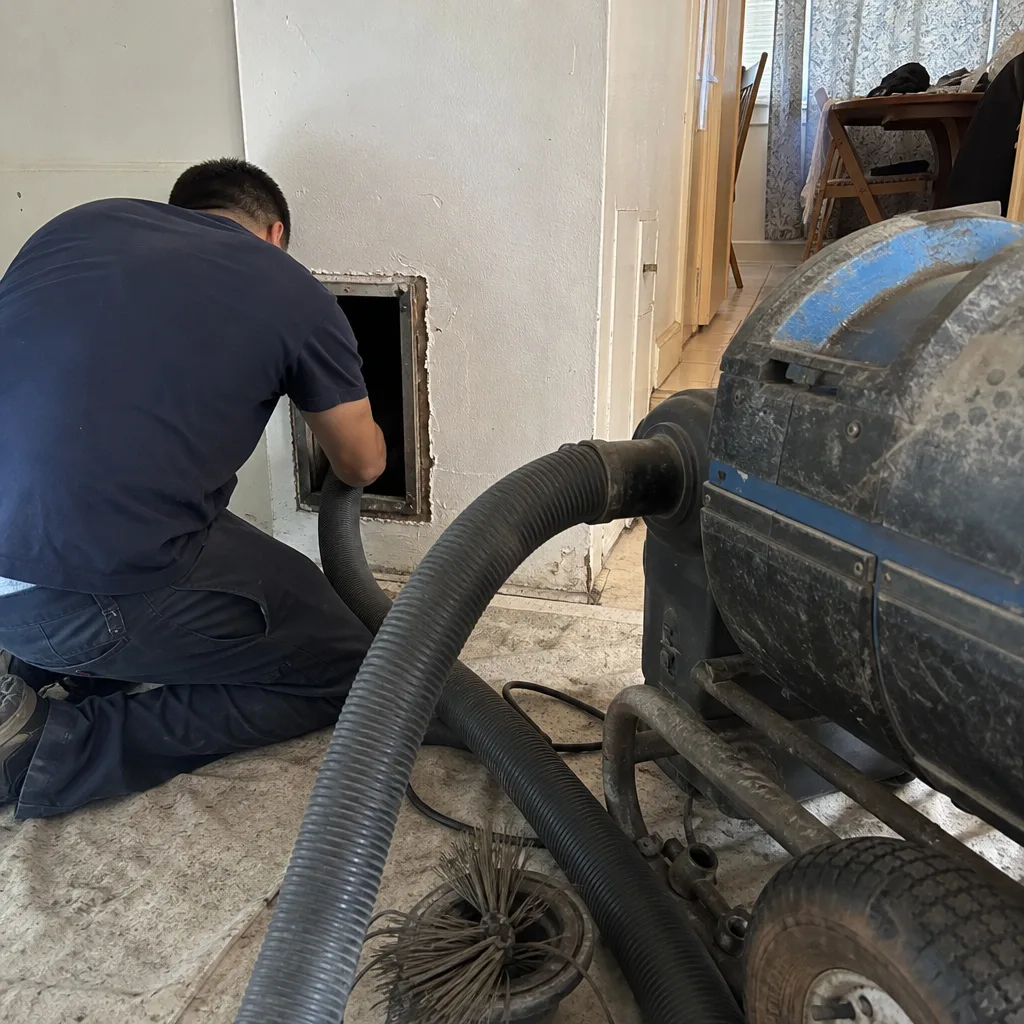
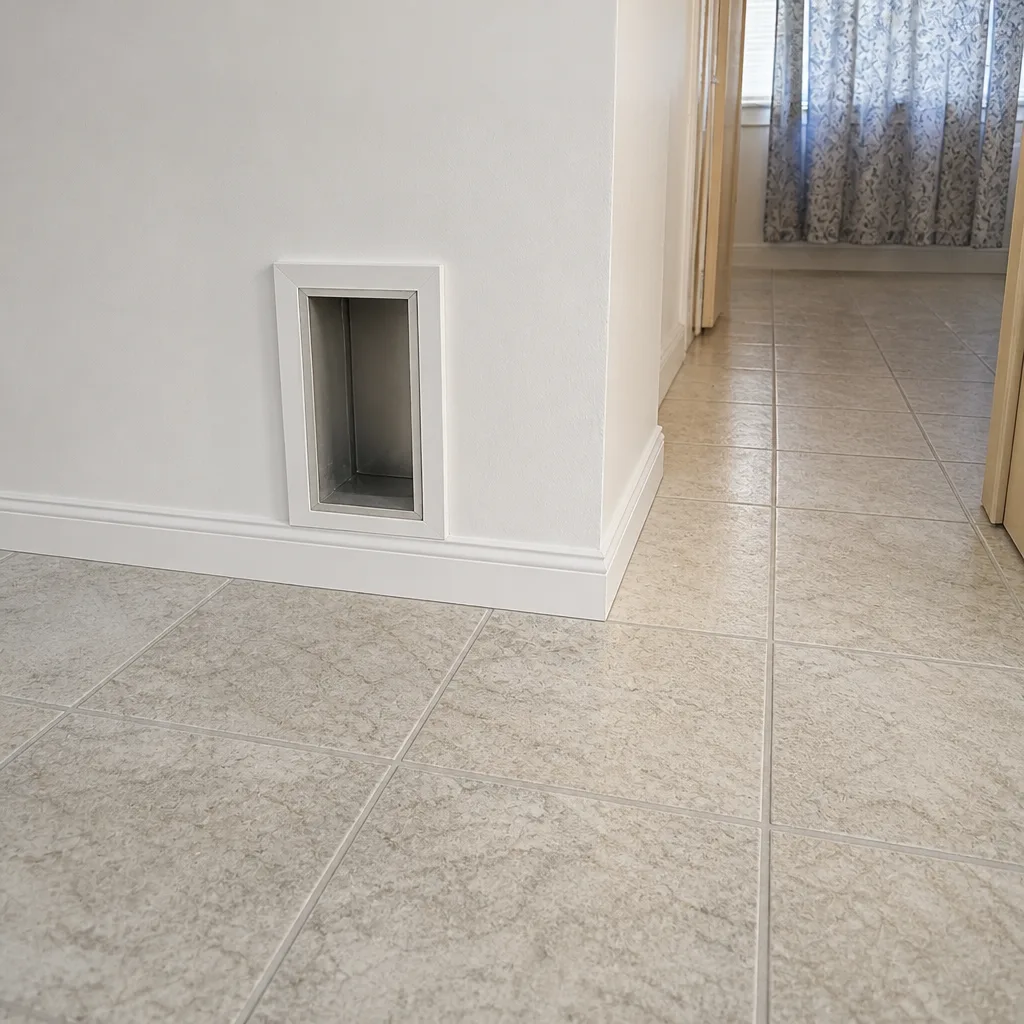
Whole-system duct and dryer vent check with before-and-after photos - you see exactly what came out of your vents
That "$99 whole-house special" is a bait ad - the real number appears once they are in your hallway, or the "clean" is a shop-vac at the register. We photograph the inside of your ducts before and after instead.
Air Duct Cleaning Emergency Preparedness Guide for Upland Homes
Most Upland homeowners think of duct cleaning as routine maintenance, something you schedule every few years when the dust builds up. That assumption falls apart the week after a wildfire, a moderate earthquake, or a water intrusion event in the lower-elevation neighborhoods near the San Antonio Wash. The difference between a two-day recovery and a two-month remediation often comes down to what you knew before the event happened. This guide covers the three emergency scenarios that affect Upland most directly: wildfire smoke, seismic damage to duct connections, and flood-driven water intrusion. You’ll learn what to shut down, what to inspect, what to document, and when to call a professional with the right equipment before you run the system again.
Quick Answer
After any emergency event in Upland, the first step is to keep the HVAC system off until you’ve done a basic visual inspection and understand what you’re dealing with. Wildfire smoke requires a specific cleaning sequence that removes particulate, not just debris. Earthquake damage often hides in disconnected flex duct joints and separated boots that you can’t see from the return register. And after any water event, you have a 48 to 72 hour window to assess the duct system before mold becomes a structural and respiratory problem. In all three scenarios, a contractor using commercial-grade equipment like Rotobrush systems and Abatement Technologies containment units is working at a different level than a generalist with a shop vacuum.
Styles & brands we work with
- Whole-home duct cleaning
- Dryer vent cleaning
- Camera inspection
- Sanitizing & deodorizing
Table of Contents
- Wildfire Smoke Protocol: Shut Down, Seal, Then Clean
- Earthquake Response: Duct Inspection After a Seismic Event
- Flood and Water Intrusion: The 48-72 Hour Duct Assessment Window
- Building an HVAC Emergency Kit for Your Upland Home
- How to Vet an Emergency-Response Duct Cleaning Contractor Before You Need One
- What the Cleaning Sequence Actually Looks Like After a Smoke Event
- Common Mistakes to Avoid
- When to Call a Professional
- Frequently Asked Questions
- The Bottom Line
Wildfire Smoke Protocol: Shut Down, Seal, Then Clean
When a fire like the 2020 Bobcat Fire pushes smoke into the Upland-Claremont corridor, the instinct is to shut the windows and keep the air conditioning running. In many homes, that instinct made the indoor air worse than the outdoor air. After the Bobcat Fire, air quality monitoring showed indoor PM2.5 levels exceeding outdoor readings for up to 11 days in homes where HVAC systems had run during peak smoke periods. The reason is straightforward: your return ducts were pulling smoke-laden air into the system, and the filter was never designed to catch the volume of fine particulate that wildfire smoke carries. Once that particulate settles in the ductwork, every future cycle re-suspends it.
Here is the shutdown sequence we recommend to Upland homeowners:
- Turn the HVAC system off completely. Not the fan setting, not “auto”, off. A running fan accelerates particulate deposition in the duct system.
- Close the fresh-air intake damper if your home has one. Many newer Upland homes include a ventilation damper that can be closed manually. Locate it before fire season, not during it.
- Seal return registers with duct tape and plastic sheeting. Returns are the entry points. Taping them shut during peak smoke keeps the system from pulling in contaminated air even if someone accidentally turns the system on.
- Upgrade to a MERV-13 filter before the smoke arrives, if possible. A MERV-13 catches significantly more fine particulate than the standard MERV-8. If the fire is already burning, don’t run to the store; focus on shutting the system down.
- Wait until the air quality index drops and holds. Running the system during intermittent smoke is worse than leaving it off.
After the smoke clears, the cleaning sequence differs from standard maintenance. A normal air duct cleaning removes accumulated dust and debris. A post-smoke cleaning has to remove fine particulate, and that requires equipment capable of agitating, capturing, and containing. Rotobrush agitation systems work the duct walls mechanically rather than just vacuuming loose material. The difference matters: smoke particulate bonds to the surface film inside ducts, and it will not come out with suction alone.
Earthquake Response: Duct Inspection After a Seismic Event
Upland sits near the San Gabriel and Cucamonga fault zones, and even a 4.0 event can damage duct connections that were never secured properly in the first place. The problem with earthquake damage is that it’s often invisible from the living space. A disconnected boot behind a wall cavity, a separated flex duct joint in the attic, a cracked plenum at the air handler: none of these show up at the register. You smell the difference or feel the uneven airflow, but you can’t see the cause.
Before you turn the system back on after any noticeable seismic event, do this:
- Check for visible separation at accessible registers and boots. Remove the register cover and look for gaps where the boot meets the drywall or flooring.
- Inspect the air handler connection. The plenum transition is a common failure point. Look for separation, shifted duct, or visible dust trails that indicate air leaking.
- Check flex duct in the attic for sagging, disconnection, or compression. Flex duct that has pulled away from a collar will not reseat itself. If the attic is accessible, a quick visual scan is worthwhile.
- Listen for new whistling or rattling during a controlled test run. If you decide to test, run the fan only for two to three minutes and listen. A new air leak often sounds like a whistle.
- If anything looks or sounds off, turn the system off and call a professional. Running a system with a disconnected duct deposits conditioned air into the wall cavity or attic, wastes energy, and pulls in unfiltered air.
What we’ve seen in Upland after seismic events is that the failures are rarely dramatic. Most are separation failures at connection points, and most are repairable. Duct Cleaning Upland offers air duct repair as a standalone service for exactly this reason. The structural fix comes first; cleaning comes after the system is sealed and functioning. You can’t clean a duct system that’s leaking at the joints and pulling attic air into the conditioned space.
Flood and Water Intrusion: The 48-72 Hour Duct Assessment Window
Upland’s flood risk concentrates in the lower-elevation zones near the San Antonio Wash and the areas where alluvial flow channels run during heavy winter rain. Even without a major flood event, a roof leak, a ruptured supply line, or an overflowing condensate pan can introduce water into ductwork. The timeline here is not flexible. Once water enters a duct system, the clock starts on mold growth, and the window for assessment is roughly 48 to 72 hours.
Wet flex duct is the specific problem most homeowners miss. Flex duct is an insulated product with a porous inner liner. Once that liner gets wet, drying it out does not restore it. The insulation layer traps moisture, and the surface inside becomes a growth medium. The correct approach with wet flex duct is replacement, not drying. Homeowners who dry out wet flex and run the system for a month often find the musty smell returns and this time it’s inside the duct, not just in the air.
Here is the assessment sequence after any moisture event:
- Shut down the system immediately. Airflow accelerates moisture distribution through the system.
- Document the affected area with photos before anything is moved or cleaned. Photos are the documentation your insurance adjuster wants.
- Check every register in the affected zone for visible moisture or staining. Staining on the register face or the surrounding ceiling or floor is a sign water traveled through the duct.
- Have the system inspected within 48 to 72 hours. A professional who can access the duct interior can assess liner saturation, seam separation, and insulation condition.
- Mold remediation in a duct system follows a containment protocol. This is where equipment like Abatement Technologies containment and negative-air units come in. The goal is to prevent spores from spreading to unaffected areas during removal and cleaning.
If the moisture event was a one-time incident and the assessment happens quickly, the repair scope is usually manageable: replace affected flex runs, clean the hard duct in that zone, and verify the system is dry. If the moisture sat for a week or more, the scope expands and the cost follows.
Building an HVAC Emergency Kit for Your Upland Home
Every Upland homeowner should have a dedicated HVAC emergency kit stored somewhere accessible. This is not a large investment, but it changes the first hours of a response from reactive to deliberate. The kit below covers the three scenarios in this guide.
- Extra MERV-13 filters. Keep at least two on hand. During fire season, you may need to change the filter more than once, and the stores will sell out when the smoke is visible.
- Duct tape and plastic sheeting. Duct tape is the fastest effective seal for return registers during a smoke event or during a containment setup. It is not a permanent fix, but it works in the first hours.
- A written layout of your duct system. A simple diagram showing where the trunk lines run, where the returns are, and where the air handler sits saves time when you’re on the phone with a contractor. You can draw this yourself; it doesn’t need to be to scale.
- The phone number of a vetted duct cleaning contractor. Vetted in advance, not searched for during the event. See the next section for what to look for.
- Photos of the installed system taken when everything was working. Baseline photos help a contractor spot changes from seismic movement or water staining.
None of this makes the event less serious. It makes your response faster, and with water intrusion specifically, speed is the variable that determines the final scope and cost.
How to Vet an Emergency-Response Duct Cleaning Contractor Before You Need One
The time to find a duct cleaning contractor for emergency response is not the day after a flood or a fire. It’s now, when you can ask questions calmly and check their process without pressure. The Upland market has generalist HVAC companies, low-cost coupon operators, and a smaller number of specialists who focus on duct systems specifically. The difference shows up in the equipment they arrive with.
Questions worth asking before you ever need them:
- What equipment do you use for the cleaning itself? Names like Rotobrush and Nikro indicate mechanical agitation systems designed for duct interiors. A contractor using a truck-mounted vacuum without agitation is doing surface-level work, and after a smoke event, surface work is insufficient.
- Do you carry containment and negative-air equipment? Abatement Technologies units are the standard in remediation settings. If the contractor doesn’t know what negative-air containment means, they’re not equipped for post-flood mold scenarios.
- Can you repair ductwork as part of the response? After an earthquake or water event, cleaning alone is not enough if the system is damaged. A company that offers air duct repair as a separate scope means you’re not coordinating two contractors during an emergency.
- What is your realistic response time after a regional event? After a wildfire or a regional flood, every contractor is busy. A realistic answer beats a false promise. We answer 24/7 and dispatch crews from 7am to 7pm, Sunday through Friday.
- Do you handle both cleaning and the filtration side? If the company installs and services Aprilaire or Honeywell whole-home filtration systems, they’re thinking about what happens after the cleaning. A contractor who cleans and leaves you with the same undersized filter has solved half the problem.
The contractor you want is one who can describe their process in plain language and name the equipment they use. “We have professional tools” is what everyone says. “We run a Rotobrush system and we carry Abatement Technologies containment units” tells you they actually own and operate the gear.
What the Cleaning Sequence Actually Looks Like After a Smoke Event
Post-smoke cleaning is not standard cleaning with a longer vacuum run. The sequence differs because the contaminant is different. Smoke particulate is fine, it bonds to surfaces, and it re-suspends easily. A proper post-smoke sequence in an Upland home goes like this:
- System shut down and visual assessment. The contractor checks the air handler, the filter, the return plenum, and accessible duct sections before any equipment is connected.
- Source disconnect. The air handler is isolated so the cleaning process doesn’t blow particulate through the blower motor or into the coil.
- Mechanical agitation of all supply and return branches. Rotobrush or similar agitation tools worked through each duct branch from accessible points. Suction alone leaves a bonded particulate film on the duct walls; agitation breaks that bond.
- Negative-air capture. In heavy smoke exposure situations, Abatement Technologies negative-air units contain the loosened particulate within the work zone and prevent it from spreading into living spaces.
- Filter replacement and system verification. The old filter goes out. The new filter is installed, often a MERV-13 if the system supports it. The system runs and is checked for proper static pressure and airflow.
The difference between this sequence and a coupon-priced cleaning is that this one produces evidence you can see. A contractor using the right equipment can show you the captured material at the end, and you can see the difference inside the duct with a camera before and after.
What About Dryer Vents After an Emergency?
The dryer vent is part of the home’s air-moving system, and it gets overlooked in every emergency discussion. After a flood or water intrusion, check the dryer vent run for water damage to the duct material and for blockage. After an earthquake, verify the vent connection at the back of the dryer is still seated and the exhaust termination outside hasn’t shifted. And during fire season, the dryer vent is a passive pathway for smoke infiltration even when the HVAC system is off. Dryer vent cleaning is a dedicated service, not an add-on, and the reason is practical: lint accumulation is a fire hazard in its own right, and Upland’s dry inland climate produces a lot of lint from heavy fabric loads. If your home has been through any of the events in this guide, treat the dryer vent as part of the assessment, not an afterthought.
Common Mistakes to Avoid
- Running the HVAC fan during a smoke event to “filter the air.” This pulls smoke particulate into the return ducts and deposits it throughout the system. Shut the system down and seal returns instead.
- Assuming a standard cleaning will handle post-smoke contamination. Smoke particulate bonds to duct surfaces. A vacuum-only cleaning leaves that film in place, and the smell returns within weeks.
- Drying out wet flex duct and hoping for the best. Wet flex duct liner cannot be fully dried once saturated, and the inner surface becomes a growth medium. Replace it.
- Waiting more than 72 hours to assess a water-damaged duct system. The assessment window matters because mold growth accelerates rapidly after saturation. Waiting a week turns a repair into a remediation.
- Calling the first contractor who answers without asking about equipment. In a regional event, the busiest contractors are not necessarily the best-equipped. Vetting in advance is the only reliable way.
- Ignoring the dryer vent after an emergency event. The dryer vent is a secondary air pathway and a fire risk in its own right. Include it in every post-event assessment.
- Treating the cleaning as the end of the response. After any of these events, the filtration side matters. Honeywell and Aprilaire whole-home systems are installed and serviced by the same company that cleans the ducts, which means the cleaning visit can end with a plan to keep the system clean, not just a receipt.
When to Call a Professional
Call a professional before you turn the system back on if you’ve experienced a significant smoke event, a noticeable earthquake, or any water intrusion that reached the duct system. The first call is for assessment, not necessarily for cleaning. A specialist can inspect the system, identify what the emergency actually did, and give you a scope of work that separates necessary from optional. If you’re not sure whether the event warrants a call, call anyway: the estimate is free, and an early assessment is always cheaper than a late remediation. Duct Cleaning Upland offers free estimates in Upland. Call (855) 382-4830. We answer 24/7. Fast dispatch from 7am to 7pm, Sunday through Friday.
Frequently Asked Questions
Wait until the air quality index in the Upland area has stabilized and the smoke plume has passed. Cleaning while smoke is still present means the system gets re-contaminated immediately. Once the air clears, schedule the cleaning as soon as practical; the particulate is already in the system, and every day it sits is a day it re-suspends into your living space.
You can inspect the accessible portions: register boots, visible duct in the garage or attic, the air handler connection, and the area around the plenum. What you can’t see without the right equipment is the interior of the duct runs and the connections inside wall cavities. If the accessible inspection looks clean but airflow has changed or new sounds have appeared, call a professional before running the system further. Call (855) 382-4830 for an exact assessment. Estimates are free.
If the flex duct liner is saturated, the insulation layer is wet, or there is visible staining inside the duct, replacement is the correct path. Drying a saturated flex duct takes too long, and the interior liner degrades. The only way to confirm is with an interior inspection using a camera or direct access. A professional can assess this quickly and give you an honest answer.
A regular cleaning removes accumulated dust and debris using agitation and vacuum collection. A post-smoke cleaning targets a fine, bonded particulate film that requires more aggressive mechanical agitation and often containment equipment like Abatement Technologies negative-air units. The time required is longer, and the verification standard is higher. A contractor who treats post-smoke cleaning as a standard visit is likely to leave smoke residue behind.
Cost depends on the size of the system, the extent of contamination, the number of duct runs, and whether repair is needed. A smoke event in a 2,000-square-foot home with ten to twelve duct runs will land in a different range than a post-flood remediation involving flex duct replacement. The written estimate sets the final price before work begins, and estimates are free. Call (855) 382-4830 for a precise quote.
If your HVAC system is the standard builder-grade filter slot, a whole-home filtration upgrade like Aprilaire or Honeywell changes what the system captures going forward. These systems are installed and serviced by Duct Cleaning Upland, which means the same company that cleans the ducts can install the filtration that keeps them cleaner. For homes that have been through a smoke event or a mold scare, the upgrade is often the step that prevents a repeat.
The Bottom Line
Upland homes face three recurring emergency scenarios: wildfire smoke, seismic damage, and flood-driven water intrusion. Each one affects the duct system differently, and each one has a specific response protocol that most homeowners learn only after the event. Shut the system down first. Assess within the relevant window: immediately after an earthquake, within 48 to 72 hours after water, and after the air clears following a smoke event. Know what equipment your contractor should arrive with, and vet them before you need them. The preparation is inexpensive and the difference it makes in your recovery timeline is substantial. Clean ducts matter after an emergency, and a plan to keep them clean matters even more.
Written by the team at Duct Cleaning Upland, serving Upland since 2012.
See the difference
 Before
 After
 Before
 After
 Before
 After