
Last updated November 4, 2026
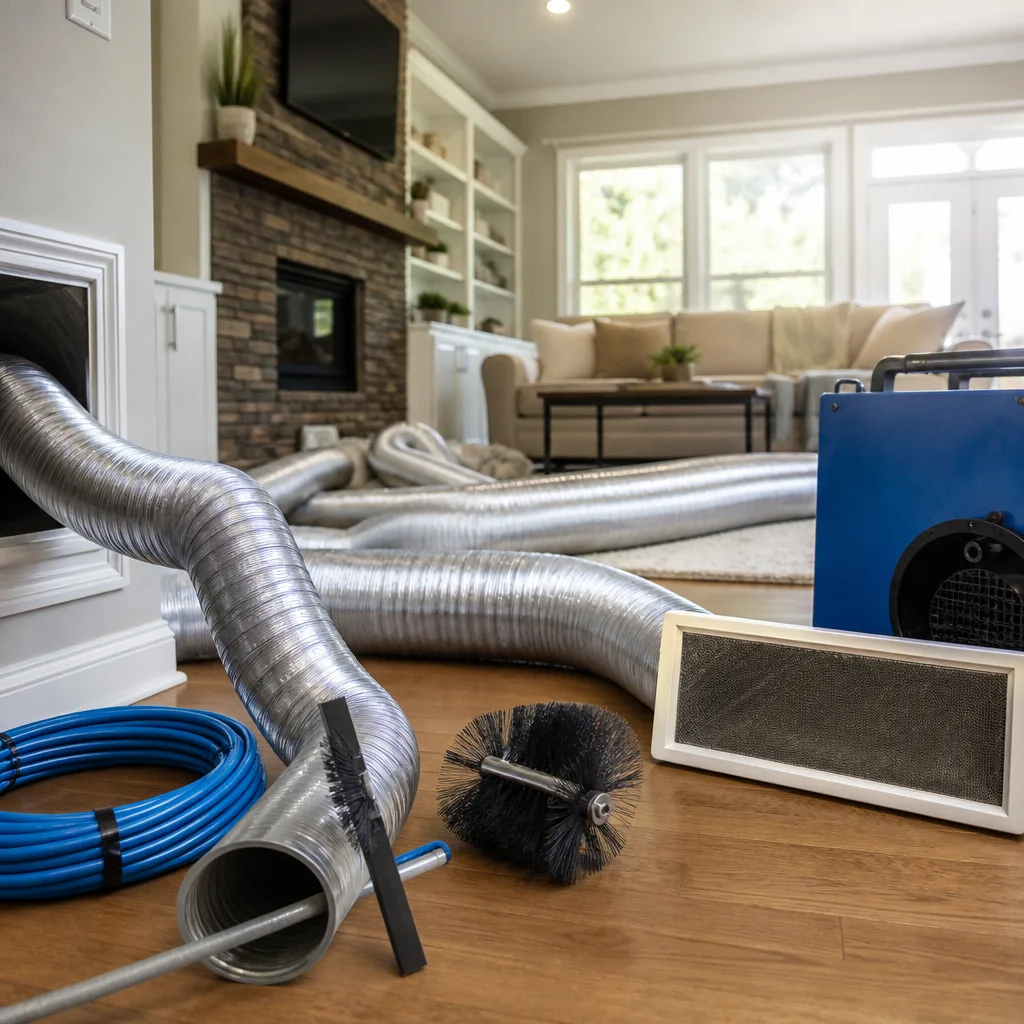 Whole-home duct cleaning
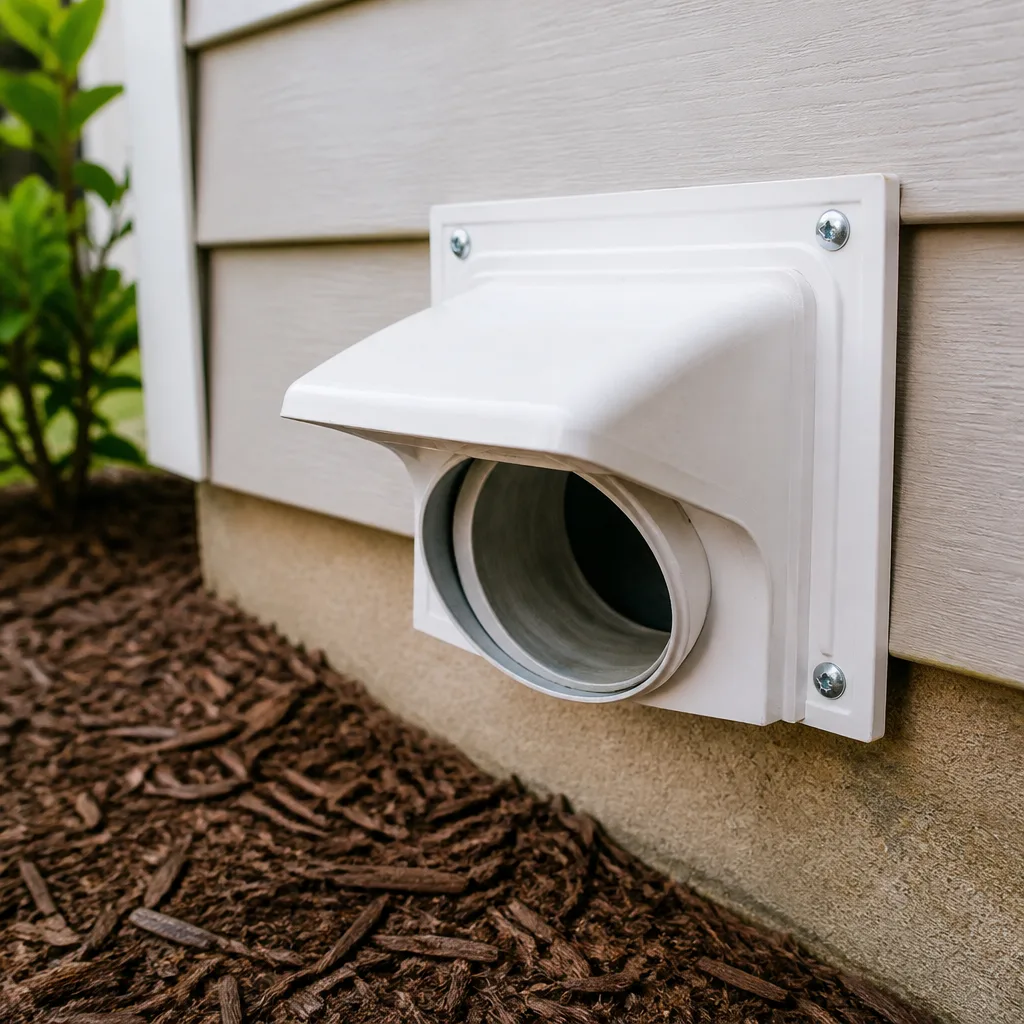 Dryer vent cleaning
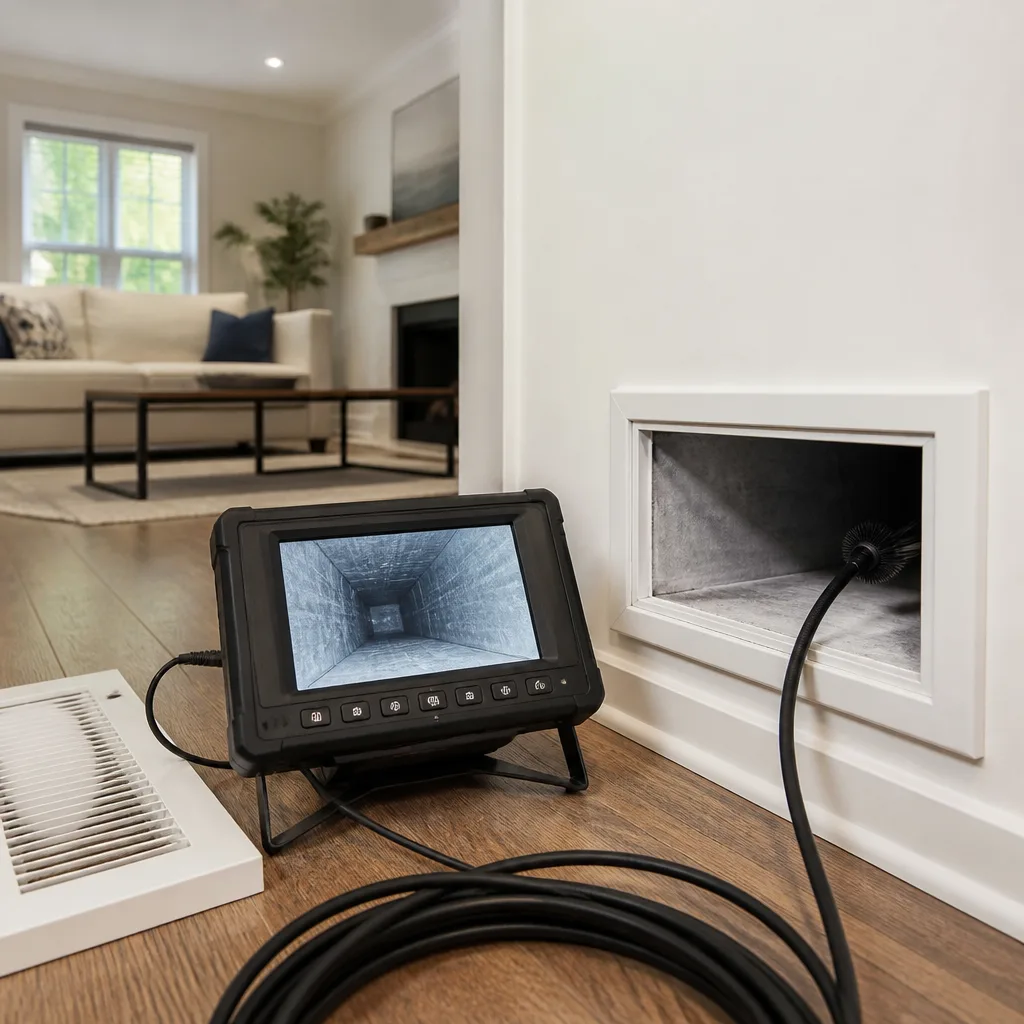 Camera inspection
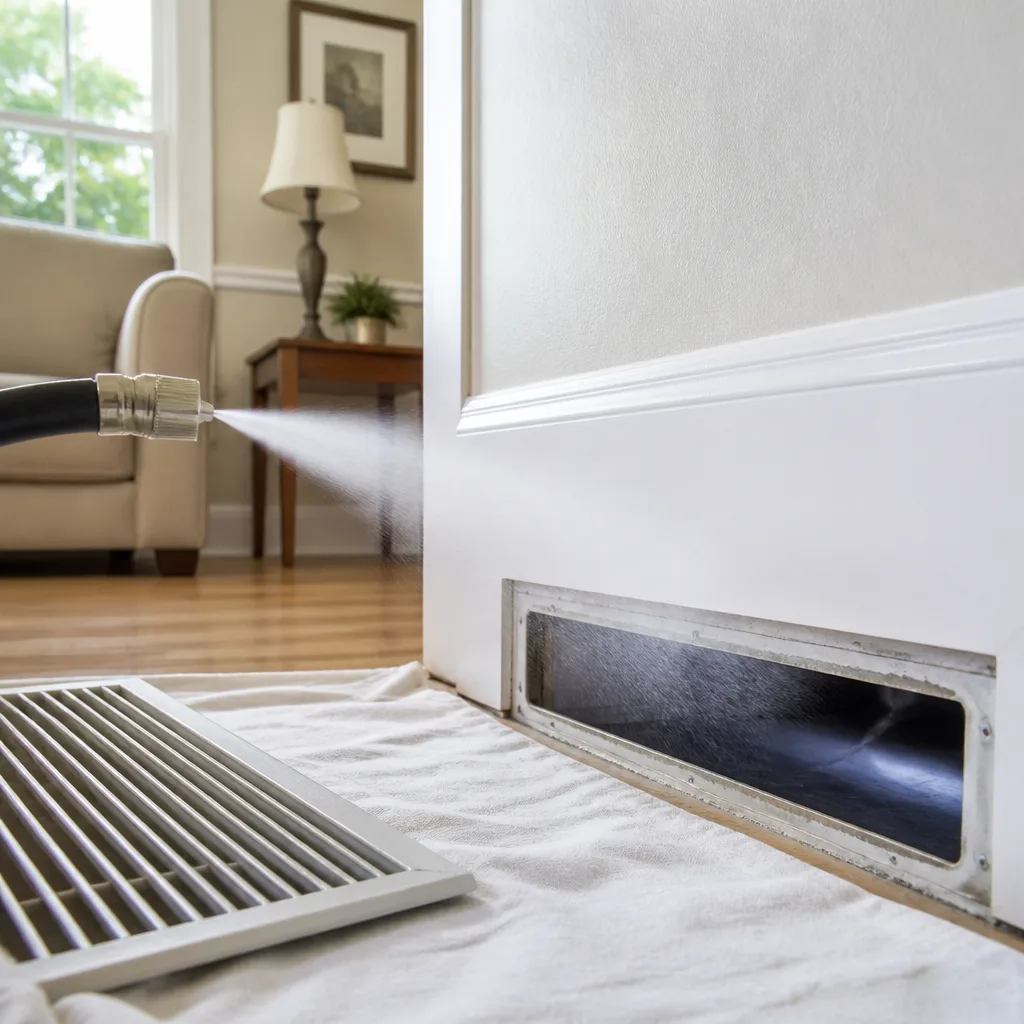 Sanitizing & deodorizing
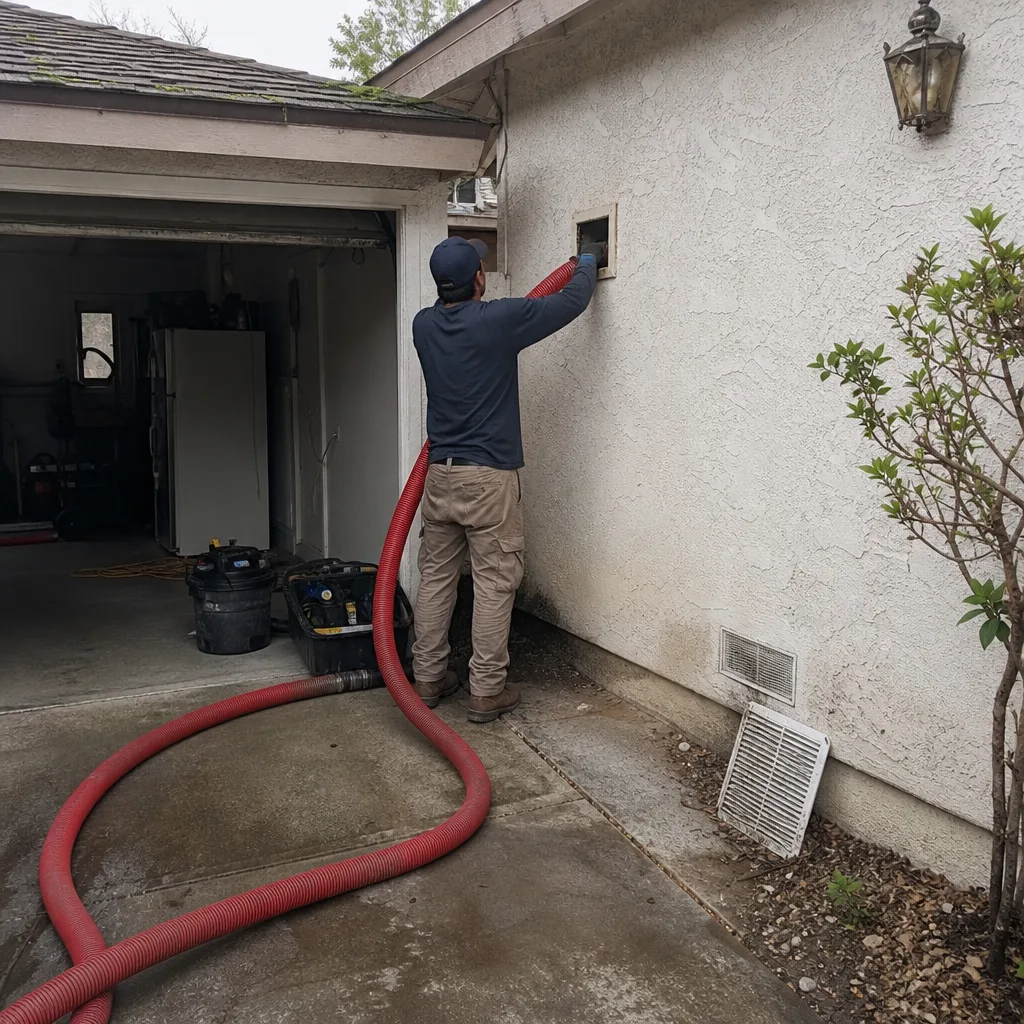
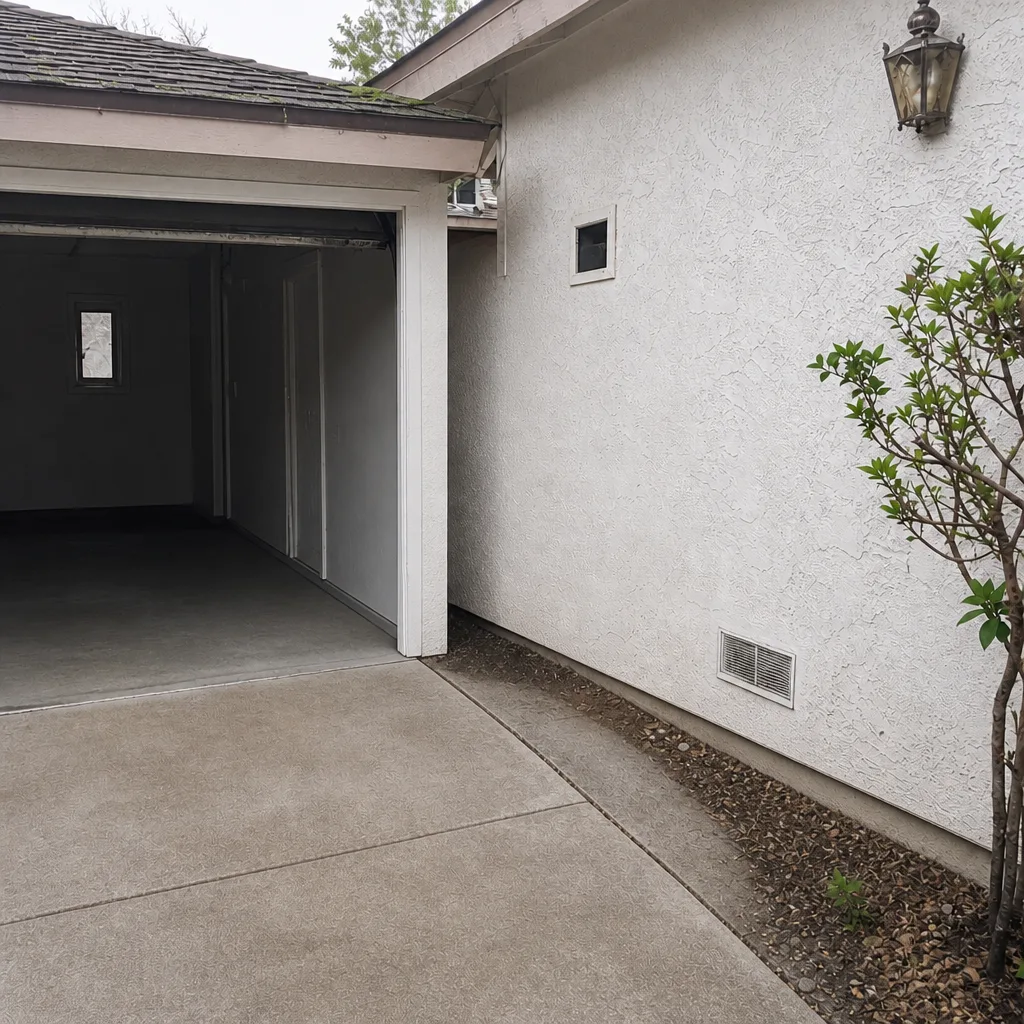
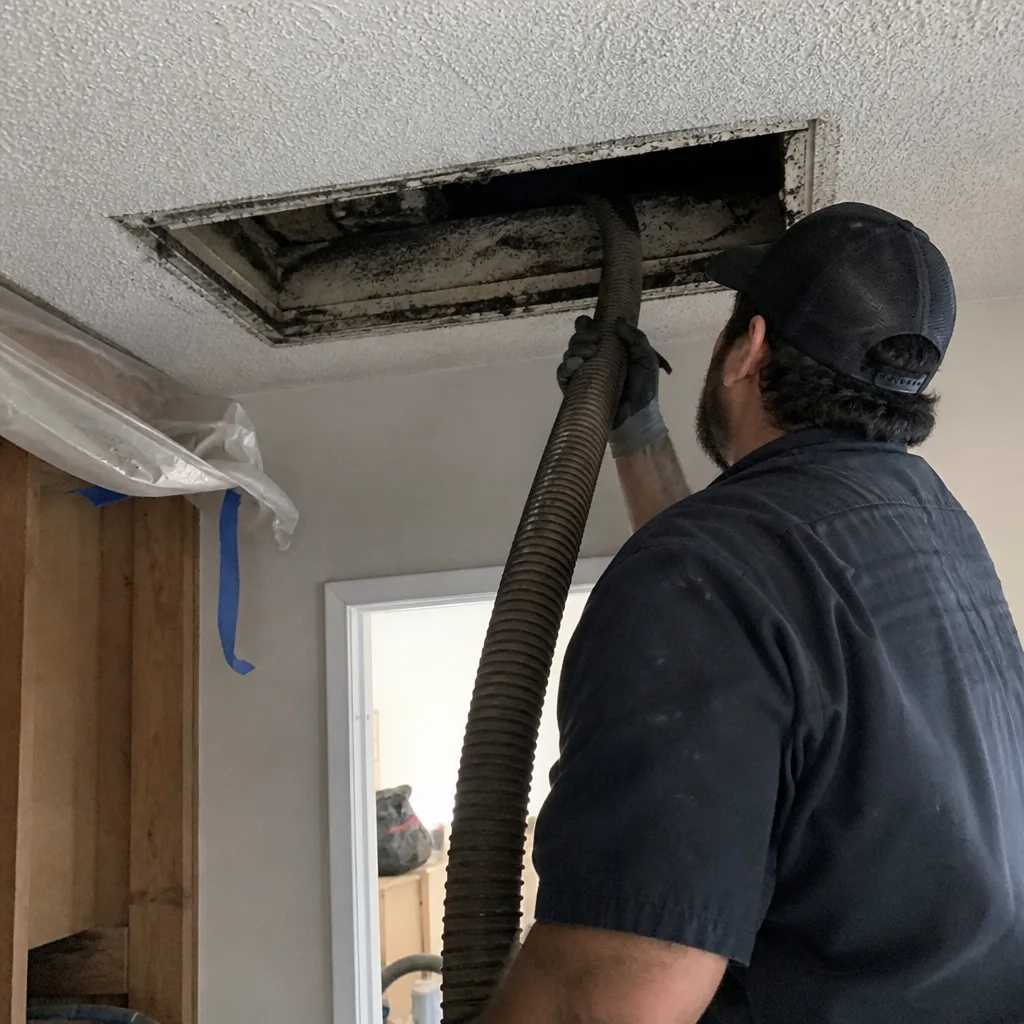
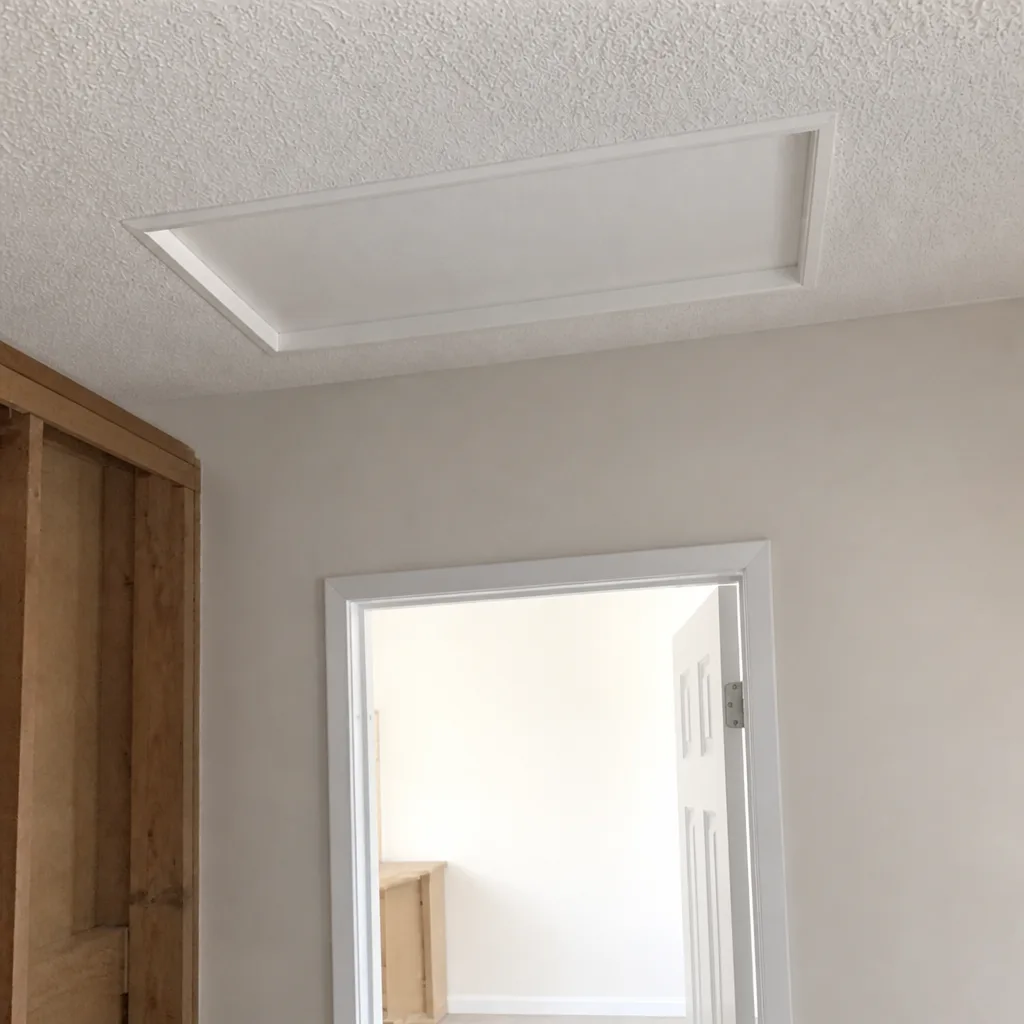
Whole-system duct and dryer vent check with before-and-after photos - you see exactly what came out of your vents
That "$99 whole-house special" is a bait ad - the real number appears once they are in your hallway, or the "clean" is a shop-vac at the register. We photograph the inside of your ducts before and after instead.
The Complete Guide to Air Duct Cleaning in Upland
Most Upland homeowners don’t have a contamination problem. They have an equipment problem. The contractor they hired showed up with gear that couldn’t reach or dislodge what had actually accumulated inside the duct system, so the cleaning was cosmetic at best. A standard shop-vac and a handheld brush, the kit most coupon duct cleaners arrive with, can only reach about 18 inches into a residential trunk line. Everything beyond that stays exactly as dirty as before. This guide explains what a real source-removal clean involves, why Upland’s inland valley geography makes proper equipment matter more than it does near the coast, and how to tell the difference between a thorough job and a surface pass.
Quick Answer
Air duct cleaning in Upland means removing built-up dust, debris, and contaminants from the full duct system using commercial-grade negative-air equipment, not a shop-vac. A proper clean includes camera inspection before and after, agitation of all interior surfaces, and containment so loosened debris is extracted rather than redistributed through the home. The goal is clean ducts and a plan to keep them clean, which is why serious providers also address filtration and structural repairs during the visit.
Styles & brands we work with
- Whole-home duct cleaning
- Dryer vent cleaning
- Camera inspection
- Sanitizing & deodorizing
Table of Contents
- Why Equipment Determines the Outcome
- What a True Source-Removal Clean Involves
- Why Upland’s Climate Accelerates Duct Contamination
- The Correct Inspection Sequence
- What a Completed Job Should Look Like
- The Connection Between Cleaning and Duct Repair
- Dryer Vents: The Fire Hazard People Ignore
- Common Mistakes to Avoid
- When to Call a Professional
- Frequently Asked Questions
- The Bottom Line
Why Equipment Determines the Outcome
Let’s start with the thing most guides skip: the tool stack matters more than the technician’s effort. You can have the most diligent person in Upland working in your home, but if the machine they brought can’t generate enough airflow or agitation to break debris loose from duct walls, the job was over before it started.
Residential duct systems in Upland homes typically have trunk lines running 20 to 40 feet, with branch runs extending into every room. A consumer-grade vacuum connected to a hose might pull air through the first few feet. That’s it. The rest of the system has a layer of fine dust, pet dander, construction debris, and sometimes mold spores that never moves.
This is where Duct Cleaning Upland takes a different approach. We run Rotobrush and Nikro systems, the kind of equipment used in commercial and remediation settings, because residential ducts need the same mechanical agitation and extraction power. Rotobrush systems use rotating brush heads that physically scrub duct walls while a high-powered vacuum pulls loosened material out simultaneously. Nikro units are built for negative-air applications, which we’ll cover in detail below. These are not tools you rent at a hardware store. They’re purpose-built machines that most generalist HVAC companies don’t carry because the investment doesn’t pencil out for a company that treats duct cleaning as a side service.
When a crew arrives at your Upland home, you should be able to look at the equipment and understand what’s about to happen. If the setup looks like something you could buy for a few hundred dollars, that’s a signal. Commercial-grade equipment in residential homes isn’t about showing off. It’s about physics: you have to move enough air, with enough directed force, to actually extract what’s bonded to the interior surfaces.
What a True Source-Removal Clean Involves
The industry term you’ll hear serious contractors use is “source removal.” It means the debris is physically separated from the duct surfaces and extracted from the system. A surface-only pass, by contrast, might knock loose some of what’s sitting in the first few feet of a return drop but leaves the rest in place. Here’s the process, step by step, as it should happen in an Upland home.
- Containment setup. Before cleaning begins, the technician should seal off supply and return registers and connect the duct system to a negative-air machine. Abatement Technologies equipment is the standard for this kind of containment work. The machine creates negative pressure inside the duct system so that when debris is agitated loose, it flows toward the collection unit rather than back into the living space.
- Camera assessment. A push camera goes into the ducts before any cleaning starts. This gives a baseline: where the buildup is, what kind of debris it is, whether there are obstructions or damage. Without this step, the crew is working blind.
- Mechanical agitation. Rotating brushes, compressed air wands, or a combination of both work through every accessible section of trunk line and branch run. This is the step that separates real cleaning from a visual touch-up. The agitation has to be aggressive enough to break the bond between debris and duct walls.
- Extraction under negative pressure. As debris loosens, the negative-air machine pulls it through the system and into HEPA-filtered collection. The key word is through. With proper pressure differential, loosened material doesn’t settle back into low points. It exits the system.
- Post-cleaning camera verification. The camera goes back in. You should be able to see the before and after with your own eyes. Not a flashlight glance through a register, but actual footage of the cleaned duct interiors.
- System reassembly and airflow check. Registers go back on, the system is checked for proper operation, and airflow readings confirm the system is moving air the way it should.
Most Upland homes have never had a clean like this. What they’ve had is a partial pass that left the majority of the system untouched. The difference shows up in the documentation, which we’ll get to shortly.
Why Upland’s Climate Accelerates Duct Contamination
Upland sits in the inland valley of San Bernardino County, where the climate patterns work against your duct system in ways that coastal markets don’t experience. Understanding this helps you make smarter decisions about cleaning frequency and filtration.
First, the Santa Ana winds. These downslope winds push dry air through the Cajon Pass and across the valley, carrying fine particulate from the high desert. That dust doesn’t stay outside. It works its way into homes through every gap, and once it enters the return side of an HVAC system, it gets distributed through every duct run. Homes in Upland accumulate this wind-driven dust at a rate that surprises people who moved here from other regions.
Second, low humidity. Inland valley air is dry for much of the year, which means dust stays airborne longer. There’s no moisture to weigh it down. That increases the volume of particulate your HVAC filter has to catch, and whatever the filter misses ends up coating duct interiors. Dry, lightweight dust is also easier to kick up during a cleaning, which is exactly why negative-air containment matters so much more here than it would in a humid climate where debris clumps and settles.
Third, construction activity. Upland has seen consistent residential and commercial development, which generates dust that hangs in the air and gets pulled into nearby homes. If your neighborhood has had renovation or new construction within a few blocks, your ducts are collecting some of that particulate.
The practical takeaway: ducts in Upland need attention at least as often as ducts in coastal communities, and arguably more often. The debris here is fine, dry, and persistent. It takes real equipment to remove it properly.
The Correct Inspection Sequence
Here’s something most homeowners never think to ask: what does the contractor look at before they clean? The answer tells you a lot about what kind of job you’re getting.
A serious air duct cleaning starts with a camera assessment before any cleaning begins. The camera serves three purposes. It shows the technician where the heaviest buildup is. It identifies any structural issues like disconnected joints, crushed flex runs, or gaps that are pulling attic air into the system. And it creates a baseline for comparison after the work is done.
A flashlight glance through an open register, which is what some operators do, tells you almost nothing. A register is a small opening at the end of a run. Looking through it shows you maybe six inches of visible duct. The problem areas are usually deeper: the return drop, the trunk line, the branch takeoffs where turbulence causes debris to settle.
After the cleaning, the camera should go back in for verification. You should receive photos or video showing the same sections that were problematic before, now clean. This is a documentation standard that separates serious contractors from one-day operators. If a company can’t show you what they did, there’s a reason.
Airflow readings are another verification tool. Static pressure measurements before and after can show whether the clean improved system performance. In an Upland home where the system has been struggling to keep up, this data is the difference between “we cleaned the ducts” and “we demonstrably improved your system’s performance.”
What a Completed Job Should Look Like
When the crew packs up and leaves your Upland home, what should you actually have? Here’s the documentation and verification checklist we recommend every homeowner insist on.
- Before and after camera footage. Not a verbal assurance. Actual images or video of your duct interiors, before and after. You should be able to see the buildup that existed and the clean surfaces after extraction.
- Containment evidence. You should have observed the negative-air machine running during the cleaning. Abatement Technologies units are visibly working: the containment collars are sealed, the hoses are connected, and the machine is pulling air through the system.
- Access points properly sealed. Any access holes cut into the ductwork for cleaning tools should be professionally sealed with metal patches and proper fasteners, not duct tape.
- Registers and grilles reinstalled correctly. Every register back in place, seated properly, no visible gaps.
- Filter status noted. You should know what condition your filter was in and whether it needs replacement. If the cleaning included a filtration recommendation, that should be clearly explained.
- Airflow confirmation. If airflow readings were taken, you should have those numbers. If not, you should at least be able to feel the difference at the registers.
A clean that leaves you guessing is incomplete. The documentation is part of the job, not an add-on. It’s how you know the work was actually done and not just described.
The Connection Between Cleaning and Duct Repair
Cleaning addresses what’s inside the ducts. It doesn’t fix the reason the contamination got there in the first place. That’s where dryer vent cleaning and air duct repair come in as separate, equally important services.
Duct systems in Upland homes develop problems over time. Flex runs get crushed in attics. Joints separate. Old metal duct develops small gaps at the seams. The return plenum might have openings pulling dusty attic air straight into the system. Every one of these issues is a contamination entry point. You can clean the ducts perfectly, and within months the same debris is back because the system is still pulling from the wrong places.
That’s the job behind the job. A responsible Upland duct cleaning provider should look at the entire system, not just the interior surfaces. When we find structural issues during the inspection, we can address them as a standalone air duct repair service. This isn’t an upsell. It’s the difference between a clean that lasts and a clean that gets redone every couple years because the underlying problem was never fixed.
Single-company accountability matters here. When cleaning, repair, and air quality improvement are handled by the same team, there’s no finger-pointing about who was responsible for what. The system gets assessed as a whole, cleaned as a whole, and repaired as a whole.
Dryer Vents: The Fire Hazard People Ignore
Dryer vents are a fire hazard, not a maintenance afterthought. That’s how we at Duct Cleaning Upland frame it because the stakes are real. Lint is combustible, and a clogged dryer vent is one of the most common causes of residential dryer fires in the United States.
In Upland, the dry climate makes lint especially prone to accumulating quickly. There’s no moisture to help it clump and drop out of the airflow. Instead, fine lint particles travel through the vent run and coat the interior walls, gradually narrowing the passage. The dryer has to work harder, which means longer dry cycles and higher operating temperatures. That combination creates the conditions for a fire.
A dedicated dryer vent cleaning involves running a rotary brush through the full length of the vent run, from the dryer connection to the exterior termination. The brush breaks the lint bond, and a high-powered vacuum extracts the material. The vent should be inspected for proper termination, damage, or obstructions like bird nests at the exterior hood.
This is a service that should be done annually for most households, more often if you run the dryer daily or have a long vent run. It’s not a “while we’re here” add-on. It’s a fire-safety measure with its own equipment and its own inspection standards.
Filtration: The Missing Half of the Equation
Cleaning removes what’s already in the system. Filtration determines how fast it comes back. That’s why Duct Cleaning Upland handles both sides of the equation by installing and servicing Honeywell and Aprilaire whole-home air quality systems.
A standard one-inch fiberglass filter catches large particles and lets most fine dust through. A media filter or electronic air cleaner from Honeywell or Aprilaire catches the fine particulate that causes the most irritation: pollen, mold spores, dust mite debris, and the fine wind-driven dust that Upland’s Santa Ana winds keep pushing through the area. These systems integrate into your HVAC system and work continuously, not just when the system is heating or cooling.
The practical benefit for Upland homeowners is straightforward. After a proper source-removal clean, a high-efficiency filtration system keeps the duct interiors from re-coating as quickly. You get a longer interval between cleanings and better indoor air quality in the meantime. It’s the difference between a one-time fix and a plan to keep the system clean.
Common Mistakes to Avoid
- Hiring on price alone. The coupon operators in Upland are competing on a number, not on results. Their equipment can’t reach most of your duct system, and they know it. A low price for a partial clean isn’t a deal, it’s a waste of money with extra steps.
- Skipping the pre-cleaning inspection. If a contractor doesn’t put a camera in your ducts before they start, they can’t know what they’re dealing with. You can’t either. Insist on documentation.
- Accepting a surface-only pass. If the crew is done in under an hour for a full system, ask what was actually cleaned. A real source-removal clean on a typical Upland home takes several hours. Anyone claiming otherwise is leaving most of the system untouched.
- Ignoring duct leaks. Clean ducts that leak at the joints are an open door for attic dust and insulation. The cleaning fixed one problem and left a bigger one. Ask about the structural condition of the system.
- Forgetting the dryer vent. The HVAC ducts get cleaned and the dryer vent, a genuine fire hazard, gets skipped. They’re separate systems with separate issues. Both need attention.
- Not asking about equipment. What are they bringing? A truck-mounted unit? A Rotobrush system? A Nikro negative-air machine? Or a shop-vac from the back of a pickup? The answer tells you most of what you need to know.
- Treating cleaning as a one-time event. Ducts get dirty again because air moves through them continuously. A good clean plus good filtration plus structural repairs is a system. A clean alone is a snapshot.
When to Call a Professional
Visible dust around registers despite regular cleaning is a sign the ducts are coated and shedding. Allergy symptoms that spike when the HVAC runs point to contamination being circulated through the living space. Musty odors that come and go with system operation suggest moisture or microbial growth inside the ducts. A system that can’t keep up with Upland’s hot summers may be restricted by debris buildup. And if you’ve never had the ducts inspected in a home you’ve lived in for years, the question isn’t whether they need attention, it’s how much.
Duct Cleaning Upland offers free estimates in Upland. Call (855) 382-4830. We answer 24/7. Fast dispatch from 7am to 7pm, Sunday through Friday.
Frequently Asked Questions
Air duct cleaning in Upland is priced per job by written estimate, not by a teaser coupon rate. A realistic whole-system clean typically falls in the range of a few hundred to over a thousand dollars depending on home size, number of systems, degree of buildup, and whether structural repairs are needed. Be wary of any quote that promises a full clean for under a couple hundred dollars. At that price, the contractor cannot afford the equipment hours required to do the job properly. Call (855) 382-4830 for a free estimate based on your actual system.
You should receive before and after camera footage showing the interior of your ducts, not just a verbal confirmation. The pre-cleaning inspection establishes what’s there, and the post-cleaning verification shows what was removed. If a contractor can’t or won’t provide this documentation, you have no way to verify the work. Serious providers in Upland include documentation as standard practice.
Cheaper quotes typically come from operators using consumer-grade equipment that can only reach the first few feet of the duct system. They’re not cleaning your full system. They’re making a brief visual difference at the registers and leaving the rest untouched. A real source-removal clean with commercial equipment takes hours and costs accordingly.
Most Upland homes benefit from a full duct cleaning every three to five years, but homes with pets, recent construction nearby, or residents with allergies may need it more often. The Santa Ana winds bring continuous fine dust into the area, and low humidity keeps it airborne. A high-efficiency filtration system can extend the interval between cleanings by reducing what enters the ducts in the first place.
Yes, but understand they’re separate services with separate equipment. The dryer vent is a fire-safety issue, not an add-on. Lint buildup in the vent run is combustible, and in Upland’s dry climate, it accumulates quickly. We recommend an annual dryer vent cleaning for most households, done as its own dedicated service.
Yes, when the system was heavily restricted. Debris buildup narrows the effective diameter of the duct runs, which forces the blower to work harder to move the same volume of air. After a thorough clean, static pressure readings often improve, and the system doesn’t run as long to reach the set temperature. The improvement is most noticeable in Upland homes where the system has been struggling through the summer cooling season.
The Bottom Line
Air duct cleaning in Upland is a question of equipment, process, and follow-through. The right equipment reaches the whole system, not just the first few feet. The right process includes camera verification before and after, negative-air containment, and mechanical agitation that actually breaks debris loose. The right follow-through addresses the structural and filtration issues that determine how fast the contamination returns. Anything less is a partial job dressed up as a full one. If you’re in Upland and ready to see what’s actually in your ducts, the first step is an inspection. Call (855) 382-4830. We answer 24/7. Fast dispatch from 7am to 7pm, Sunday through Friday.
Written by the team at Duct Cleaning Upland, serving Upland since 2012.
See the difference
 Before
 After
 Before
 After
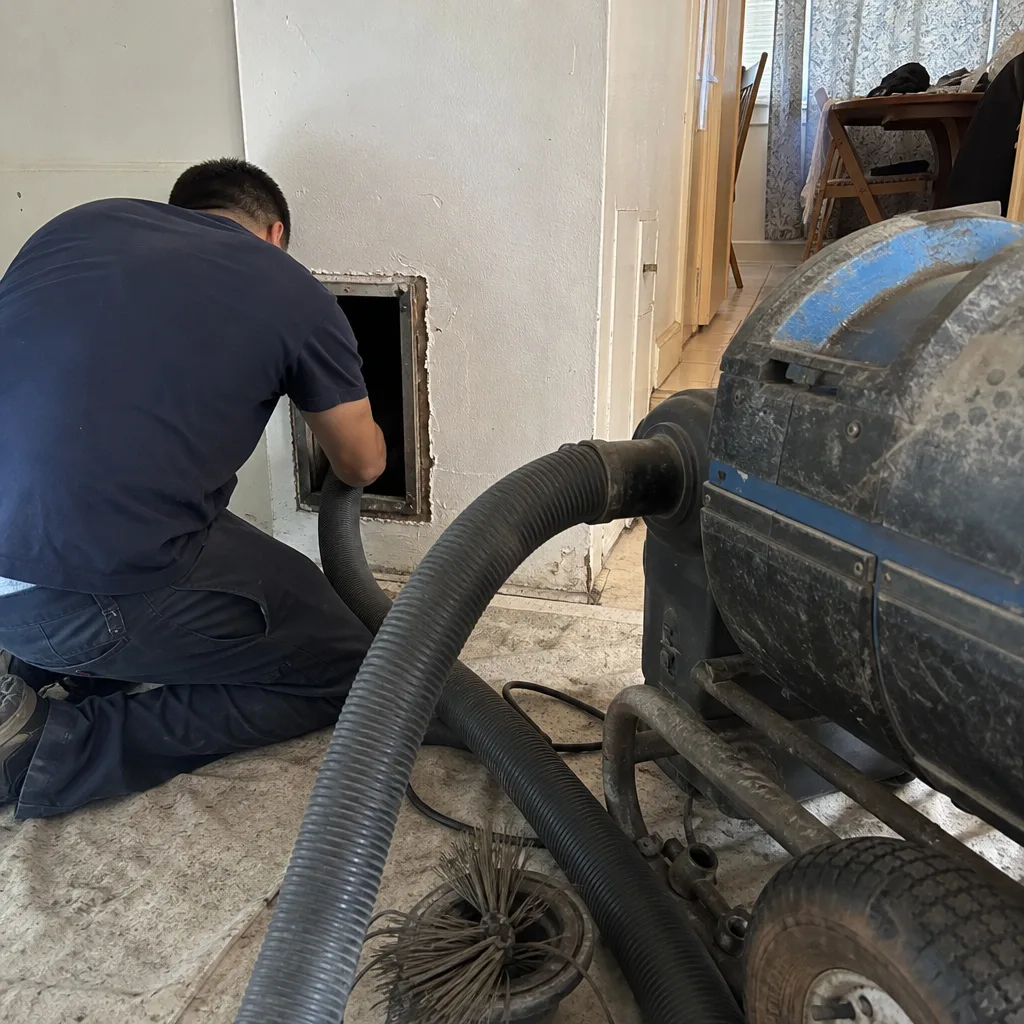 Before
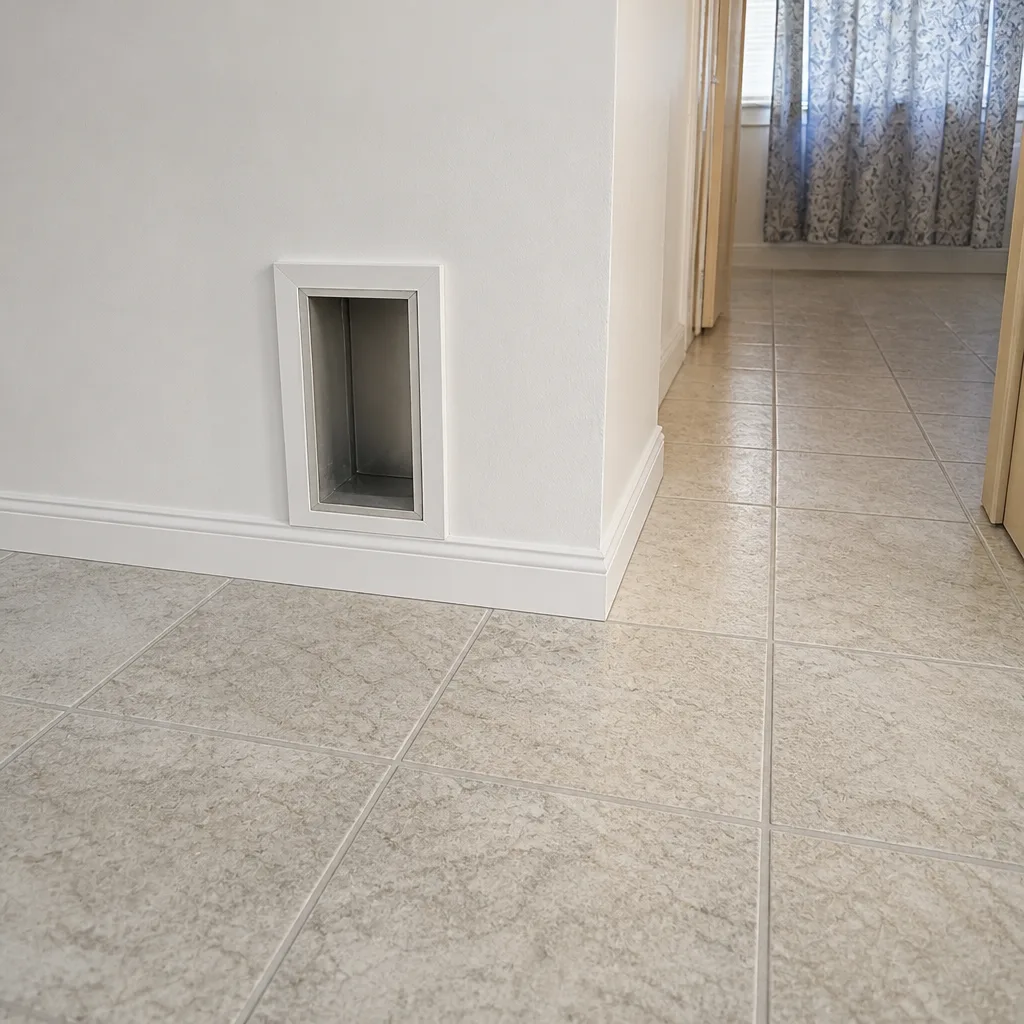 After