
Last updated November 4, 2026
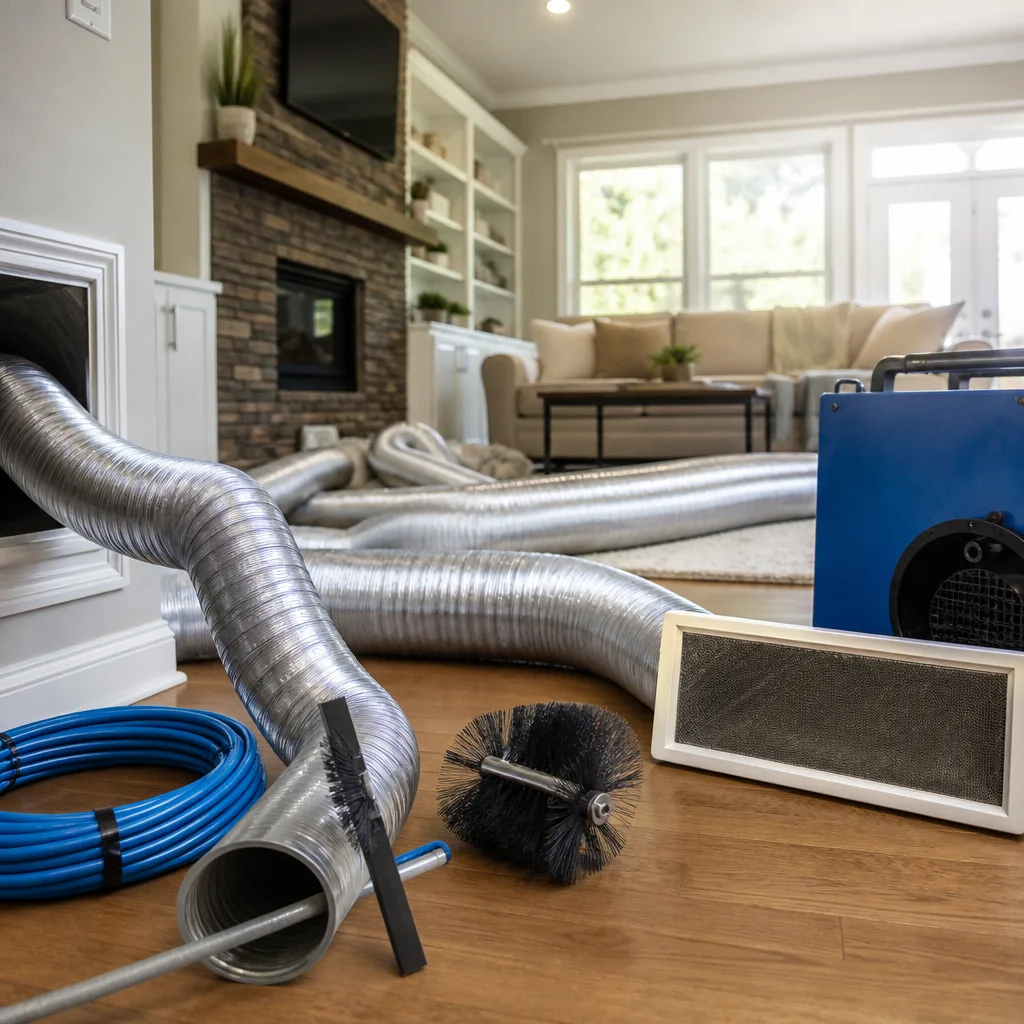 Whole-home duct cleaning
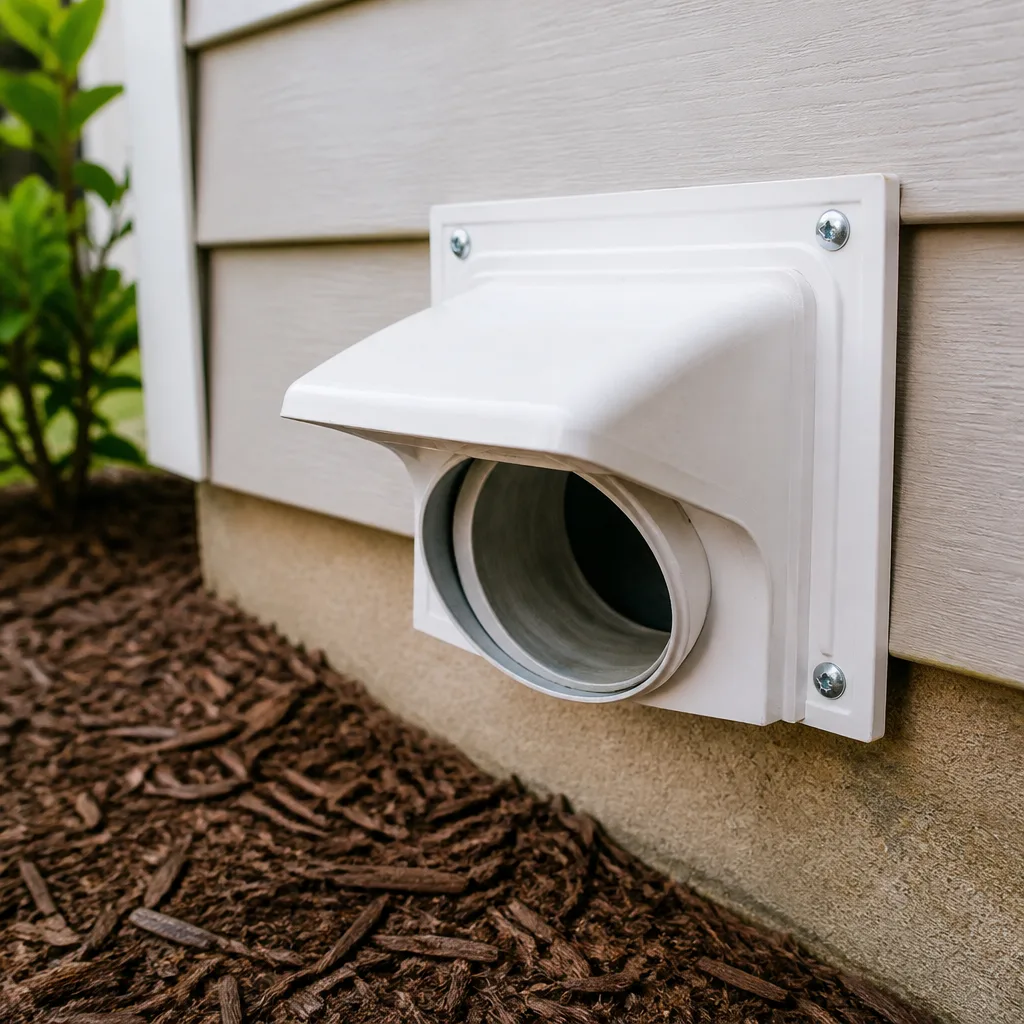 Dryer vent cleaning
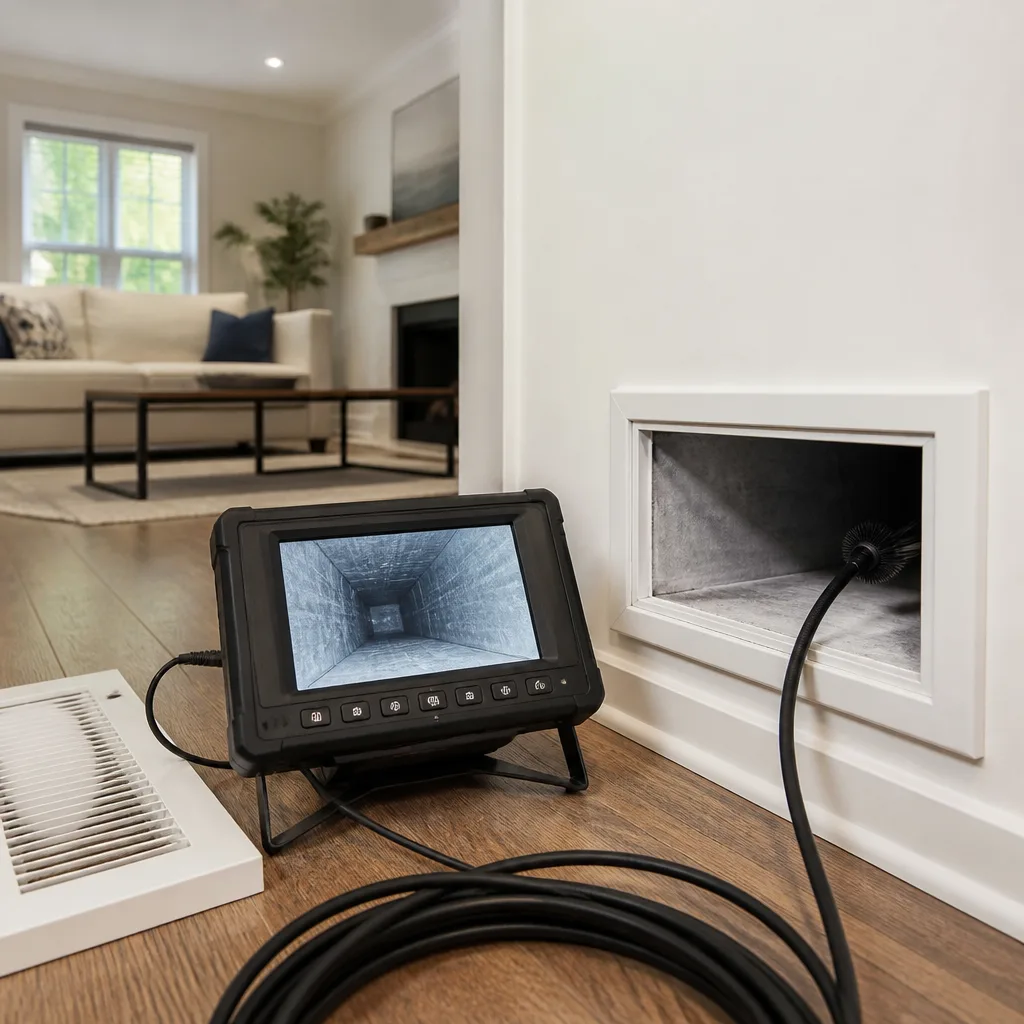 Camera inspection
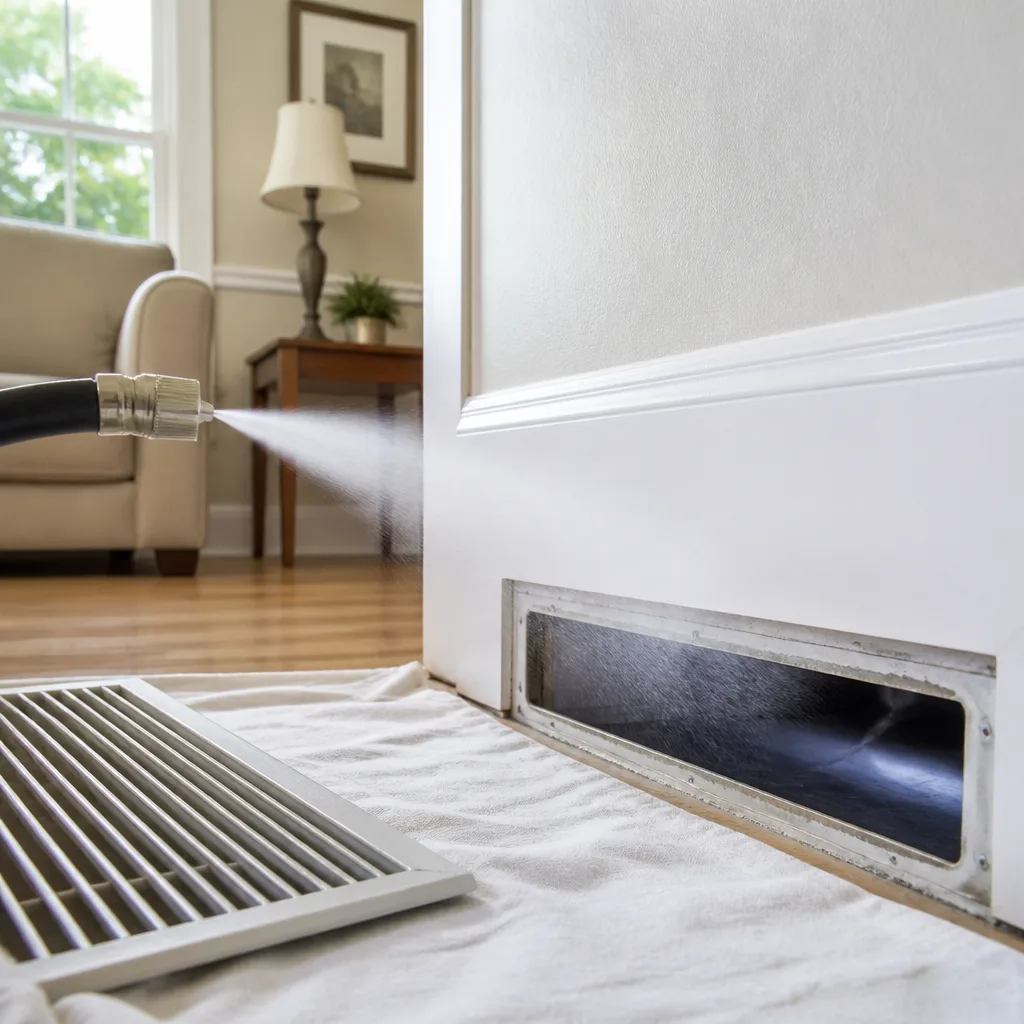 Sanitizing & deodorizing
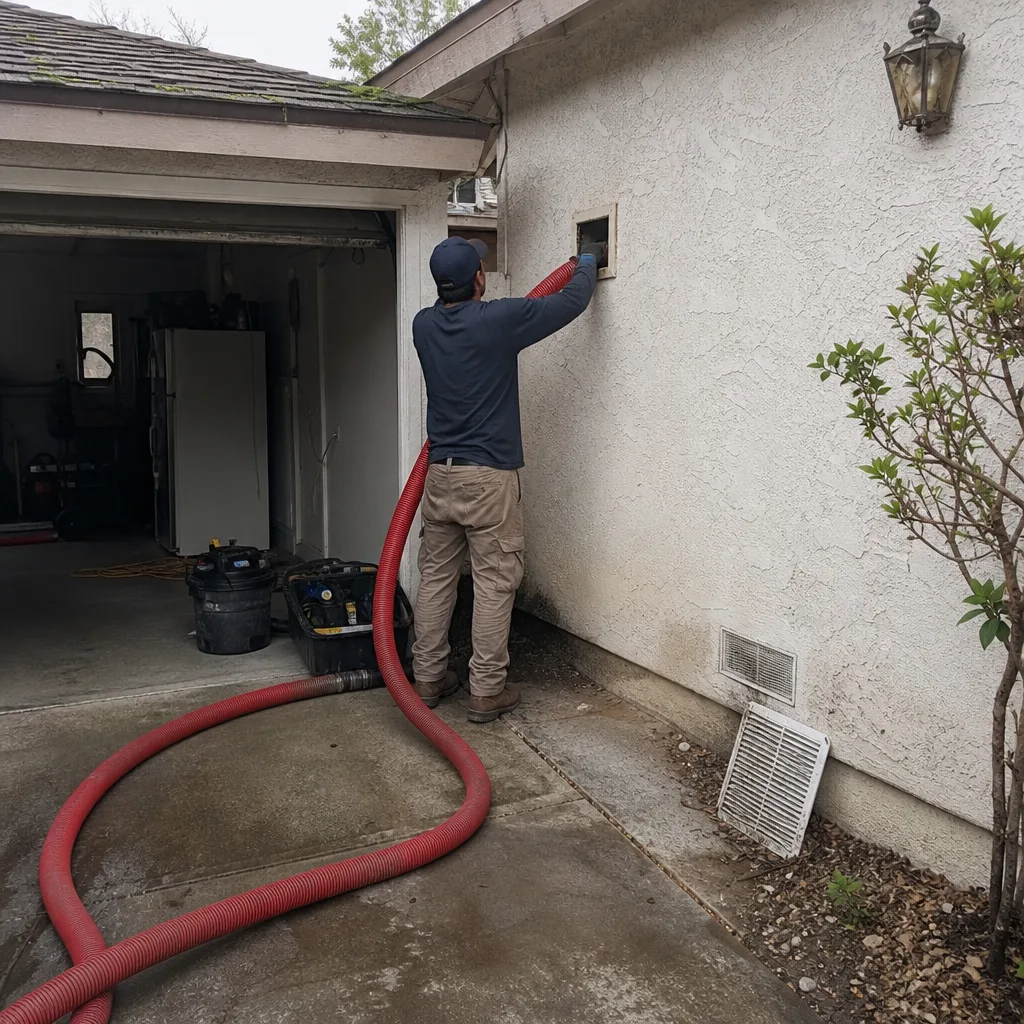
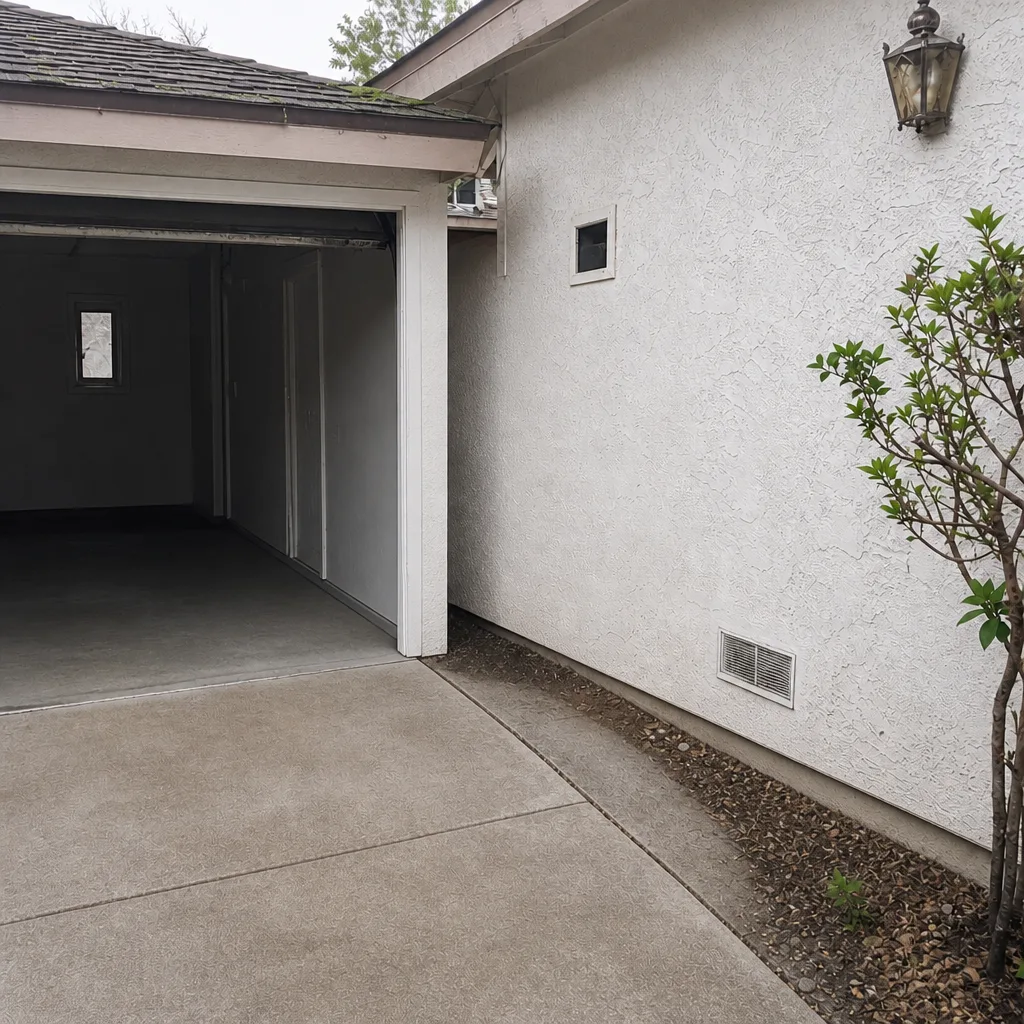
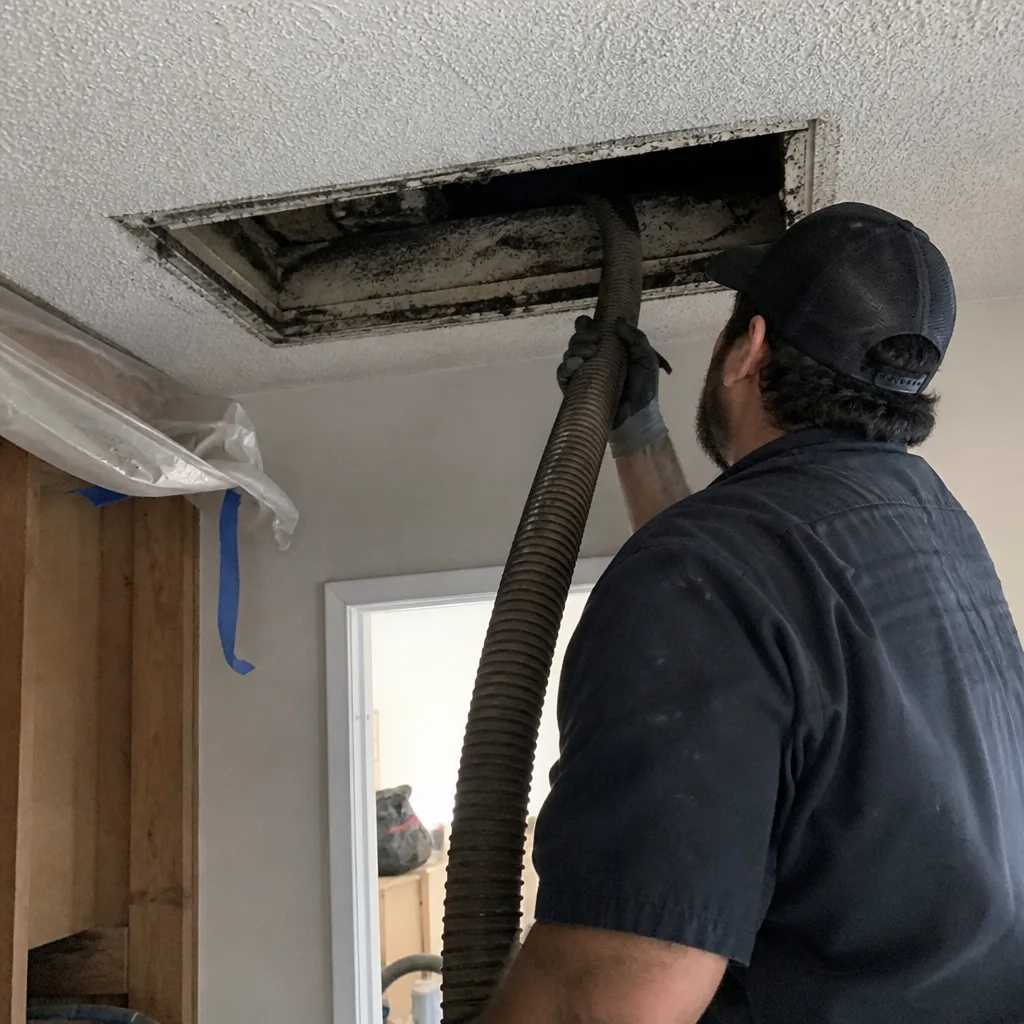
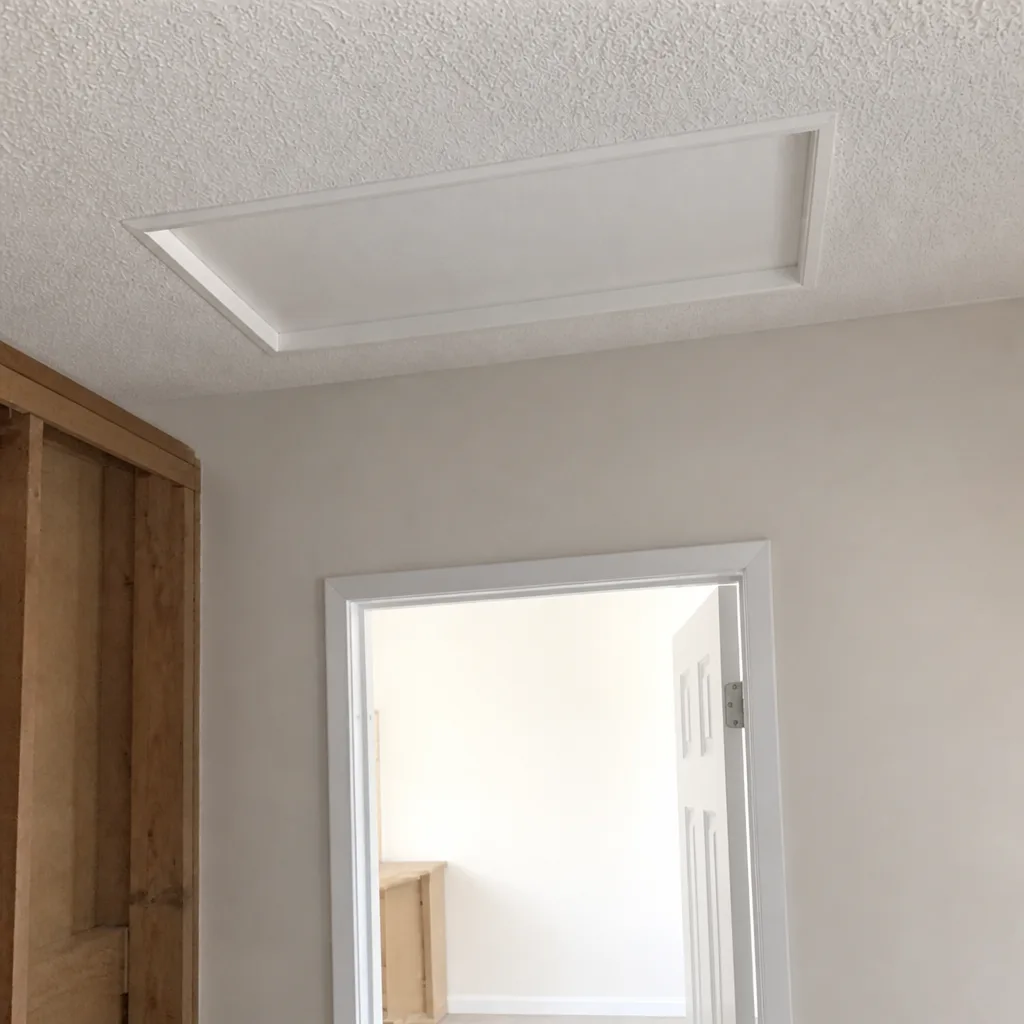
Whole-system duct and dryer vent check with before-and-after photos - you see exactly what came out of your vents
That "$99 whole-house special" is a bait ad - the real number appears once they are in your hallway, or the "clean" is a shop-vac at the register. We photograph the inside of your ducts before and after instead.
Choosing the Right Air Duct Cleaning Brand: A Buyer’s Guide for Upland
Most homeowners in Upland start the search for a duct cleaner by comparing star ratings and price quotes. That seems reasonable until you realize two companies can show up with wildly different outcomes despite identical reviews and estimates. The variable nobody asks about first is the equipment brand in the truck. Rotobrush, Nikro, and Abatement Technologies are not interchangeable names on a brochure. They represent three distinct engineering approaches to contaminant removal, and the difference between them determines whether your ducts get cleaned or merely vacuumed. This guide explains what those brands actually do mechanically, how to evaluate a contractor’s tool stack without sounding suspicious, and why the machines matter more than the logo on the van.
Styles & brands we work with
- Whole-home duct cleaning
- Dryer vent cleaning
- Camera inspection
- Sanitizing & deodorizing
Quick Answer
The right air duct cleaning brand for your Upland home isn’t a company name. It’s the equipment manufacturer behind the tools the technician deploys. Look for a contractor who runs Rotobrush or Nikro contact-brush systems paired with a HEPA-filtered negative-air unit rated at 2,000 CFM or higher, backed by Abatement Technologies containment equipment when mold or wildfire smoke is involved. That combination separates remediation-level cleaning from the surface-level work most residential crews offer.
Table of Contents
- What Rotobrush Systems Actually Do
- Why Nikro Negative-Air Machines Matter
- When Abatement Technologies Equipment Enters the Picture
- The CFM Number: The Single Most Important Spec to Ask About
- How to Ask a Contractor About Equipment Without Sounding Adversarial
- Why Equipment Brand Alone Isn’t Enough
- Common Mistakes to Avoid
- When to Call a Professional
- Frequently Asked Questions
What Rotobrush Systems Actually Do
Rotobrush is the name most Upland homeowners have heard, but few understand what the machine does differently from a standard vacuum. The system uses continuous-contact brushing: a rotating brush head physically scrubs the duct wall while a simultaneous vacuum extraction pulls loosened debris out of the airstream in the same pass. That combination matters because it prevents the contamination from simply resettling downstream. A vacuum-only approach removes loose dust but leaves the film of adhered particles that causes odor and ongoing allergy symptoms. The brush breaks that film. The integrated extraction removes it.
Why does this matter specifically for the inland climate around Upland? The Inland Empire’s dry, dusty conditions create a particular debris profile in residential duct systems. Fine particulate from the surrounding foothills works its way through window seals and HVAC returns, then binds to the thin layer of condensation that forms on duct surfaces during summer cooling cycles. After months of this cycle, you get a caked-on coating that vacuum-only equipment can’t dislodge. A contact-brush system is designed for exactly this condition. It’s one reason air duct cleaning results vary so dramatically between contractors using different equipment classes in the same city.
When you see a Rotobrush machine on a job site, you’re looking at equipment originally designed for commercial and remediation settings, not a consumer-grade shop vacuum with a hose attachment. The rotating agitation is mechanical and repeatable. It doesn’t rely on air pressure alone to do the work. That distinction is the same one that separates a professional carpet extractor from a rental machine at the grocery store. Both spray water. Only one removes what’s actually embedded in the fibers.
Why Nikro Negative-Air Machines Matter
Nikro is the brand most residential customers haven’t heard of, and that’s telling. Nikro builds negative-air machines and HEPA-filtered vacuum systems for professional duct cleaning contractors and indoor air quality specialists. The key phrase here is negative air. A proper duct cleaning job doesn’t just push a brush through the system. It establishes negative pressure inside the ductwork so that dislodged particles are pulled toward the vacuum source rather than pushed out through supply registers into your living space. That’s what a Nikro negative-air unit does. It creates directional airflow that contains the work.
The specification to look at on any Nikro machine is the CFM rating of the vacuum unit. CFM stands for cubic feet per minute, and it measures how much air the machine moves. Higher CFM means stronger negative pressure at the point of agitation. It means the machine can capture debris faster than the brush can kick it up. When CFM is too low, the brush works faster than the vacuum can collect, and you end up with dust settling back into the duct before the job is done. That’s not inefficiency. That’s incomplete cleaning presented as a finished job.
Nikro units also run HEPA filtration on the exhaust side. That matters because the machine isn’t just collecting debris. It’s exhausting air back into your home during the cleaning process. If the exhaust isn’t filtered to HEPA standard, you’re essentially aerosolizing whatever was in your ducts and pumping it back into the rooms you’re trying to improve. A HEPA-filtered exhaust means the air leaving the machine is cleaner than the air that entered it. That’s a mechanical fact, not a marketing claim. It’s also why Duct Cleaning Upland runs Nikro equipment rather than whatever the local rental yard has in stock.
When Abatement Technologies Equipment Enters the Picture
Abatement Technologies is the brand homeowners rarely encounter unless a job crosses from routine cleaning into indoor air quality remediation. The company builds containment systems and HEPA air scrubbers used in hospital construction, mold remediation, and post-fire recovery work. Their equipment creates negative-air containment zones: sealed areas where air pressure is kept lower than the surrounding rooms so contaminants can’t migrate during the work. For most routine duct cleaning jobs, this level of containment isn’t necessary. But in two scenarios common to the Inland Empire, it changes the entire scope.
The first scenario is mold-adjacent duct contamination. When visible microbial growth is suspected inside ductwork, agitating that surface without containment sends spores throughout the building envelope. A contractor who understands remediation protocols will set up Abatement Technologies negative-air containment before touching the affected area, scrub the occupied space with HEPA air scrubbers during the work, and only then clean the ducts themselves. The equipment brand matters here because Abatement gear is engineered for exactly this containment function. General-purpose equipment isn’t.
The second scenario is post-wildfire smoke remediation. Upland sits east of wildfire-prone terrain, and when smoke settles over the city, the fine particulate infiltrates duct systems throughout the region. Smoke residue behaves differently than household dust. It’s finer, stickier, and more likely to carry odor compounds. Cleaning smoke-affected ducts properly requires HEPA air scrubbing of the occupied space as part of the protocol, not just a pass through the ductwork. Abatement Technologies equipment is the standard for this type of serious indoor air quality work. It’s the difference between removing what you can see and removing what’s actually circulating.
The CFM Number: The Single Most Important Spec to Ask About
If you remember one number from this guide, make it the CFM rating on the negative-air unit. We’ve already covered what CFM measures. Here’s how to apply it when evaluating any Upland duct cleaning contractor. Professional-grade negative-air machines in the Nikro line typically run at 2,000 CFM or higher for residential duct systems. Machines below that threshold, especially the portable units sold for home use, can’t maintain adequate negative pressure through a full residential duct run. They work fine for a single vent. They fail on a whole system.
Here’s a simple checklist to run through when a contractor describes their equipment:
- Ask the CFM rating directly. A professional answer is a number. A vague answer is a red flag. “It’s a commercial machine” isn’t a spec.
- Verify the filtration standard. Ask whether the vacuum exhaust runs through HEPA filtration. If the answer isn’t yes, particles are being returned to your air during the job.
- Confirm the agitation method. Contact brush or air whip? Contact brush means mechanical scrubbing. Air whip means compressed air agitation that can actually push debris deeper if negative pressure isn’t properly established.
- Ask about containment procedures. What happens to dust that escapes during register sealing and setup? A professional answer involves containment controls, not “we clean up after.”
These questions take two minutes on the phone. They reveal more about a contractor’s actual capability than a hundred reviews can. Reviews tell you whether the customer felt good about the service. These questions tell you whether the work was actually performed correctly.
How to Ask a Contractor About Equipment Without Sounding Adversarial
You’re not auditing anyone. You’re doing due diligence on a service that affects the air you breathe. The contractors worth hiring will welcome these questions. The ones who get defensive are telling you something you need to know. Here’s how to phrase the conversation naturally when a contractor comes out to estimate:
- “What negative-air CFM rating does your equipment run at?” This is the single most revealing question. A professional knows the spec immediately.
- “Do you use a contact brush or an air-whip system?” This tells you whether they’re doing mechanical cleaning or air-pressure cleaning. Both have proponents, but for the dust profile common in Inland Empire homes, contact brush is the stronger method.
- “Is your vacuum exhaust HEPA-filtered?” This protects your indoor air during the job itself. There’s no acceptable “no” to this question.
- “How do you seal registers and establish negative pressure before cleaning starts?” This reveals whether they follow a real protocol or just start running the machine. Sealing and pressure establishment determine whether the expensive equipment actually delivers its potential.
The goal isn’t to interrogate anyone. It’s to confirm you’re hiring someone who can explain what they do and why. Contractors who run Rotobrush, Nikro, or Abatement Technologies equipment can answer every one of these questions without hesitation. That’s exactly why the brand behind the equipment matters. It correlates with operator competence because serious equipment manufacturers train their certified operators. No manufacturer wants a hack running their machines and producing bad results that damage the brand.
Why Equipment Brand Alone Isn’t Enough
This is the section that keeps this guide honest. Equipment brand is a strong correlating signal, but it’s not a guarantee. A Rotobrush machine in the hands of an untrained operator produces worse results than a consumer-grade vacuum in the hands of a careful one. The machine amplifies the operator. It doesn’t replace them. Here’s what to verify beyond the brand name:
Job setup. A proper duct cleaning job begins before the machine turns on. Registers are sealed. Return and supply plenums are accessed correctly. Negative pressure is established and verified. The zone is isolated so that dislodged contaminants go toward the vacuum, not toward your sofa. Skip any of these steps and the best equipment on the market becomes a very expensive way to move dust around.
Operator protocol. How does the technician work through the system? Do they clean supply and return ducts separately? Do they access from both ends of the duct run? Do they do a visual inspection before and after? These process details matter more than the decal on the machine. In our experience across Upland homes, the difference between a thorough cleaning and a superficial one shows up in the process, not just the equipment.
Post-cleaning verification. A professional job ends with the homeowner seeing what was removed and what the duct interior looks like afterward. If the contractor doesn’t offer visual verification, ask why. You can’t judge what you can’t see, and a contractor who relies on “trust us” is asking you to accept an unverifiable outcome. That’s the core problem with the discount duct cleaning industry in the first place.
The full-system approach extends beyond the cleaning visit. That’s why the company runs dryer vent cleaning as a dedicated service, not an afterthought upsell. A dryer vent clogged with lint is a fire hazard that duct cleaning doesn’t address. It requires its own tools, its own protocol, and its own standard of thoroughness. The same goes for air duct repair: structural gaps and leaks are the job behind the job for many homes in Upland. Cleaning addresses what’s inside the ducts. Repair addresses how contamination gets in and conditioned air gets out.
Common Mistakes to Avoid
- Picking the lowest quote without asking about the tool stack. A cheap operator running a portable vacuum is cheap because the equipment is cheap and the process is incomplete. The price feels good on the invoice and bad in the air quality.
- Assuming all duct cleaning is the same. A company that runs Rotobrush or Nikro equipment with proper negative-air protocol is doing a different service than a company running a rented machine. The difference shows up in the debris that stays behind.
- Skipping the dryer vent because “the ducts cover it.” They don’t. Dryer vents need their own cleaning with appropriate tools. Lint accumulates at concentrations that become a residential fire risk, which is why dedicated dryer vent cleaning exists as a service.
- Ignoring structural duct problems. Clean ducts with leaky seams are still losing conditioned air and pulling in attic dust from the Upland foothills. If a contractor cleans but doesn’t identify gaps, you’ve paid for half a solution. Air duct repair exists because cleaning alone can’t fix what’s structurally wrong.
- Treating HEPA filtration as optional. If the vacuum exhaust isn’t HEPA-filtered, the machine is returning contaminants to your air during the job. That’s not a detail. That’s the entire point of the service.
- Not considering ongoing filtration. Clean ducts are a moment in time. Honeywell and Aprilaire whole-home filtration systems are the plan that keeps them clean. A contractor who only cleans and never addresses filtration is giving you a maintenance cycle, not a solution.
- Hiring a generalist. HVAC companies run service calls. Handymen do small repairs. Duct cleaning is a specialist trade with its own equipment and its own standards. In Upland, the homeowners who get the best results are the ones who hire the specialist.
When to Call a Professional
Some conditions make professional equipment necessary rather than preferable. If you can see dust accumulating on surfaces within days of cleaning, your ducts are likely contaminated and need mechanical agitation. If allergy symptoms spike when the HVAC runs, you’re getting exposure through the system. If you smell musty odors only when the air turns on, the odor source is in the ductwork. If you’ve never had a dryer vent cleaned and the dryer takes longer than one cycle to dry clothes, the airflow restriction is already present. These conditions don’t respond to DIY efforts. They respond to the right equipment in trained hands. Duct Cleaning Upland offers free estimates in Upland. Call (855) 382-4830 to schedule a walkthrough, and we’ll bring the equipment spec sheet so you can see exactly what you’re getting before work starts.
Frequently Asked Questions
A professional negative-air unit for residential duct cleaning should be rated at 2,000 CFM or higher. This airflow capacity allows the vacuum to maintain negative pressure throughout a full duct run while the agitation tool dislodges debris. Units below that threshold struggle on whole-home systems and leave fine particulate behind. Always ask the CFM number directly when comparing contractors in the Upland area.
Rotobrush is better for the specific purpose of contact-agitation cleaning because the rotating brush mechanically scrubs the duct surface while simultaneous vacuum extraction removes dislodged material in the same pass. Generic vacuum equipment relies on suction alone, which misses the adhered film of dust that causes odors and allergy symptoms. The mechanical action is the difference.
Equipment brand matters because it identifies the engineering approach the contractor uses. Rotobrush uses continuous-contact brushing. Nikro provides high-CFM negative-air machines with HEPA exhaust. Abatement Technologies supplies containment and air scrubbing systems for mold and smoke remediation. These are distinct methods with different outcomes. A brand-name machine in trained hands delivers that engineering. A generic machine doesn’t have it to deliver.
Ask for visual verification before and after the cleaning. A professional will show you the duct interior through access points, review what the vacuum captured, and walk you through the work performed. If a contractor won’t show you the results, treat that as a disclosure problem. In the Upland market, reputable operators provide before-and-after documentation as standard practice.
Mold in ducts requires a different protocol than routine cleaning. Standard agitation can spread spores through the building envelope if containment isn’t established first. Mold-adjacent work should involve negative-air containment and HEPA air scrubbing of the occupied space, which is why Abatement Technologies equipment gets used when microbial contamination is suspected. It’s remediation work, not maintenance.
Air duct cleaning in Upland typically runs by the project rather than by the hour, with pricing reflecting the size of the system, the degree of contamination, and whether structural repair or dryer vent cleaning is included. The estimate should be free and the written quote sets the final price before work starts. Call (855) 382-4830 for an exact quote on your home’s system, and the written estimate is yours before any commitment.
The Bottom Line
The brand that matters in air duct cleaning is the equipment manufacturer behind the tools in the truck, not the logo on the van. Rotobrush brings mechanical contact-brush agitation that removes adhered contamination from Inland Empire dust profiles. Nikro delivers the high-CFM negative-air power and HEPA exhaust filtration that keeps dislodged debris contained. Abatement Technologies enters when mold or smoke makes containment part of the job. Ask about CFM ratings, filtration standards, and agitation methods before you ask about price. The contractor who can answer those questions is the contractor worth hiring in Upland. The team that can’t answer them has already told you everything you need to know.
Written by the team at Duct Cleaning Upland, serving Upland since 2012.
See the difference
 Before
 After
 Before
 After
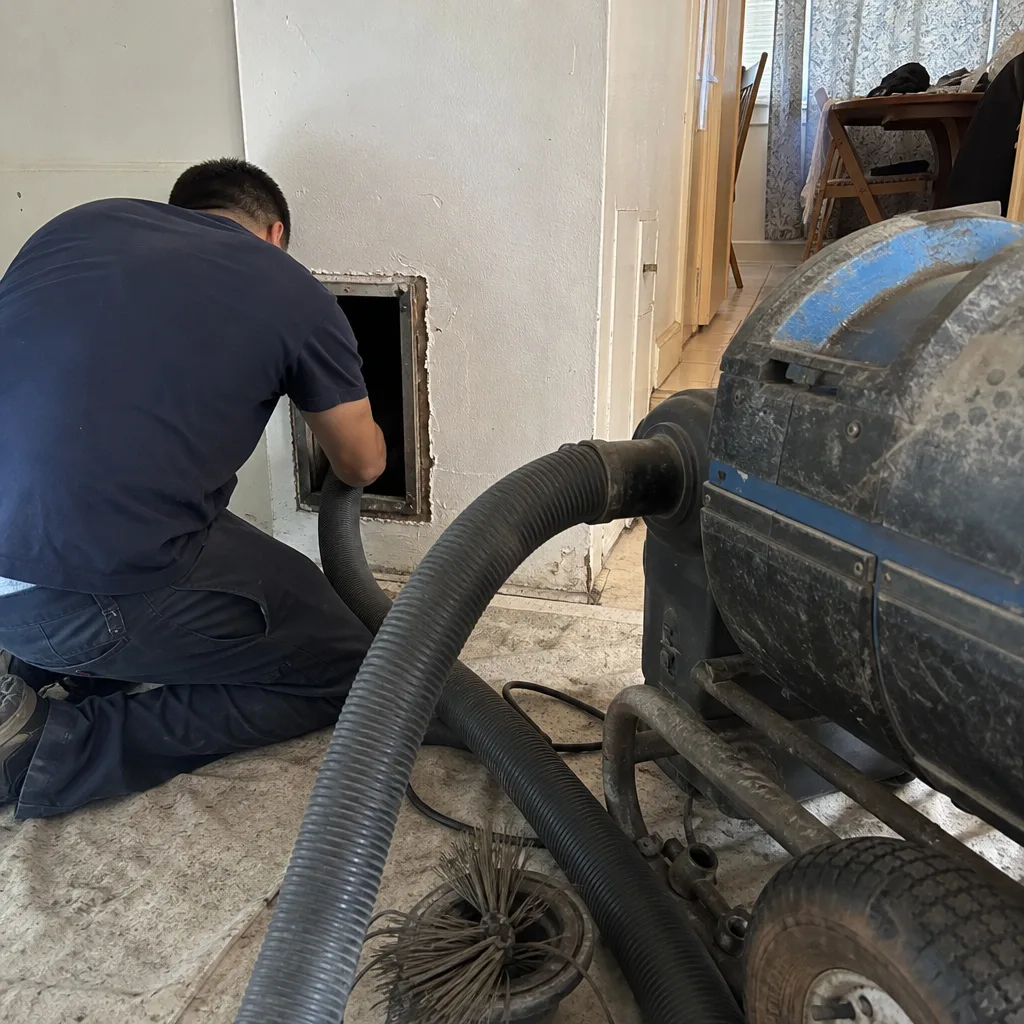 Before
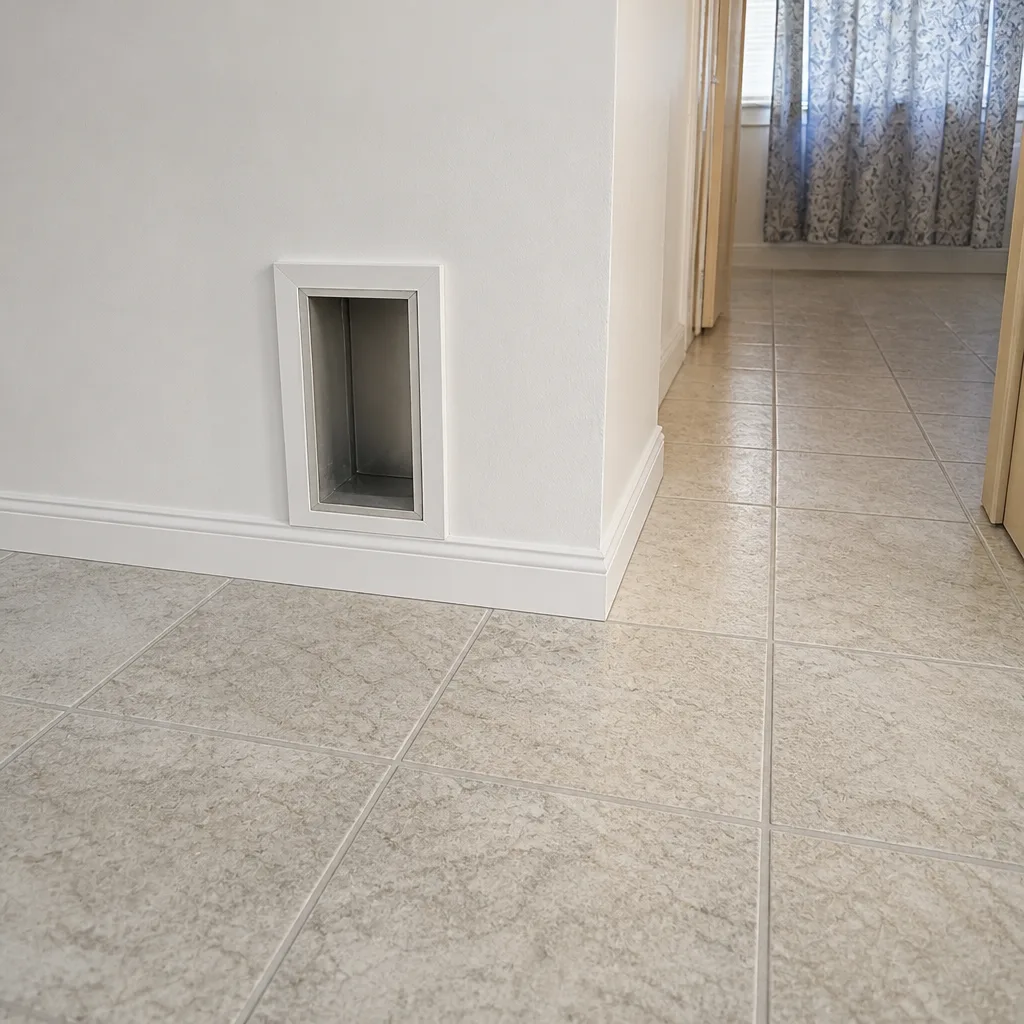 After